Stay in the loop
Occasional updates on prairie birding, new posts, and community happenings.
No spam, ever. Unsubscribe anytime.
The kingbirds of my farm
On my Alberta farm, kingbirds arrive with the first settled warmth of late May. They favour the open country around the yard, where grass, crop edges and shelterbelts create a patchwork of insect-rich habitat.
Most mornings, I scan wires, fence posts and the low ridge behind the pasture before finding a pale, upright shape. The view is brief, yet it establishes a reliable rhythm: perch, scan, dart, return.
A patient search along the fence
Finding them begins with patience rather than a long drive. I check the yard after turning the horses out, then work along the fence line where grasshoppers and beetles are easiest to spot in the open.
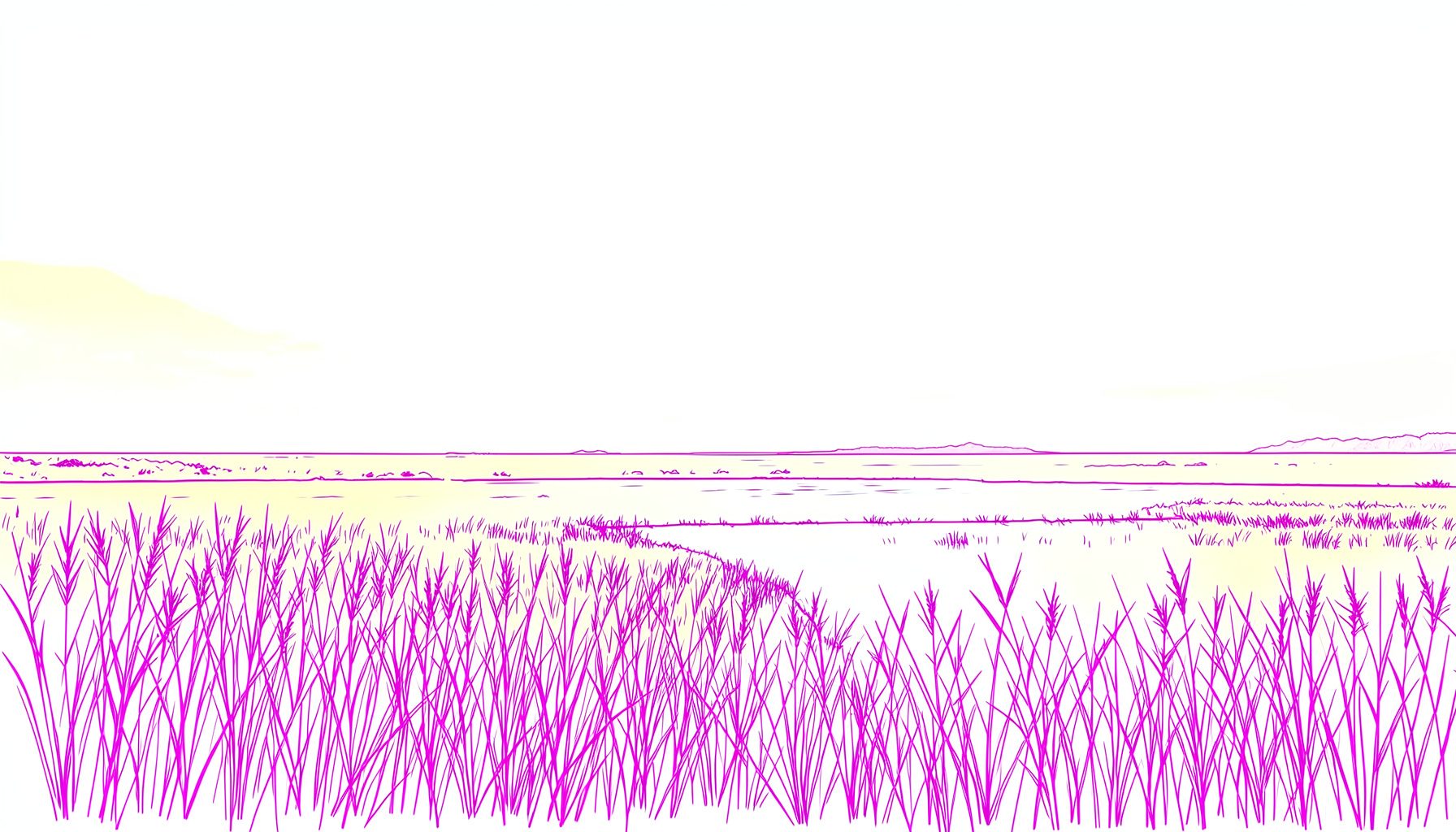
The same edge supports a broader wetland community, as my notes on prairie night herons describe birds that wait quietly between grass and water. Their hunched stillness contrasts with the restless, upright activity of a kingbird.
Once one bird appears, another often follows. They may occupy separate posts while sharing a hunting area, their forked tails and sharp calls making them easy to distinguish from the wrens and sparrows gathered around the gates.
Distinguishing the two kingbirds
Western Kingbird is the species I encounter most often on the farm. It shows a pale grey head and breast, a yellowish lower belly, dark wings and a mostly blackish tail with pale outer feathers. Perched against a blue sky, it can look almost silvery.
Eastern Kingbird is darker above, with a clean white belly and a conspicuous white band across the end of the tail. In flight, both species show the upright posture and broad, triangular wings that give tyrant flycatchers their distinctive silhouette.
For Australian readers, kingbird can cause a naming detour: Sacred Kingfisher, Australian Kingfisher and Buff-breasted Paradise Kingfisher are not close relatives. Willie Wagtail offers a closer behavioural comparison, combining open-ground insect hunting with bold defence of favoured perches.
The farm as a hunting ground
Most feeding happens over short grass beside the pasture rather than inside the shelterbelts. A kingbird waits on a post, follows a beetle or moth, drops into the insects and returns to nearly the same elevated position.
Fence posts and utility wires provide clear flight paths. Windbreaks offer protection, while cattle keep vegetation from becoming too dense. These open edges are especially productive during dry periods, when insects concentrate near patches of surviving greenery.
That dependence on clear edges carries across the Prairies. On trips through southern Saskatchewan and Manitoba, I have found the same association between kingbirds, farmland shelterbelts and uncultivated margins beside roads and wetlands.
Reading calls and body language
The clearest sign of a kingbird is often its voice before it is visible. A repeated rasping note carries over the yard, followed by a sharper call when another bird enters its airspace. The sound changes with agitation.
From the truck, I can watch a bird pivot on a wire, spread its tail and sally after an insect. It often returns to the same perch, pumps its tail and scans from side to side before trying again.
Longer observations reveal territorial behaviour. A kingbird may chase a swallow or another flycatcher well beyond its original post. On a cold morning, when insects are scarce, each bird works methodically along one section of fence before moving to the next.
A field notebook for Australian birders
A useful record should capture more than a distant silhouette. I note the date, weather, perch type, direction of flight and the field edge where the bird appeared.
Useful field marks include:
- upright posture on a wire or post
- pale grey upperparts in Western Kingbird
- a white terminal tail band in Eastern Kingbird
- repeated insect-catching sallies
Equipment can remain simple:
- binoculars with close focusing
- spare batteries for cold mornings
- a notebook and weatherproof pencil
- water and a high-visibility vest
Melbourne’s Royal Botanic Gardens and Sydney’s Centennial Park offer entirely different bird lists, but both reward the same careful scanning. Many Australian birders keep a life list or use apps such as eBird, making a clear description and an approximate date especially valuable.
Australian outdoor retailers carry compact field guides suited to gloveboxes and day packs, while BirdLife Australia and the Australian Bird Study Association connect birders with regional expertise. On country trips, practical knowledge still matters: allow for long distances and road trains, pull well off the road when stopping, and leave farm gates as you found them.
Planning the next survey
My records show that kingbird activity is highest between the first light and mid-morning, especially when winds are light. I also note whether the birds use the same fence posts throughout the day or shift toward sheltered edges as temperatures rise.
Tomorrow’s plan is fixed: I will open the eastern gate at 05:30, walk to the old loading ramp, and record every kingbird seen before 07:00.
// Latest Posts
Birding News #95 — Holiday Edition
December 2014

Tofield Snow Goose Chase
April 2016
Alberta Bird Lists →
Annual species lists from 2011 through 2018, tracking every bird spotted across the province.
Bird Conservation →
Citizen science projects, the Great Canadian Birdathon, and the WildResearch Alberta Nightjar Survey.
Birding Events →
Coverage of the Tofield Snow Goose Chase, Young Naturalists' Corner, and community gatherings.
Young Birder Resources →
Christmas Bird Count guides, CBC4Kids materials, and resources for new birders of all ages.
Explore the site
Whether you're looking for detailed Alberta species records, tips on bird identification, or news from the birding community, there's something here for every prairie bird enthusiast.
The Alberta Birds section archives year-by-year species counts — from 131 species in 2011 to a high of 175 in 2015. The Conservation category covers volunteer surveys and citizen science opportunities. Events highlights community involvement, and the Resources section is built especially for young birders getting started.
Check out the Birding News series for curated links and stories, or browse book reviews covering field guides and prairie birding literature from publishers like Greystone Books.