Stay in the loop
Occasional updates on prairie birding, new posts, and community happenings.
No spam, ever. Unsubscribe anytime.
Common ducks of the prairie pothole region
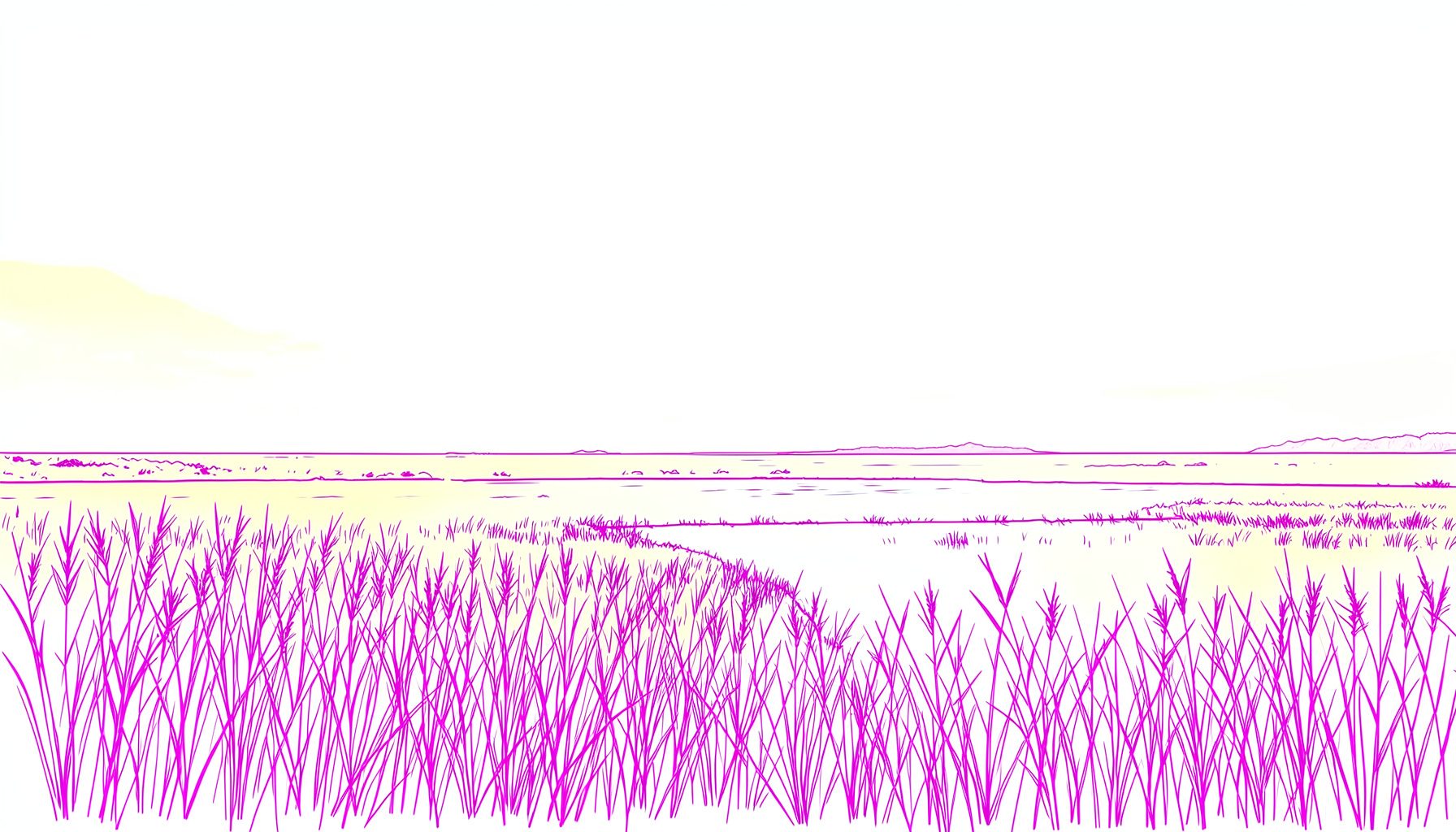
The prairie pothole region spans much of Alberta, Saskatchewan and Manitoba, extending into prairie lands in the United States. Its shallow wetlands, crop margins and shelterbelts form a vast meeting place for migratory ducks, with common species often most visible in mixed flocks.
Most prairie ducks fall into two broad feeding groups. Dabbling ducks tip for plants at the surface, while diving ducks submerge for aquatic vegetation and invertebrates. Learning that division, then checking bills, wing patterns and tails, provides a strong basis for identification.
Prairie potholes and the duck habitat
Potholes are shallow depressions shaped by glacial action, then modified by meltwater, drainage and accumulated organic matter. Across cropland, they create a mosaic of open water, rushes, sedges and grassy edges. The Frank Lake area in Alberta, Last Mountain Lake in Saskatchewan and Souris River wetlands in southern Manitoba show how this mosaic supports seasonal duck concentrations.
Water levels dictate each wetland's value. Spring melt can expose a broad feeding area, while summer drawdown concentrates fish, insects and plants in smaller pools. Ducks often rest along grassy margins before moving into nearby fields to graze. Australian birders from the Coorong, Murray-Darling floodplains or farm dams will recognise the appeal, although prairie potholes can change dramatically within one season.
Mallards, pintails and gadwalls
Mallards are abundant and familiar, with drakes showing a glossy green head, grey body, white neck ring and curled black tail feathers; females are mottled brown with an orange-edged bill. This familiarity may mislead Australian visitors, because introduced mallards are also common around southeastern waterways.
Northern pintail drakes are more elegant, with chocolate-brown heads, white breast stripes, slender grey bodies and long, pointed tails. They often graze in stubble fields and rest on open water. Gadwall drakes are subtler: finely patterned grey plumage, a black rear end and a conspicuous white wing patch can be seen in a distant flock.
Females and eclipse-plumaged males add useful challenges. A female pintail has a plain brown head and relatively long neck, while a female gadwall shows a darker, orange-edged bill. Wing patterns seen in flight, especially the white secondary stripe of pintails, are often more reliable than colour alone.
Wigeon and two teal species
American wigeon drakes have a pale forehead, green patch behind the eye and a creamy breast; females are grey-brown with a dark smudge around the eye. They often graze on grass near water, sometimes joining mallards and pintails in the same field. Australasian birders should not confuse this species with the Australasian wigeon found across many Australian wetlands.
Green-winged teal is compact, with a chestnut head, green eye stripe and horizontal white shoulder mark on the drake. Blue-winged teal is more contrastingly marked, showing powder-blue wing panels and a bold white crescent near the bill. Blue-winged teal may nest in prairie grasslands, so scanning fields can be as productive as scanning water.
Shovelers and deeper-water ducks
Northern shoveler drakes have an iridescent green head and an enormous, broad-tipped bill, useful even at a distance. Females are mottled brown, and both sexes shovel through shallow mud for invertebrates, sometimes making the water appear to churn.
Diving ducks include lesser scaup, redhead and canvasback. Drakes generally have dark heads and pale bodies, but shape helps: scaup have rounded heads, redheads a peaked crown and canvasbacks a long, sloping forehead. They dive more often than dabblers and favour deeper, open pools.
Timing the prairie migration
Prime spring viewing arrives as southern wetlands open: roughly March to May in southern Alberta and Saskatchewan, later farther north. Cold fronts can produce dramatic arrivals, making recent water and weather reports more useful than a fixed date.
By early summer, pairs seek nest cover in rushes, cattails, wheat fields and nearby brush. Ducklings may appear along protected channels, while local birders monitor water levels and access. A second broad movement occurs from August into early October as northern birds gather before travelling south.
For Australians, the timing sits within the familiar Australian spring birding season, though it reverses the northern-hemisphere pattern. In Australian birding circles, silly season can describe the period of territorial and breeding displays. Before booking a prairie trip, check birding events for festivals, workshops and guided walks that may coincide with peak arrivals.
A practical checklist for prairie duckwatching
Use a waterfowl field guide, then confirm uncertain birds with photographs and several field marks rather than one feature.
- Plan around the March-to-May and August-to-October migration windows, but keep dates flexible because wind and cold fronts can shift arrivals.
- Practise identifying the long-tailed pintail, broad-billed shoveler, pale-headed wigeon and both teal before travelling.
- Carry 8x42 binoculars, a compact spotting scope, warm layers, water and insect repellent; calm mornings offer the best views.
- Use established paths and viewing areas, keep dogs under control, avoid nesting vegetation and never feed ducks bread.
Many Australians encounter birds through BirdLife Australia affiliates, the Christmas Bird Count, specialist guidebooks, community outings and paid wetland tours. The prairie birding market has a similar mix, although its workshops and festivals often focus on migration, photography or regional species rather than one reserve.
The memory that should remain
Conservation context matters because prairie potholes have been drained, enlarged or isolated by agricultural development. Healthy wetlands do more than hold ducks: they store water, filter nutrients and provide refuge during drought. Keeping birds undisturbed also protects breeding evidence needed to understand population changes.
Australian readers may first notice mallards and wigeon, but the prairie rewards attention to movement and scale: one pothole can hold hundreds of migrants, then nearly empty within weeks. The lasting memory should be of a living wetland calendar, where every arriving drake, feeding teal and resting diver marks a season of travel, breeding and survival.
// Latest Posts
Birding News #95 — Holiday Edition
December 2014
Tofield Snow Goose Chase
April 2016
Alberta Bird Lists →
Annual species lists from 2011 through 2018, tracking every bird spotted across the province.
Bird Conservation →
Citizen science projects, the Great Canadian Birdathon, and the WildResearch Alberta Nightjar Survey.
Birding Events →
Coverage of the Tofield Snow Goose Chase, Young Naturalists' Corner, and community gatherings.
Young Birder Resources →
Christmas Bird Count guides, CBC4Kids materials, and resources for new birders of all ages.
Explore the site
Whether you're looking for detailed Alberta species records, tips on bird identification, or news from the birding community, there's something here for every prairie bird enthusiast.
The Alberta Birds section archives year-by-year species counts — from 131 species in 2011 to a high of 175 in 2015. The Conservation category covers volunteer surveys and citizen science opportunities. Events highlights community involvement, and the Resources section is built especially for young birders getting started.
Check out the Birding News series for curated links and stories, or browse book reviews covering field guides and prairie birding literature from publishers like Greystone Books.