Stay in the loop
Occasional updates on prairie birding, new posts, and community happenings.
No spam, ever. Unsubscribe anytime.
The morning chorus on a prairie spring
Before sunrise on my farm near Red Deer, Alberta, wind is often the first sound I notice. It combs through the grass, rattles the fence wires and hides softer notes rising from a wet meadow. The kettle is barely warm when the first birds begin.
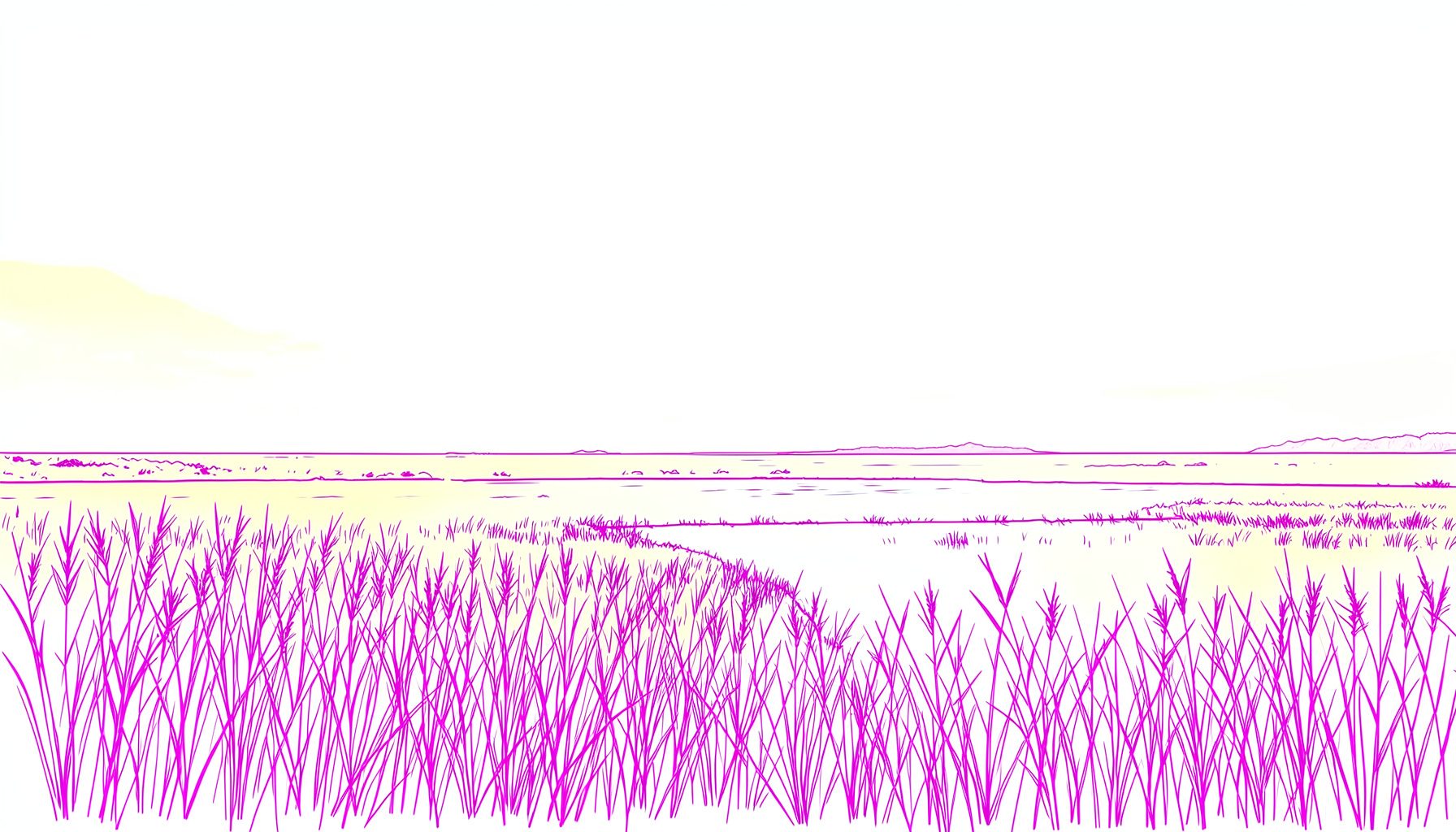
The morning chorus on a prairie spring is a shifting border between night and day, not one tidy performance. A grouse booms from a ridge, a meadowlark calls from a fence post and a wren works through a thicket. Each voice seems to claim a small patch of country.
Dawn arrives quickly here. A clear horizon brightens within minutes, leaving little time for the slower singers, while cloud and frost stretch the performance. On cold mornings I listen for pauses between calls; on windy mornings I use those gaps to work out which bird is still singing.
For Australian readers, the timing is reversed: prairie spring in Canada falls mainly in March to May, whereas southern Australian spring runs from September to November. The urgency of galahs and magpies at home has a parallel here, although the cast and landscape are quite different.
Before the first light
I usually step outside about forty minutes before sunrise, though the clock is less useful than the birds. A single sharp call can be followed by several answering from different directions. Those exchanges are often easier to hear than the full chorus, when many species overlap.
The first half hour is especially productive because some singers begin before true daylight. Night sounds complicate the count: a coyote carries farther than a sparrow, and a train near Red Deer can briefly swallow everything else.
I record the time, temperature and wind before checking a species list. This simple routine shows more than the list itself. It reveals whether the same patch produced a full chorus on a still, mild morning and scattered calls after a cold front.
A patchwork of prairie voices
Prairie birds often sing from very different places. Western meadowlarks use fence posts or bare shrubs, while clay-colored sparrows favour low cover in rough pasture. Sprague’s pipits sing in flight over open ground. The result is less a single stage than a network of small stages.
The sharp-tailed grouse adds a different kind of presence. Males gather on traditional display grounds and boom by inflating their bare throat patches; the display can carry for kilometres. Nearby, a belted kingfisher or northern flicker can puncture that deep resonance with a sharper, more mechanical sound.
Wet meadows add a southern flavour to northern grassland. Sandhill cranes and greater white-fronted geese call as they move between roosts and feeding fields, while northern harriers give a thin, questioning whistle over the cropland. Squirrels, farm machinery and passing trucks form the prairie’s less musical background.
| Prairie bird | Typical dawn sound | Where to listen |
|---|---|---|
| Western meadowlark | Clear, rolling flute-like phrases | Fence posts and low shrubs |
| Sharp-tailed grouse | Repeated low booms from a display ground | Open lek near sheltering cover |
| Clay-colored sparrow | Thin, buzzy notes with sharper phrases | Dense grass and shrub edges |
| Northern harrier | A rising whistle while quartering low | Hayfields and grassland margins |
| Sprague’s pipit | Song delivered during flight | Broad, open pasture |
Wind, rain and seasonal timing
The prairie soundtrack changes with the weather. A warm front brings steady, overlapping calls; a hard north wind pushes most songbirds into low cover. After rain, insects add a steady background, and mist can carry individual phrases across the fields.
The best mornings are often quiet rather than perfectly clear. With little wind, a meadowlark’s flute-like phrase can travel from one farm to another. Light frost also slows the insects, leaving the birds with a clearer acoustic window before the day warms up.
Timing is not the only variable. A pair of sandhill cranes may disturb a patch before sunrise, while an owl hunting the field edge can change which birds sing openly. I note these events because they explain a missing voice as much as a recorded one.
Lessons from Australian birding
Australian readers already know the social power of a noisy dawn chorus. Galahs trade harsh greetings around the suburbs, magpies establish territorial arguments and bellbirds ring through eucalypt woodland. The prairie differs in its open ground and scarce trees, yet the same need to call loudly carries across countries.
Local places offer useful comparisons. At Werribee Wetlands near Melbourne, reed beds and waterbirds create a dense, layered chorus; around Alice Springs, arid country favours fewer species but clearer distances between calls. Both reward an early start and a quiet approach to the habitat.
Australian birding culture is practical and conversational. A guide may wish a fellow birder “good onya” or recommend a “have a squiz” at a promising patch. Councils, wetland centres and BirdLife Australia affiliates often advertise guided walks, while specialist operators run longer tours and transport. Before booking a longer outing, I like to check arrival times, access and likely species in morning birding field notes, rather than relying on a vague destination name.
Listening with purpose at first light
On the farm, my rule is to pick one open edge and give it a full ten minutes before walking on. Birds often settle again after the initial disturbance, and a stationary observer can hear far more than someone continually checking a phone.
A small notebook is enough for the details that matter: the direction of a call, the bird’s probable identity, the weather and any unusual behaviour. Even an uncertain identification becomes useful when it is linked to a place and time. It can be checked against another observation later.
The practical takeaway is to identify one voice, follow its direction and let the changing light reveal the rest. The aim is not to collect every call; it is to understand how the birds use the prairie, and that understanding begins with staying put.
// Latest Posts
Birding News #95 — Holiday Edition
December 2014
Tofield Snow Goose Chase
April 2016
Alberta Bird Lists →
Annual species lists from 2011 through 2018, tracking every bird spotted across the province.
Bird Conservation →
Citizen science projects, the Great Canadian Birdathon, and the WildResearch Alberta Nightjar Survey.
Birding Events →
Coverage of the Tofield Snow Goose Chase, Young Naturalists' Corner, and community gatherings.
Young Birder Resources →
Christmas Bird Count guides, CBC4Kids materials, and resources for new birders of all ages.
Explore the site
Whether you're looking for detailed Alberta species records, tips on bird identification, or news from the birding community, there's something here for every prairie bird enthusiast.
The Alberta Birds section archives year-by-year species counts — from 131 species in 2011 to a high of 175 in 2015. The Conservation category covers volunteer surveys and citizen science opportunities. Events highlights community involvement, and the Resources section is built especially for young birders getting started.
Check out the Birding News series for curated links and stories, or browse book reviews covering field guides and prairie birding literature from publishers like Greystone Books.