Stay in the loop
Occasional updates on prairie birding, new posts, and community happenings.
No spam, ever. Unsubscribe anytime.
Birding in the Cypress Hills: A personal account
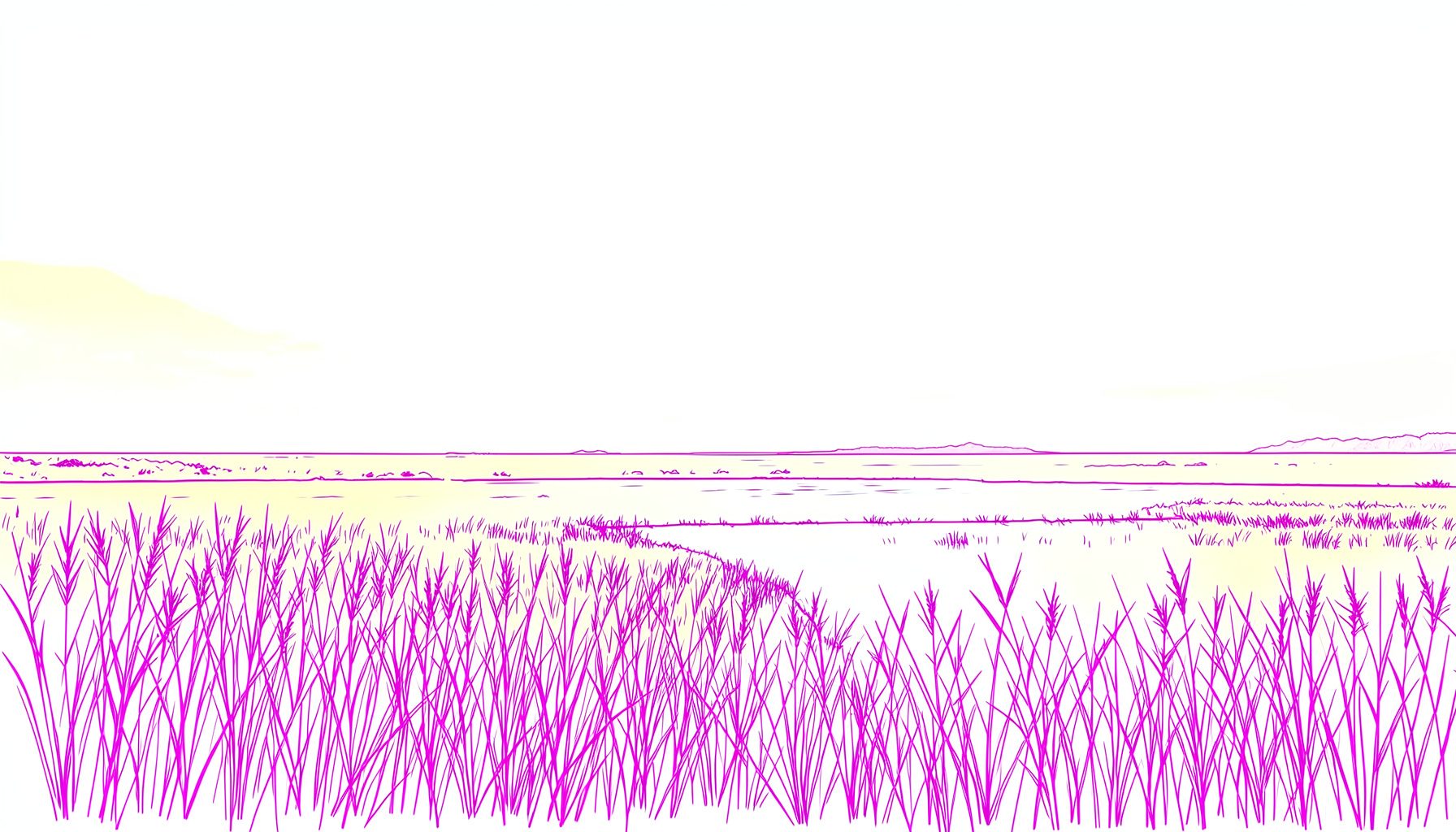
My first morning in the Cypress Hills began beside a ranch gate south of Fort Macleod, where the air smelled of warm soil, sweet clover and cattle. A narrow track crossed rolling grassland before dropping into a coulee lined with juniper and wolf willow. I had expected dramatic prairie, but the birds revealed a patchwork of habitats: wet hollows, fenced pastures, sagebrush ridges and sheltered gullies.
The surprise was how quickly the landscape changed with each rise. A meadowlark called from a fence post, then a pair of Ferruginous Hawks circled over a shallow valley. Twenty minutes later, grassland gave way to dense shrubs and the quieter notes of wrens and warblers. Cypress Hills country rewards slow movement and patient scanning.
Australian birders may associate open country with the mallee around Mildura, the grasslands near Wagga Wagga or the floodplains of the Murray–Darling system. The Cypress Hills offered a different combination: northern grassland birds, boreal migrants and southern grassland species sharing the same broad horizon.
I travelled with a 10x42 binocular pair, a spotting scope and a small notebook. Weather forecasts mattered because exposed ridges can be cold and windy even during Alberta summer. I also learned quickly that fuel, water and a decent coffee were not optional on this route.
Where the prairie birds gather
The best habitat was not always the most scenic view. Broad, uniform fields looked empty until a Sprague’s Pipit rose from the grass, its white outer tail feathers flashing as it landed again. Low sections of land held wet-loving birds, while the coulee rims provided exposed perches for raptors.
In Saskatchewan’s Grasslands National Park, near Val Marie, I found bison, elk and Greater Sage-Grouse along quieter tracks. The park’s rolling grasslands felt immense, yet birds often concentrated around water, cattle disturbances and patches of flowering clover.
Timing shaped the list as much as habitat. Golden Eagles were easiest before sunrise, while grassland songbirds became active after the wind settled. I kept a flexible route rather than following a rigid target list, allowing myself to stop wherever movement caught my attention.
Species that demanded a closer look
Three birds anchored the trip. Chestnut-collared Longspurs were scattered across open prairie, sometimes appearing as small brown birds in a mixed flock before their diagnostic black-and-white faces became visible. They were active migrants, and brief views were the rule.
Sprague’s Pipit required more persistence. The bird walked through short grass with a slightly tilted posture, then burst upward in a long, bounding flight. From a distance, the display looked plain. Through the scope, pale facial stripes and finely marked underparts appeared.
Ferruginous Hawks were the standout raptors. Pale hawks hunted over sagebrush and cropland, using low perches on posts, hillsides and the ground. Burrowing Owls also occupied abandoned prairie-dog burrows, appearing upright beside their holes in the still hours near dusk.
Reading the coulees on foot
Walking brought a different set of birds than driving. Red-eyed Vireos, Western Tanagers and Yellow-throated Warblers appeared among juniper branches inside the deeper coulees. Out on the prairie, the wind forced me to cup my hands around my ears and wait for brief lulls.
The coulees also changed what counted as a landmark. A weathered farm, a stand of poplars or a bend in the creek often mattered more than a broad ridge. I learned to check the near side of each rise, the base of posts and the shelter of erosion banks.
Ranch roads required care. I closed every gate behind me, stayed clear of livestock and asked permission before leaving marked tracks. On public land, I kept back from active nests and avoided playback, which can cause birds to reveal locations that predators might exploit.
Travel notes for Australian birders
The main adjustment was distance. Australians accustomed to long drives between reserves may still find the Cypress Hills expansive, particularly when travelling between Fort Macleod, Medicine Hat and the Saskatchewan parklands. I filled the petrol tank in town, carried water and downloaded maps because reception became patchy beyond the larger settlements.
Driving was on the right, and I gave careful attention to farm machinery, gravel washouts and slow-moving vehicles. Australians are used to road trains and overtaking distances on remote highways; the principle is similar here, although the heavy local traffic is more likely to be combines, livestock trailers or a line of dusty pickup trucks.
The seasons are reversed for many visitors. When Australian birders head north through southern Queensland in June, the Cypress Hills are entering summer. Early morning can be refreshingly cool, but afternoon heat often arrives quickly. A hat, insect repellent and more water than expected belong in the pack.
Small-town hospitality made the trip easier. Cafés in Fort Macleod and Val Marie were practical meeting places where conversation quickly turned to recent sightings, unusual weather and the condition of the range. It was birding banter in the familiar Australian sense: specific, friendly and often centred on who had seen the best bird.
Lessons carried back to the paddock
The greatest lesson was to look at structure before colour. Open grass suggested pipits, longspurs and meadowlarks; fences suggested perch-hunting raptors; dense juniper promised smaller woodland species. Each habitat produced a different list, even when the country looked continuous from a distance.
I also became more conscious of movement. A flicker of brown in the grass could be a pipit, while a distant upright shape might be a Burrowing Owl. Pausing for ten seconds often replaced the need for a long, uncomfortable walk.
A practical takeaway is to choose one reference bird, note its habitat and movement, and confirm the identification before moving on. That simple habit turns a mixed prairie sighting into useful field knowledge for the next fence, wetland or stretch of open country.
// Latest Posts
Birding News #95 — Holiday Edition
December 2014
Tofield Snow Goose Chase
April 2016
Alberta Bird Lists →
Annual species lists from 2011 through 2018, tracking every bird spotted across the province.
Bird Conservation →
Citizen science projects, the Great Canadian Birdathon, and the WildResearch Alberta Nightjar Survey.
Birding Events →
Coverage of the Tofield Snow Goose Chase, Young Naturalists' Corner, and community gatherings.
Young Birder Resources →
Christmas Bird Count guides, CBC4Kids materials, and resources for new birders of all ages.
Explore the site
Whether you're looking for detailed Alberta species records, tips on bird identification, or news from the birding community, there's something here for every prairie bird enthusiast.
The Alberta Birds section archives year-by-year species counts — from 131 species in 2011 to a high of 175 in 2015. The Conservation category covers volunteer surveys and citizen science opportunities. Events highlights community involvement, and the Resources section is built especially for young birders getting started.
Check out the Birding News series for curated links and stories, or browse book reviews covering field guides and prairie birding literature from publishers like Greystone Books.