Stay in the loop
Occasional updates on prairie birding, new posts, and community happenings.
No spam, ever. Unsubscribe anytime.
Birding Through Prairie Storms: A Practical Field Guide
Birding during a prairie thunderstorm can be memorable and hazardous at the same time. Alberta, Saskatchewan, and Manitoba offer superb grassland birding, but their broad horizons leave little natural shelter. A shelf cloud, rising wind, or distant rumble can turn an enjoyable morning into a serious safety decision.
Storms also change what birds do. Insects may fall before rain, waterbirds may seek calmer water, and songbirds may stop singing as pressure falls. Watching these movements can be rewarding, yet reliable identification and personal safety must take priority over a sighting.
Australian readers know that weather can shift quickly around parks and coastal reserves, from Darwin’s humid build-ups to Melbourne’s changeable skies. Check the forecast, watch the horizon, and keep a sheltered exit in mind rather than relying on conditions reported hours earlier.
Good preparation lets you decide when to watch, when to pause, and when to leave. It also protects your records: a soaked field notebook or a lens full of grit is easier to manage than an injury. On open prairie, a sturdy vehicle and a substantial building are more useful than an umbrella, a lone tree, or a fence post.
Reading Prairie Storm Forecasts
Start with official radar rather than a dramatic cloud photograph. Environment and Climate Change Canada issues watches and warnings for prairie regions, including the Grasslands and the Prairies. Compare the radar’s movement with your planned route, and note when the storm line is expected to arrive.
For Australian birders, the Bureau of Meteorology app and radar are familiar local tools, useful for trips in Queensland, the Northern Territory, or elsewhere down south. A habit of checking the radar before leaving home is worth keeping when travelling in Canada. Warnings issued for one country should never be used to judge another.
Set a turnaround time, download maps for areas with poor reception, and carry a charged phone and power bank. Keep the vehicle accessible and park where you can reach it without passing an exposed rise. If lightning is already visible, the weather plan becomes secondary to getting inside.
Choosing a Safe Place to Pause
A safe pause means a substantial building or a hard-topped vehicle, not simply the nearest patch of trees. Avoid hilltops, open prairie, shorelines, isolated shelterbelts, and metal fences. Lightning can jump sideways from a struck object, so distance from a tree or fence does not guarantee safety.
If thunder is audible, lightning is close enough to matter; waiting to see a strike wastes valuable time. A raincoat, rubber-soled boots, or a low crouch do not provide dependable protection. Continue to the shelter you identified, keeping away from water, fences, and metal equipment such as a tripod.
Inside a vehicle, keep the windows closed and avoid touching metal trim or a radio aerial. If heavy rain makes driving unsafe, pull over only at a suitable location and remain inside. Canadian traffic keeps to the right, unlike Australia, so allow extra attention when stopping. Never shelter beneath a bridge or retrieve equipment from a fence line until the storm has fully passed.
Comparing Weather and Birding Decisions
Storm conditions affect both the birds and the observer. The useful comparison is not simply whether rain is falling, but how much time remains before lightning, hail, or dangerously strong wind arrives.
| Conditions | What Birds May Do | Sensible Response |
|---|---|---|
| Tall, dark cloud with a defined edge | Feed lower or move toward shelter | Finish nearby observations and locate substantial shelter |
| Visible lightning or thunder | Feeding and song may decline | Enter a substantial building or hard-topped vehicle |
| Heavy rain and strong wind | Cluster on sheltered water or wetland margins | Watch from a protected position and avoid exposed points |
| Small hail | Crouch or run while ground-feeding | Secure loose items and shelter before conditions intensify |
| Clearing skies | Resume feeding after the front passes | Recheck for branches, flooded tracks, and damaged lines |
Bird movement can change before rain reaches the observer. A strengthening wind, a building shelf cloud, and flashes near the horizon can precede a storm line in the Grasslands. Birds feeding low may simply be responding to insects and pressure changes, but the observer’s response should still be immediate.
Australian birding trips around Darwin, Cairns, and the Atherton Tablelands are sold by established local operators, while outdoor retailers stock compact binoculars and rain covers. When comparing options, check cancellation policies for electrical storms and group sizes rather than choosing solely by price. Similar questions are sensible for prairie tours and farm-based guiding services.
Watching Birds as the Sky Changes
The safest birding often happens before a storm reaches you. Scan stubble fields, sheltered wetlands, and edges of shelterbelts for Say’s phoebes, Sprague’s pipits, and Chestnut-collared longspurs. Around Quill Lakes or Cypress Hills, waterbirds may bunch together on the sheltered side of a wetland, making them easier to count from a stable shoreline.
A rising wind can create a feeding opportunity for swallows and flycatchers, which may hunt insects low over grass. Do not cross private fields without permission, and keep to tracks and public paths so nesting birds and crops are not disturbed. On working farmland, closed gates and muddy tracks require another route, not an improvised shortcut.
Keep optics protected in a padded, dry bag. Remove loose grit with a blower or clean cloth, and never wipe dry sand across a lens coating. Record the time, location, wind direction, and rainfall in your notes. Those details make later comparisons with species movement more useful, especially when observations change abruptly as the front arrives.
Returning to the Field After the Storm
The first break in the rain is not an automatic all-clear. Fallen branches, unstable trees, flooded tracks, and damaged power lines can remain hazards. Check local road closures and state emergency-service warnings before setting out, and never drive or walk through moving or rising floodwater.
Across the Canadian prairies, respect farm access rules, leave gates as found, and keep vehicles on public roads unless the landowner has granted permission. Australian law offers a related reminder: the Environment Protection and Biodiversity Conservation Act 1999 applies to nationally listed species and communities, while state and territory laws govern many other wildlife protections. Useful records do not justify disturbing wildlife.
Take time to dry equipment, refresh batteries, and note which species appeared before and after the front. Such notes reveal how weather shapes grassland bird activity across spring and summer. The practical takeaway is straightforward: secure shelter before thunder arrives, because no sighting is worth the risk of a lightning strike.
// Latest Posts
Birding News #95 — Holiday Edition
December 2014
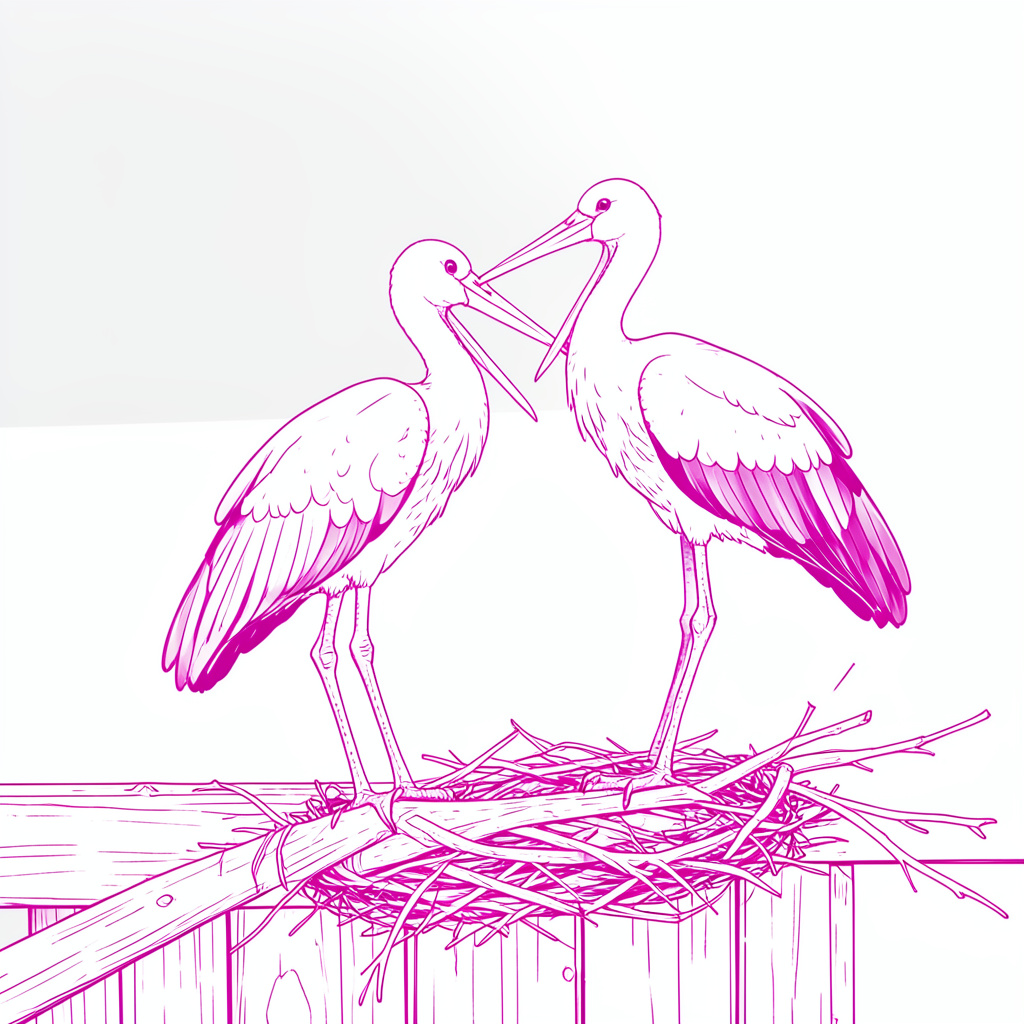
Tofield Snow Goose Chase
April 2016
Alberta Bird Lists →
Annual species lists from 2011 through 2018, tracking every bird spotted across the province.
Bird Conservation →
Citizen science projects, the Great Canadian Birdathon, and the WildResearch Alberta Nightjar Survey.
Birding Events →
Coverage of the Tofield Snow Goose Chase, Young Naturalists' Corner, and community gatherings.
Young Birder Resources →
Christmas Bird Count guides, CBC4Kids materials, and resources for new birders of all ages.
Explore the site
Whether you're looking for detailed Alberta species records, tips on bird identification, or news from the birding community, there's something here for every prairie bird enthusiast.
The Alberta Birds section archives year-by-year species counts — from 131 species in 2011 to a high of 175 in 2015. The Conservation category covers volunteer surveys and citizen science opportunities. Events highlights community involvement, and the Resources section is built especially for young birders getting started.
Check out the Birding News series for curated links and stories, or browse book reviews covering field guides and prairie birding literature from publishers like Greystone Books.