Stay in the loop
Occasional updates on prairie birding, new posts, and community happenings.
No spam, ever. Unsubscribe anytime.
Prairie Wildflowers for Better Bird Habitat
Open grassland can look sparse, but a varied patch of flowers supports birds throughout the year. Blooms draw insects, seed heads feed granivores, and tangled stems provide shelter. The aim is a functioning habitat rather than simply a colourful border.
The best prairie wildflowers for bird habitat create a connected food system. Early flowers sustain insects, later blooms fill seasonal gaps, and grasses protect ground-nesting species. Together, they give birds places to forage, rest and shelter from wind.
For Australian readers, prairie planting is best treated as a habitat model rather than a literal transplant. North American species illustrate the principles, but locally native grassland plants will generally establish more successfully and support birds already present in the region.
How wildflowers become bird habitat
Nectar-rich flowers are valuable even when birds do not drink nectar directly. They maintain bees, flies, moths and butterflies, which are then hunted by flycatchers, warblers and other insect-eating birds. Local bottlebrushes and grevilleas offer a similar nectar pathway for honeyeaters and lorikeets.
Seed-bearing flowers provide a more direct reward. Finches, parrots and buntings can work through mature flower heads, while the remaining stalks support small invertebrates. Leaving some seed heads standing through winter preserves both food and potential nesting material.
Habitat structure matters as much as flower colour. Low plants cover the ground, medium-height stems create sheltered feeding lanes, and a few upright stems provide lookout points. A layered planting also gives birds the option of moving between shelter and exposed feeding areas.
Prairie standouts and seasonal structure
Purple prairie clover and golden alexanders attract many nectar-feeding insects, while purple coneflowers, asters and sunflowers extend the flowering season. Their different forms support different birds, from seed specialists to species that hunt insects near open blooms.
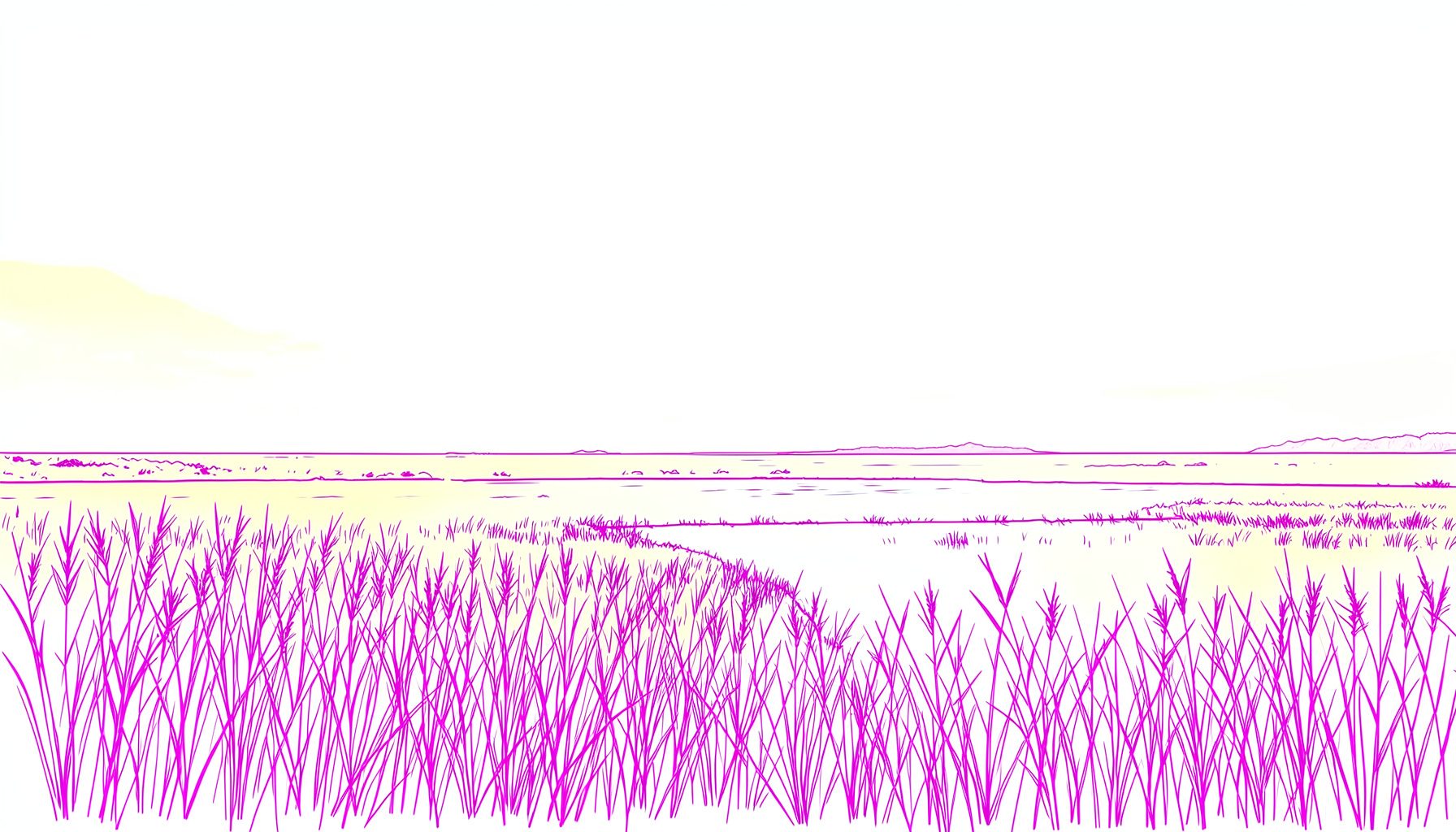
A field account from a South Saskatchewan River walk demonstrates how river corridors, grassland and flowering plants combine into useful bird habitat. Such landscapes work because they contain more than one habitat type, including water, native vegetation and open edges.
Flower succession is especially useful. Spring species cover insects needed to raise chicks, summer blooms maintain adult food supplies, and autumn flowers prepare birds for migration or the lean months ahead. Prairie grasses such as big bluestem and little bluestem add shelter once the flowers have finished.
Comparing plants by habitat function
The most useful choice is not always the most showy plant. Comparing ecological roles reveals which species contribute food, cover and year-round structure.
| Plant role | Prairie example | Australian analogue | Bird benefit |
|---|---|---|---|
| Nectar shrub | Rabbitbrush | Bottlebrush or grevillea | Supplies nectar over an extended flowering period |
| Pollen-rich flower | Golden alexanders | Local daisies such as Olearia or Vittadinia | Supports insects that become food for birds |
| Flowering legume | Purple prairie clover | Daviesia, Kennedia or Indigofera | Adds nectar and improves soil conditions |
| Seed-bearing perennial | Purple coneflower or aster | Seed heads of locally native daisies | Provides food during seasonal shortages |
| Grass or sedge | Big bluestem or needlegrass | Themeda, Microlaena or Lomandra | Creates nesting cover, perches and protected travel routes |
These are functional matches, not exact botanical equivalents. Australian alternatives should be selected from plants genuinely native to the intended bioregion, because a species that is broadly Australian may still be poorly suited to local soils, rainfall and wildlife.
Adapting prairie ideas for Australia
Most Australian habitats are not true prairies, but grasslands, woodland edges and heathlands can benefit from the same layered approach. In Melbourne’s compact backyards, narrow nature strips and small courtyards, native daisies and compact shrubs can create feeding opportunities without demanding large areas.
Canberra’s frost-prone winters and surrounding native grasslands call for hardy local species, while Adelaide’s hot, dry summers and restricted watering make drought-tolerant plants especially valuable. Where irrigation is needed, a deep planting basin and a generous layer of leaf mulch can reduce evaporation and keep roots cool.
Australian nurseries and local seed merchants commonly offer bottlebrushes, grevilleas, native daisies and grass cultivars. Buyers should check labels for growing region, provenance and potential invasiveness. Keeping a shallow water dish is also a familiar Australian backyard habit, and placing it beside low cover gives visiting birds a safer place to drink.
The federal Biosecurity Act 2015 and state quarantine rules control plant imports, so North American prairie seed should not be mailed or imported without checking requirements. State vegetation and biodiversity legislation, together with council overlays, may also restrict the clearing of native grassland. Gardeners should confirm local rules before removing turf, soil or remnant vegetation.
Planting for a year-round bird calendar
A habitat planting works best when it offers several resources at once. For Canadian prairie projects, flowering species should be combined with robust grasses; Australian gardens need the same balance using locally native plants.
Flowering plants that earn their space
- Purple prairie clover for nectar and abundant insect activity
- Coneflowers and asters for extended flowering and seed
- Native daisies, bottlebrushes or grevilleas for regional bird food
Habitat features to check
- Flowers opening during more than one season
- Seed heads left standing through the cooler months
- Low cover beside taller stems for protected perching
Keep a monthly record of flowering plants, insect activity and visiting birds. After a season, expand the plants that produced the most feeding opportunities while retaining enough dense vegetation for nesting and shelter.
// Latest Posts
Birding News #95 — Holiday Edition
December 2014
Tofield Snow Goose Chase
April 2016
Alberta Bird Lists →
Annual species lists from 2011 through 2018, tracking every bird spotted across the province.
Bird Conservation →
Citizen science projects, the Great Canadian Birdathon, and the WildResearch Alberta Nightjar Survey.
Birding Events →
Coverage of the Tofield Snow Goose Chase, Young Naturalists' Corner, and community gatherings.
Young Birder Resources →
Christmas Bird Count guides, CBC4Kids materials, and resources for new birders of all ages.
Explore the site
Whether you're looking for detailed Alberta species records, tips on bird identification, or news from the birding community, there's something here for every prairie bird enthusiast.
The Alberta Birds section archives year-by-year species counts — from 131 species in 2011 to a high of 175 in 2015. The Conservation category covers volunteer surveys and citizen science opportunities. Events highlights community involvement, and the Resources section is built especially for young birders getting started.
Check out the Birding News series for curated links and stories, or browse book reviews covering field guides and prairie birding literature from publishers like Greystone Books.