Stay in the loop
Occasional updates on prairie birding, new posts, and community happenings.
No spam, ever. Unsubscribe anytime.
A day of birding at Delta Marsh
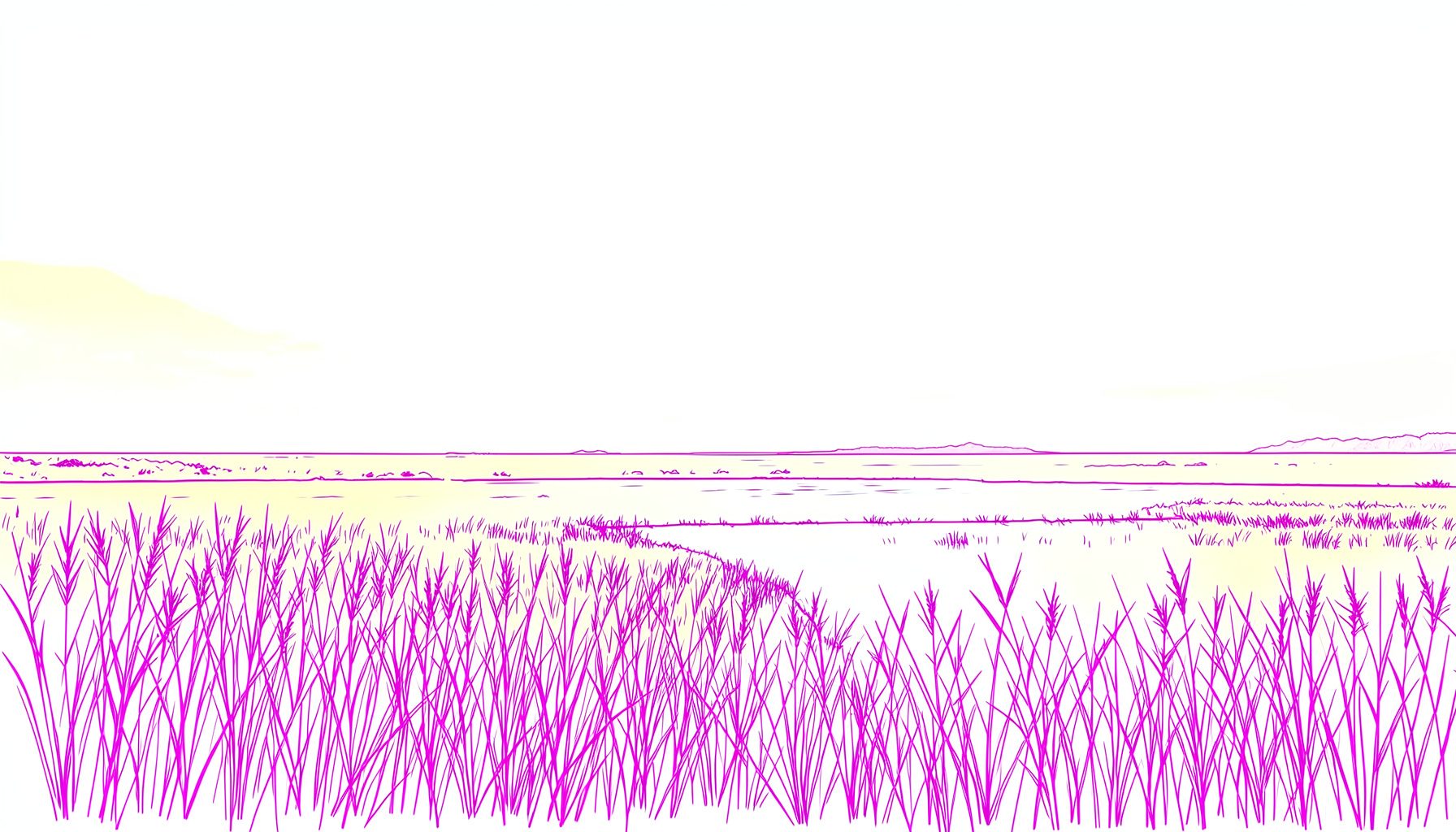
Before sunrise, I left Portage la Prairie with a thermos, packed lunch and enough time to reach Delta Marsh while mist lay over the water. The route felt more like farmland than famous wilderness, which is part of its appeal: birds gather around working landscapes rather than remote country.
Canada geese and sandhill cranes moved in loose groups. Pintails dabbled at shallow edges, while distant wingbeats suggested more ducks arriving from the north. A good day here is measured in layers revealed slowly: first silhouettes, then calls, then field marks once the scope settles on them.
For Australian readers, the calendar is the first surprise. May is late spring in Manitoba but autumn in Australia, when many Australian birders would be heading into winter. Delta is entering its busiest nesting and fledgling season, with long daylight and insects already active around the marsh.
Planning the marsh before sunrise
Plan for movement rather than a rigid checklist. Waterfowl drift between flooded sections, while cranes feed in newly sprouted fields before moving to safer wetland islands later. Late-afternoon light can be excellent, but wind, rain and mosquitoes quickly erase distant views. The most productive rhythm is a slow scan at arrival, a short walk along an edge and a pause near cover for returning birds.
Access deserves respect because much of Delta Marsh lies within a working landscape. Follow reserve signs and local directions, stay on public paths or marked trails and remember that a farm track is not automatically an invitation to enter. Binoculars, a spotting scope and a windproof notebook cover most needs. Walking from a safe parking area can reveal birds that a driver misses.
Reading water, grass and sky
Water rewards patience. Scan for the long neck and heavy body of a Canada goose, the crane-like profile of a sandhill crane and the quick upturn of a pintail’s tail. Gadwall, American wigeon and mallard often share the same pools, so note wing pattern, bill colour and size rather than relying on a distant flash of colour. Early light is often best for watching geese leave a roost.
Grass and sky present a different challenge. Western meadowlarks perch on fence posts, Sprague’s pipits flush from dry ground, and a red-tailed hawk can hang over a harvested patch. Short-eared owls hunt low over rough grass, sometimes appearing only when careful steps force them to move. Keep an identification provisional until behaviour supports the field marks.
Stewardship is shared among reserve staff, farmers, local government, conservation groups and Indigenous communities. That theme of regional cooperation connects with a discussion that compares Islamic leadership in Indonesia and the Middle East, although the institutions are very different. Both subjects demonstrate how landscapes and communities benefit when decisions are coordinated across boundaries.
Australian habits that translate well
Australian city birders bring useful habits from places such as Sydney’s Centennial Park, Melbourne’s Werribee wetlands and Brisbane’s river corridors. Many arrive with a folding stool, rubbish bag and thermos, then settle for an hour rather than racing between spots. Local wetlands near these cities teach the same patience demanded by Delta, where a stationary observer often sees more than someone constantly driving.
Shopping habits can be translated too. Before a trip, many people buy binoculars, spare batteries and seed from a birdseed stall at a local produce market or Australian supermarket. Sunflower seed and millet suit some garden birds, but food should never be scattered at Delta because it can alter behaviour and spread disease. Clean mud from boots and scopes before moving between wetlands.
Know the rules before going. Australia’s Environment Protection and Biodiversity Conservation Act 1999 and state or territory wildlife laws protect many migratory and nesting birds; at Delta, Manitoba wildlife rules and reserve signs apply. Keep dogs leashed where required, give birds space and never collect eggs or nests. These familiar Australian reserve habits apply equally to the Canadian landscape.
Lists for scanning water, grass and edges
Begin with broad habitat views before naming individual birds, then use two short lists to organise what you see.
- Large movement: sandhill cranes, Canada geese and white pelicans crossing open water
- Pond ducks: gadwall, American wigeon, mallard and northern pintail at muddy margins
- Open-country birds: western meadowlarks, Sprague’s pipits and chestnut-collared longspurs
- Predators and migrants: red-tailed hawks, short-eared owls and groups of blackbirds
A second list is useful for confirming sightings and deciding when to move.
- Flight and call: wing shape, formation, alarm calls and the direction of movement
- Feeding behaviour: dabbling, grazing, probing or watching from an exposed perch
- Water conditions: open pools, muddy edges, flooded vegetation and exposed mudflats
- Time and light: mist at sunrise, strong midday contrast and warm evening sidelight
These lists keep attention on changing conditions. If several species leave together, check for a predator. If a rail or sparrow slips into cover, wait rather than pursuing it.
The useful final hour
By late afternoon, the strongest memories are often small ones: a pipit landing beside the path, a wigeon tucking its bill beneath its feathers or a distant owl crossing stubble. A farmyard can also feel like an extension of the marsh when shelterbelts, stock water and native seed are available. The Prairie Birder guide on attracting prairie birds provides practical habitat ideas for building that connection.
The most useful rule I carried away was simple: work from the nearest edge, scan in short passes and let behaviour confirm the bird before naming it. This method suits both a Canadian prairie wetland and an Australian urban reserve while helping observers leave each place with accurate records and very little disturbance.
// Latest Posts
Birding News #95 — Holiday Edition
December 2014
Tofield Snow Goose Chase
April 2016
Alberta Bird Lists →
Annual species lists from 2011 through 2018, tracking every bird spotted across the province.
Bird Conservation →
Citizen science projects, the Great Canadian Birdathon, and the WildResearch Alberta Nightjar Survey.
Birding Events →
Coverage of the Tofield Snow Goose Chase, Young Naturalists' Corner, and community gatherings.
Young Birder Resources →
Christmas Bird Count guides, CBC4Kids materials, and resources for new birders of all ages.
Explore the site
Whether you're looking for detailed Alberta species records, tips on bird identification, or news from the birding community, there's something here for every prairie bird enthusiast.
The Alberta Birds section archives year-by-year species counts — from 131 species in 2011 to a high of 175 in 2015. The Conservation category covers volunteer surveys and citizen science opportunities. Events highlights community involvement, and the Resources section is built especially for young birders getting started.
Check out the Birding News series for curated links and stories, or browse book reviews covering field guides and prairie birding literature from publishers like Greystone Books.