Stay in the loop
Occasional updates on prairie birding, new posts, and community happenings.
No spam, ever. Unsubscribe anytime.
Birding the dunes at Great Sand Hills
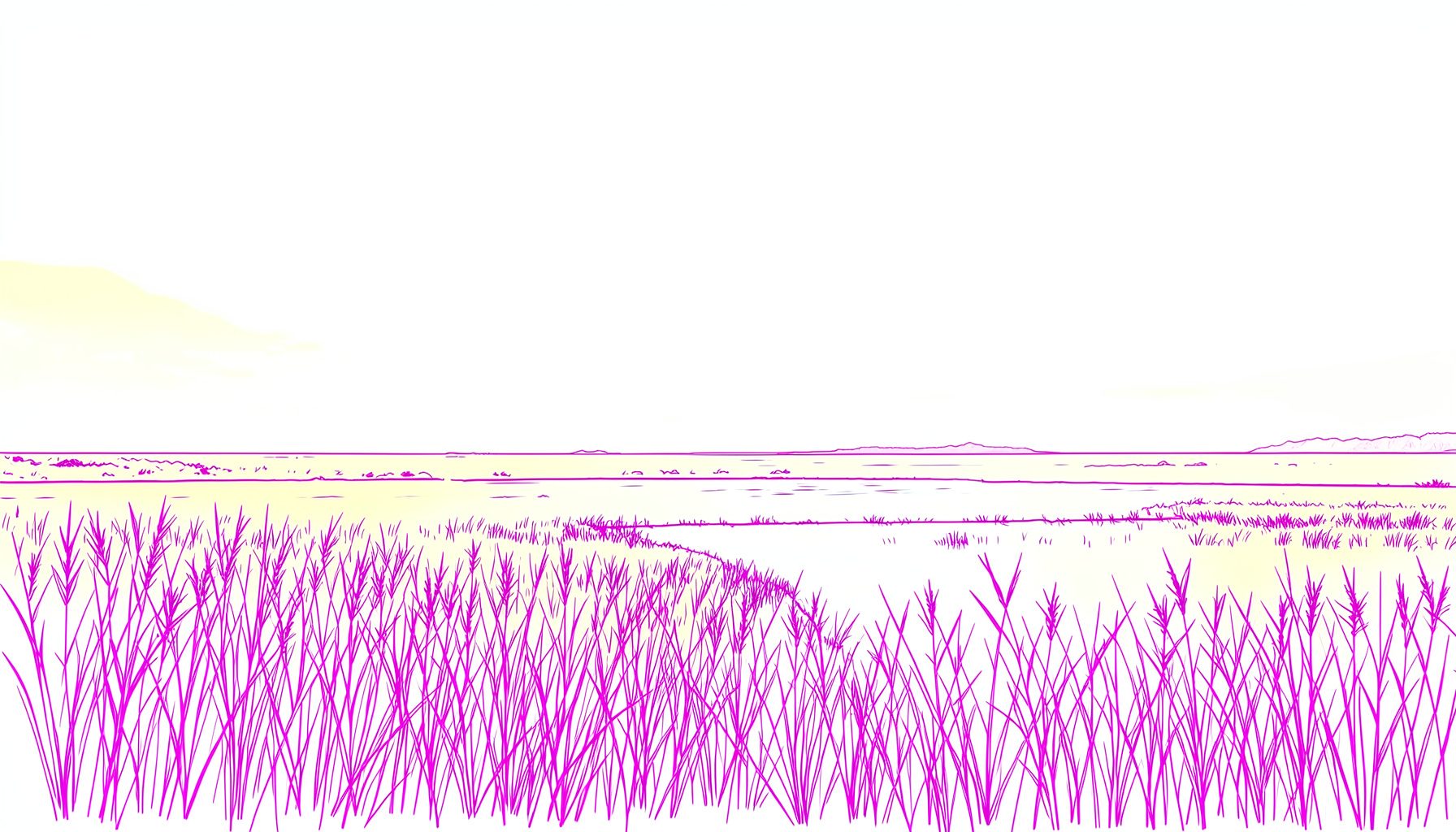
The Great Sand Hills lie north of Maple Creek in southwestern Saskatchewan, where prairie winds have shaped loose soil into long, grass-covered ridges. The landscape looks open and quiet, yet every sandy hollow, shrub patch and fence line can shelter migrating songbirds, wintering owls and larks.
Many Australian birders first encounter similar open country in Kakadu or around Adelaide’s wetlands, although the prairie scale and dune vegetation feel distinct. The pleasure lies in sudden activity: a pipit rising from the path, a longspur ticking in the wind, or an owl watching from a low mound.
Finding the dune country
Follow Saskatchewan Highway 45 north from Maple Creek and watch for signs to Great Sand Hills Provincial Park. The last access roads are gravel, and rain can soften them into corrugations and ruts. A high-clearance vehicle is sensible, while loose sand or wet gravel reward slow, steady driving.
Treat Maple Creek as the practical base for fuel, food, ice and motel rooms, then carry what you need into the park. Mobile coverage can be patchy. Australian birding tours commonly sell scheduled seats per person with transport and guiding included, while a private prairie outing may be quoted differently, so ask for a written price and a clear list of inclusions.
Choosing the season
May and June bring songbirds into the grasslands, including western meadowlarks, lark buntings, Sprague’s pipits and chestnut-collared longspurs. Late summer and early autumn add passage shorebirds along damp edges and nearby fields. Midsummer offers long days, but heat, mosquitoes and thunderstorms can keep birds low and less visible.
Australians already know the value of a dawn chorus, though here it starts with a sharper focus on the first hours after sunrise. “Bins” is familiar Australian shorthand for binoculars, and a productive morning earns the description of a “proper birding day”. By late morning, the best strategy is often to search shaded edges rather than exposed crests.
Birds to seek among the dunes
Start with the small birds that sing from the grass or bounce along bare ground. Horned larks and grasshopper sparrows are readily visible; chestnut-collared longspurs often move in loose flocks, with breeding males showing bold black-and-white patterns. Western meadowlarks carry their flute-like songs across the dunes, while Sprague’s pipits can be frustratingly difficult to locate.
Keep a longer watch for burrowing owls at burrow entrances, red-tailed hawks on posts and rough-legged hawks scanning from the air. Do not block an owl’s burrow or climb the mound to obtain a photograph. The surrounding prairie also matters: it is the food and shelter that make the dune habitat worth protecting.
Tracks, calls and useful recordings
Tracks in soft sand, tail movements and repeated calls often reveal birds before you see them. Move slowly along established paths, scan ahead of singing larks and note the direction in which a pipit hops away. Recording calls can help separate a pipit from a sparrow, although every identification should still be checked visually when possible.
A phone voice memo and a simple windscreen are enough to begin; this guide to budget bird song recording explains a practical low-cost setup. Record wind and handling noise as well as birdsong, then label files with the date, location and habitat.
Travel and campground realities
Staying overnight extends the birding window, but the dunes are not a conventional Australian caravan park. Many Australian sites advertise powered sites and hot showers; facilities here are limited, so confirm camping locations, hook-ups and seasonal opening times with Saskatchewan Parks. Bring your own water, food and toilet supplies, and follow all fire restrictions.
Conditions change quickly. Even in summer, a strong wind can make a mild afternoon feel cold, while exposed skin invites mosquitoes and sunburn. Carry water, a hat, repellent and a light shell. If a storm develops, move away from dune crests and isolated trees rather than trying to outrun the weather.
A practical field kitchen
Camp cooking can be simple, but food storage and rubbish deserve attention. Keep meals and scented items inside hard containers so they do not attract animals, and pack rubbish out. A wide pan, a small stove and a fuel canister cover most needs; prepare ingredients before lighting the burner, and cook well away from dry grass.
If you add fish to the menu, preparing a whole fish covers cleaning and preparation before cooking in a limited camp kitchen. Use only what you have legally caught, respect local rules and keep the raw fish cold until the pan is ready.
- One-pot eggs, potatoes and vegetables for an easy breakfast
- Rice or pasta with a ready-made sauce and fresh salad
- An insulated flask for coffee and a refillable water bottle
The essentials for a rewarding visit
Australian field guides share many common bird names, but North American species can still cause confusion, so check a reliable identifier when an app seems uncertain. Download maps for offline use, carry spare batteries and keep observations in a notebook as well as an app. A spotting scope is useful for distant edges, but binoculars and patience reveal more.
Pack for changing conditions rather than a single warm day:
- Binoculars, a small notebook and a sun hat
- Water, insect repellent and a windproof layer
- A charged phone, offline maps and a portable battery
- A quiet plan that leaves time to watch one patch of grass
The lasting memory is of apparent emptiness giving way to movement: a longspur running across bare sand, an owl dropping from a fence post, a meadowlark singing beyond the crest. What remains is the contrast between a seemingly vacant dune and the sudden abundance of wings, calls and quick movements.
// Latest Posts

Birding News #95 — Holiday Edition
December 2014

Tofield Snow Goose Chase
April 2016
Alberta Bird Lists →
Annual species lists from 2011 through 2018, tracking every bird spotted across the province.
Bird Conservation →
Citizen science projects, the Great Canadian Birdathon, and the WildResearch Alberta Nightjar Survey.
Birding Events →
Coverage of the Tofield Snow Goose Chase, Young Naturalists' Corner, and community gatherings.
Young Birder Resources →
Christmas Bird Count guides, CBC4Kids materials, and resources for new birders of all ages.
Explore the site
Whether you're looking for detailed Alberta species records, tips on bird identification, or news from the birding community, there's something here for every prairie bird enthusiast.
The Alberta Birds section archives year-by-year species counts — from 131 species in 2011 to a high of 175 in 2015. The Conservation category covers volunteer surveys and citizen science opportunities. Events highlights community involvement, and the Resources section is built especially for young birders getting started.
Check out the Birding News series for curated links and stories, or browse book reviews covering field guides and prairie birding literature from publishers like Greystone Books.