Stay in the loop
Occasional updates on prairie birding, new posts, and community happenings.
No spam, ever. Unsubscribe anytime.
Birding The Red River Valley Through Every Season
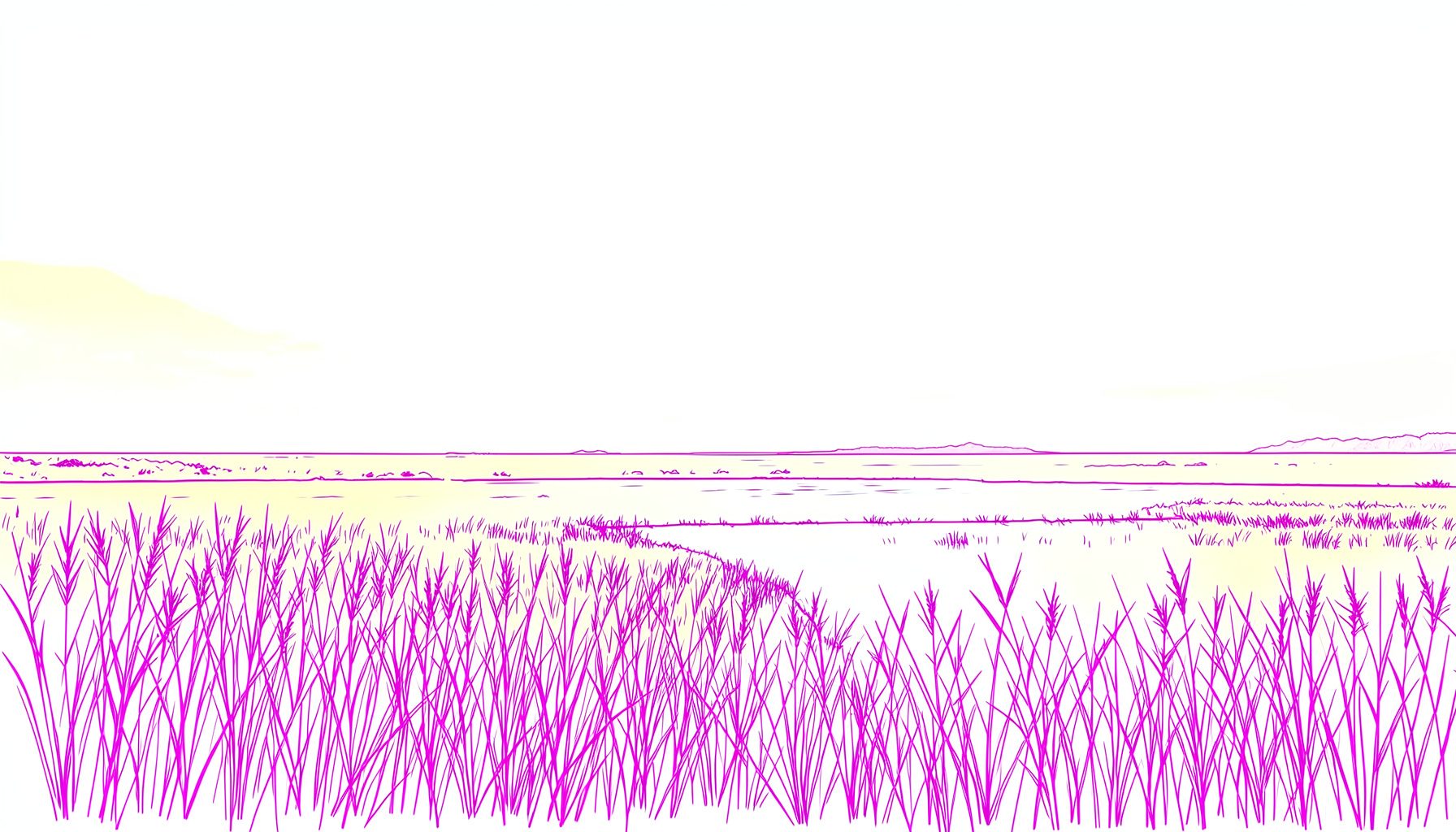
The Red River Valley stretches across southern Manitoba and into North Dakota, a remarkably level landscape shaped by floodplain, prairie, marsh, woodland, and farmland. Its broad skies and fertile soils support a rich bird community, especially during spring and autumn migration when birds gather in impressive numbers.
For birdwatchers in Australia, this region offers a very different field experience. The seasons are reversed, the daylight can feel surprisingly long in summer, and familiar southern hemisphere habits need adjusting. A visit is less about ticking species quickly and more about understanding how water, grassland, weather, and agriculture guide birds across the valley.
A Floodplain Rich In Birdlife
The Red River is the valley’s organising feature. Its slow-moving water, oxbow channels, drainage ditches, and seasonal wetlands create feeding and nesting areas for ducks, geese, rails, herons, and shorebirds. When spring snowmelt spreads across low fields, temporary pools can become busy stopover sites almost overnight.
The surrounding farmland adds another layer of habitat. Cereal fields, shelterbelts, roadside ditches, and uncultivated margins provide food and cover for sparrows, blackbirds, meadowlarks, and raptors. A quiet gravel road near Winnipeg may produce as much variety as a formal reserve, particularly early in the morning when birds are moving between roosts and feeding areas.
Migration Sets The Calendar
Spring is one of the most exciting times to visit. Snow geese and Canada geese arrive in large flocks, followed by ducks, gulls, terns, warblers, and shorebirds. Weather strongly influences the experience: a warm southerly wind can bring a wave of migrants, while a late cold front may hold birds in sheltered marshes for several days.
Autumn brings a different mood. Juvenile birds are now present, flocks become more mixed, and raptors may be visible along open roads as they take advantage of rising air. In Australia, this timing falls roughly from late August through October, while the valley’s spring migration occurs around April and May. Planning by northern hemisphere dates is essential when comparing notes with Australian birding friends.
Habitats Worth Reading Closely
Oak hammock, cattail marsh, and shallow ponds are excellent places to search for waterfowl and wetland specialists. Look for American Coots, Pied-billed Grebes, Yellow-headed Blackbirds, and Black Terns among the reeds. In open water, American White Pelicans and Double-crested Cormorants can be conspicuous, while smaller species often remain hidden along muddy edges.
Tallgrass remnants and hayfields hold some of the valley’s most distinctive prairie birds. Bobolinks, Western Meadowlarks, Sedge Wrens, and Savannah Sparrows may be tucked into dense vegetation, with their presence revealed first by song. Woodland strips along the river support Northern Cardinals, Baltimore Orioles, Rose-breasted Grosbeaks, and a changing selection of migrant warblers.
Field Marks For Open Country Birds
Long views make the valley rewarding, but distance can also make identification difficult. A scope is useful beside large wetlands, while binoculars are better for following small birds moving through shelterbelts. Australian birders accustomed to eucalyptus woodland should pay particular attention to flight patterns and habitat rather than relying on colour alone.
Useful clues include:
- The buoyant flight and pale wing patches of a Northern Harrier
- The bold black-and-white pattern of a distant American Avocet
- The grassland song and yellow belly of a Western Meadowlark
- The slow wingbeats and long neck of a Sandhill Crane
Many species look unfamiliar at first because their nearest Australian equivalents occupy different ecological roles. A good field guide, a northern hemisphere bird app, and recorded calls can help bridge that gap. eBird Australia users will already recognise the platform, but checking the regional taxonomy and recent sightings before travelling is worthwhile.
Accessible Places To Begin
FortWhyte Alive in Winnipeg is a practical starting point, with ponds, prairie plantings, woodland, and well-marked trails. Oak Hammock Marsh, north of the city, offers boardwalks, observation towers, and broad wetland views. Both locations suit visitors who want reliable access without committing to a long backcountry outing.
Delta Marsh and Netley-Libau Marsh provide larger, wilder landscapes, although conditions and access can vary. Good locations to consider include:
- Oak Hammock Marsh for waterfowl and wetland boardwalks
- FortWhyte Alive for woodland, prairie, and urban-edge birding
- Delta Marsh for migration and extensive marsh habitat
- Tallgrass Prairie Preserve for grassland species
Australian visitors may find the distances modest by outback standards, yet weather can change quickly. A hire car is often the easiest way to reach rural sites, and a ute is useful on rough access roads where permitted. Check local reserve notices, road conditions, and parking arrangements before setting out.
Practical Rhythms For A Memorable Visit
Begin near sunrise, when birds are most vocal and farm roads are quieter. Carry warm layers in spring and autumn, waterproof footwear for wet trails, insect repellent in summer, and plenty of water. Canadian mosquitoes can be persistent around marshes, while exposed prairie offers little shade during bright days.
Camping is possible in several parts of Manitoba, but facilities differ greatly between provincial parks, private campgrounds, and remote sites. Australian birders familiar with a swag or simple bush camp should still prepare for cooler nights and sudden rain. Keep food secured, respect private farmland, and remain on public tracks and marked trails.
A simple field routine works well:
- Scan distant water with a scope before walking closer
- Check fence lines and isolated trees for perched raptors
- Pause at every wet ditch, reedbed, and shelterbelt
- Record habitat, weather, and behaviour with each sighting
The Red River Valley rewards patience more than speed. A flock of geese may conceal smaller ducks, a meadowlark may sing from an unseen fence post, and a seemingly empty field may fill with shorebirds after rain. For Australian birders, the most useful approach is to slow down, learn the shape of the landscape, and match each bird to the habitat around it. Take binoculars, a scope if possible, and a flexible itinerary: the best sightings often appear where water and prairie meet.
// Latest Posts
Birding News #95 — Holiday Edition
December 2014
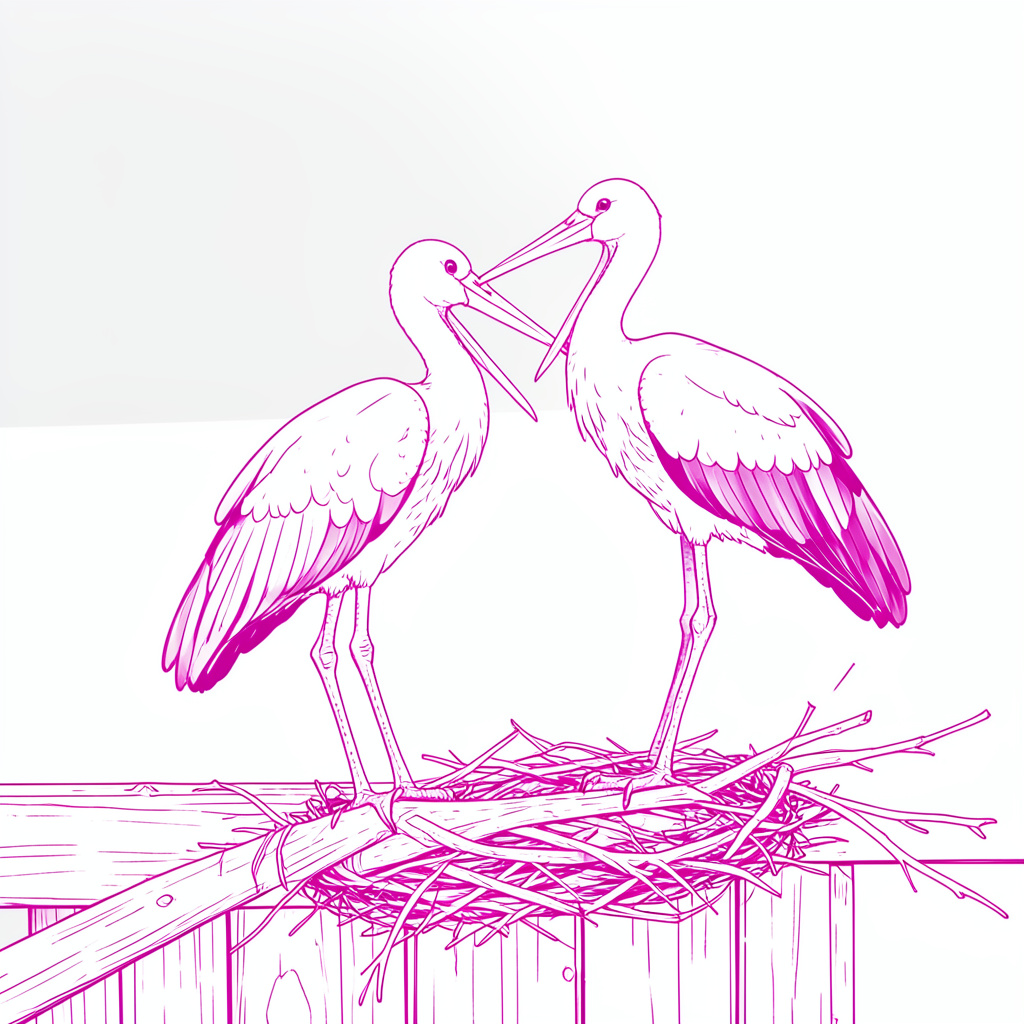
Tofield Snow Goose Chase
April 2016
Alberta Bird Lists →
Annual species lists from 2011 through 2018, tracking every bird spotted across the province.
Bird Conservation →
Citizen science projects, the Great Canadian Birdathon, and the WildResearch Alberta Nightjar Survey.
Birding Events →
Coverage of the Tofield Snow Goose Chase, Young Naturalists' Corner, and community gatherings.
Young Birder Resources →
Christmas Bird Count guides, CBC4Kids materials, and resources for new birders of all ages.
Explore the site
Whether you're looking for detailed Alberta species records, tips on bird identification, or news from the birding community, there's something here for every prairie bird enthusiast.
The Alberta Birds section archives year-by-year species counts — from 131 species in 2011 to a high of 175 in 2015. The Conservation category covers volunteer surveys and citizen science opportunities. Events highlights community involvement, and the Resources section is built especially for young birders getting started.
Check out the Birding News series for curated links and stories, or browse book reviews covering field guides and prairie birding literature from publishers like Greystone Books.