Stay in the loop
Occasional updates on prairie birding, new posts, and community happenings.
No spam, ever. Unsubscribe anytime.
Camping for Birders: Choosing a Prairie Campsite
A good prairie campsite is more than a place to sleep. It can put you beside a dawn chorus, within walking distance of wetlands, or close enough to a grassland ridge to watch hawks riding the first thermals. The right location also reduces long drives between sightings and gives you time to notice the smaller movements around camp.
For Australian birders, prairie camping offers a different rhythm from birding around Melbourne’s Western Treatment Plant, Kakadu, or the woodlands outside Canberra. Canadian grasslands are broad, open and weather-exposed, with habitats changing quickly from aspen parkland to shallow ponds, riparian corridors and crop edges.
Alberta, Saskatchewan and Manitoba each offer excellent birdwatching campsites, but the best choice depends on habitat, access, season and comfort. A campsite beside a lake may be superb for waterfowl yet poor for grassland specialists, while a secluded wooded site can hide the horizon needed for spotting raptors.
Match the campsite to the habitat
Start by identifying the birds you hope to see. Prairie potholes and marsh margins attract ducks, grebes, Black-crowned Night-Herons and rails. Short-grass prairie may produce Sprague’s Pipit, Chestnut-collared Longspur and Burrowing Owl, while aspen groves are useful for warblers, vireos and woodpeckers.
A campsite near mixed habitat usually provides the greatest variety. Look for campgrounds within a short walk of a wetland, open pasture and a line of trees. In Saskatchewan, a site near prairie sloughs can be productive at sunrise; in Alberta, foothill grasslands may add Mountain Bluebird and soaring raptors; in Manitoba, lake edges and boreal transition zones can bring a richer woodland list.
Check access and reservation rules
Many Canadian provincial parks and national parks require advance reservations during summer. A site that appears close on a map may be separated from the best birding area by a busy road, a closed trail or private farmland. Read campground maps carefully and check whether walking routes connect to shorelines, viewing platforms or neighbouring habitats.
Travellers from Australia should also allow for the scale of prairie country. A drive from Calgary to a birding site in southern Alberta, or between Regina and a Saskatchewan park, can take much longer than expected, with few fuel stops along the way. Download offline maps, keep the tank reasonably full and confirm whether your chosen campground accepts international visitors, online payments and bookings made with an Australian card.
Choose a site with a useful view
The most attractive camping spot is not always the most productive one. A site on the outer edge of a campground may offer a clear view across grassland or a quieter approach to a marsh. Avoid placing your tent directly beside a busy washroom block, playground or generator area, since human activity can push birds farther away and make dawn observation unpleasant.
Shade matters too. Prairie sunlight can become intense by late morning, while exposed campsites can feel cold before sunrise. A tree beside the site provides shelter, but dense vegetation may block views and collect mosquitoes. If possible, choose a position where you can sit quietly with binoculars without crossing through sensitive nesting areas.
Prepare for prairie weather and insects
Prairie weather can change rapidly. A clear morning may be followed by strong wind, hail or a sudden temperature drop, particularly in Alberta’s open country. Bring a waterproof outer layer, warm sleeping clothing, sun protection and a tent capable of handling wind. A lightweight shelter that performs well in Australian coastal conditions may need additional guy lines on an exposed Canadian campsite.
Mosquitoes and biting flies are part of the experience near wetlands and still water. Repellent, a head net and long, lightweight clothing are worthwhile additions. A compact power bank or solar charger can be useful when camping away from facilities, especially for keeping a phone, GPS and eBird records available. Australian retailers such as BCF, Anaconda and Kathmandu commonly stock the kind of layered clothing, insect protection and compact cooking gear suited to this preparation.
Plan quiet dawn and evening sessions
Bird activity is often highest soon after sunrise, so camp location should support a quick and quiet departure. Pack binoculars, a small field guide, water and a snack the night before. Avoid noisy zips, clattering cookware and bright torches around neighbouring tents. Red light can help with essential tasks without lighting up the entire campground.
Evening can be equally rewarding. Nighthawks may appear over open clearings, owls can call from aspen stands, and shorebirds may move along a lake edge as the light softens. A notebook is useful when your hands are cold or phone reception disappears. For extra visual travel inspiration before a long birding trip, browse Rito Frances alongside your usual field resources, then keep the equipment list practical and light.
Respect wildlife and campground customs
Stay on marked tracks and keep well away from nests, burrows and feeding flocks. Prairie birds often rely on camouflage, so a bird that seems unconcerned may actually be protecting young nearby. Use a long lens or binoculars rather than moving closer, and avoid playing recorded calls during breeding season.
Follow local fire restrictions, store food securely and leave no scraps around the tent. Campgrounds may have strict quiet hours, especially after 10 p.m., and generators can be limited to designated periods. Australian visitors should remember that Canadian parks may use different waste systems, campsite layouts and firewood rules; buying local firewood is often required to prevent the spread of pests. If driving, remain alert to the change from Australia’s left-side traffic to Canada’s right-side traffic, particularly after an early start.
A comfortable base makes patient observation much easier. Reserve early for popular summer weekends, but keep a flexible plan for smoke, storms or flooded tracks. Carry water, layers, insect protection and a simple breakfast that can be eaten without disturbing the dawn.
The most reliable choice is a campsite that combines habitat variety, quiet access and weather protection. Mark those three qualities on your map before booking, and the prairie will begin revealing birds from the moment you step outside.
// Latest Posts
Birding News #95 — Holiday Edition
December 2014
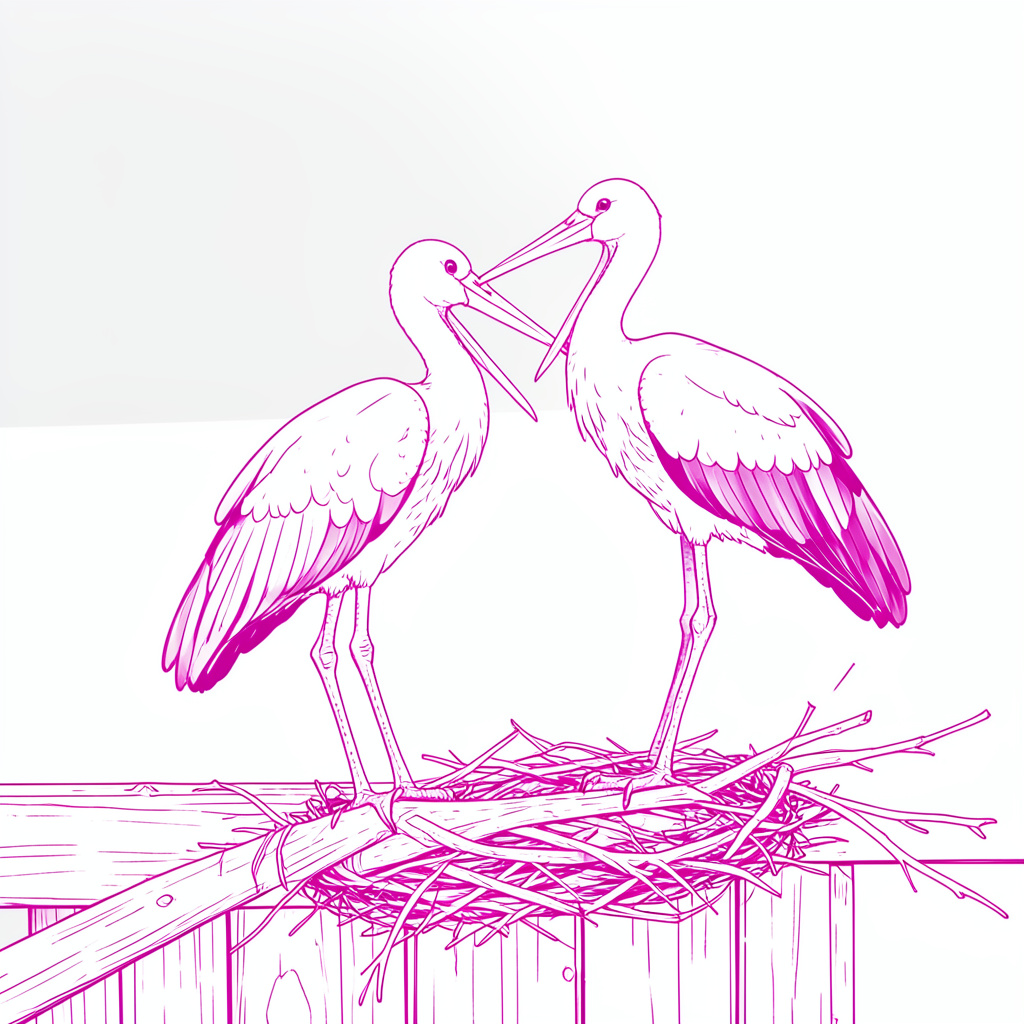
Tofield Snow Goose Chase
April 2016
Alberta Bird Lists →
Annual species lists from 2011 through 2018, tracking every bird spotted across the province.
Bird Conservation →
Citizen science projects, the Great Canadian Birdathon, and the WildResearch Alberta Nightjar Survey.
Birding Events →
Coverage of the Tofield Snow Goose Chase, Young Naturalists' Corner, and community gatherings.
Young Birder Resources →
Christmas Bird Count guides, CBC4Kids materials, and resources for new birders of all ages.
Explore the site
Whether you're looking for detailed Alberta species records, tips on bird identification, or news from the birding community, there's something here for every prairie bird enthusiast.
The Alberta Birds section archives year-by-year species counts — from 131 species in 2011 to a high of 175 in 2015. The Conservation category covers volunteer surveys and citizen science opportunities. Events highlights community involvement, and the Resources section is built especially for young birders getting started.
Check out the Birding News series for curated links and stories, or browse book reviews covering field guides and prairie birding literature from publishers like Greystone Books.