Stay in the loop
Occasional updates on prairie birding, new posts, and community happenings.
No spam, ever. Unsubscribe anytime.
Birding Grasslands National Park in Saskatchewan
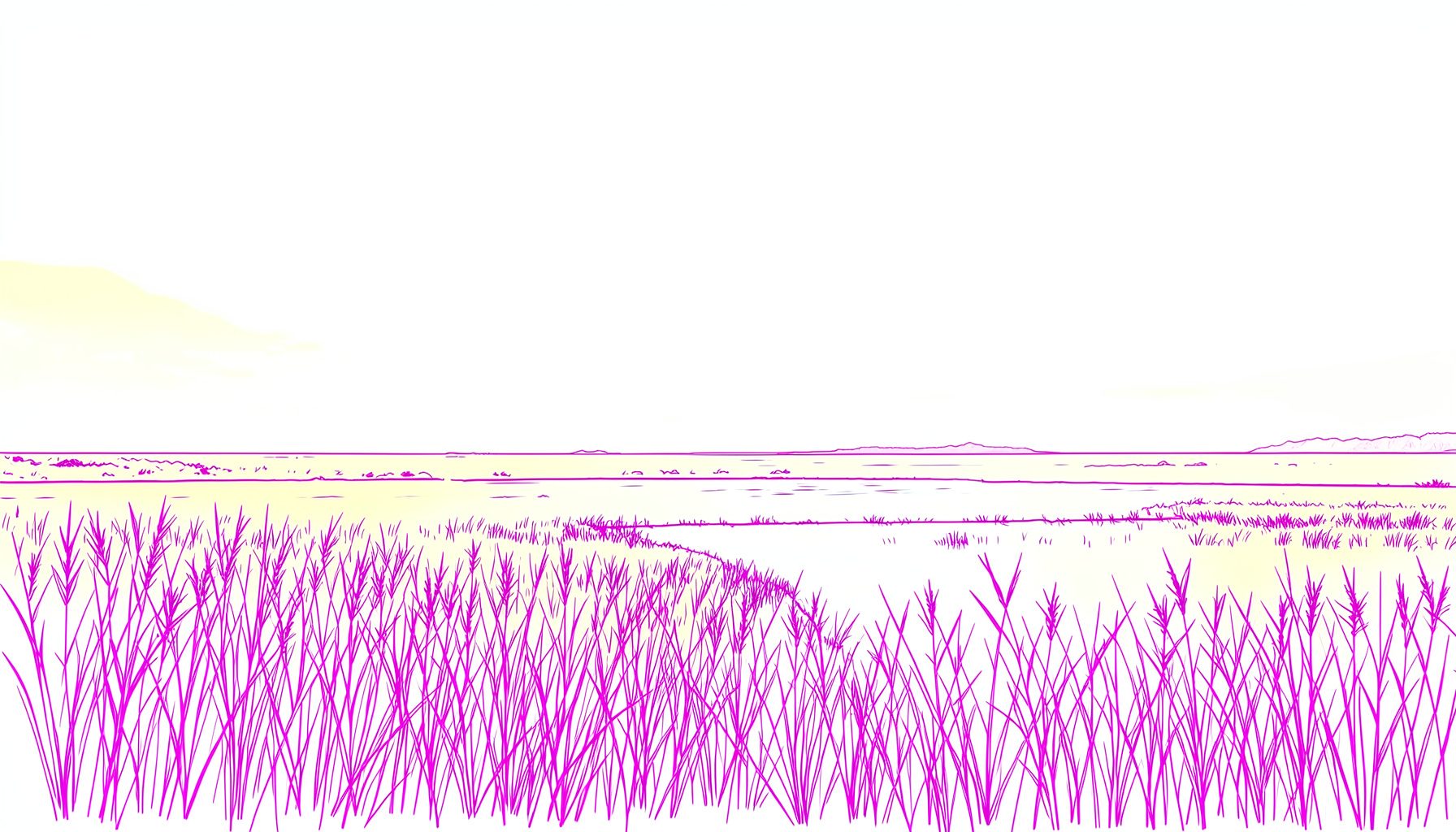
Grasslands National Park sits in southern Saskatchewan, close to Val Marie and the Manitoba border. It protects sweeping mixed-grass prairie, river valleys and small wetlands, creating one of western Canada’s most rewarding places to watch grassland birds.
The appeal lies in the contrast: immense open country, concentrated wildlife around water, and long seasonal movements between the prairie and the Arctic. A roadside stop can produce larks, pipits, longspurs, grouse or a hovering hawk.
Spring brings migrants and displaying birds; midsummer offers the best fine details; autumn wetlands pulse with shorebirds; winter reveals hardy raptors and mammals against snow. Each season rewards a different level of patience.
Australian visitors may recognise the openness of country beyond the wheatbelt, but the species, road scale and winter conditions are distinctly North American. Bringing those differences into focus makes a first visit easier to enjoy and more responsible.
Arriving in Saskatchewan’s prairie
Most visitors drive in from Val Marie, a small service town and the park’s practical base. Highway travel forms part of the birding rather than merely a route to it. Slow down on approach roads, scan fence lines for perched raptors and check open patches where pipits and meadowlarks settle.
Facilities and visitor programmes are seasonal, while fuel, groceries and accommodation are easier to find in town than inside the park. Personal accounts in prairie birding memories offer a useful reminder that weather and chance often shape the best encounters.
Identifying open-country birds
Grassland identification is a test of proportion and movement. Watch for Sprague’s Pipit’s upright walk, the low flight of larks and the sharp contrasts on longspurs. Western Meadowlark’s yellow breast can be visible at distance, yet the bird’s flight note and sharp-tailed grouse’s displays often give it away before fine markings appear.
Ferruginous Hawks favour open country, while Burrowing Owls sit low near their burrows. Scope carefully rather than trusting a silhouette. For separating similar North American birds, the practical illustrations and identification advice on Dr Ryan Llera’s site can be a valuable second reference after field notes.
Waterbirds along prairie edges
The park is more than dry grass. The Frenchman River valley and places such as Manyberries Lake attract ducks, geese, grebes, coots and migrating shorebirds. Spring pools and exposed mud can be especially productive after rain, when Baird’s Sandpipers and other waders probe soft edges.
Water concentrates birds, but it also concentrates traffic. Keep well back from muddy pull-offs and use established viewing areas. Scan opposite banks for bitterns, herons and passing raptors, then check reed margins for small movements that binoculars reveal.
Spring movement and breeding behaviour
May and early June offer the most dramatic movement. Arriving Sprague’s Pipits and other northern breeders sing before sunrise, often from fences or low shrubs. Sharp-tailed Grouse may perform communal displays on suitable ground, while the arrival of drakes and migrating geese adds colour to wetland margins.
Breeding activity makes subtle behaviour rewarding: a Pipit raising its tail, a Meadowlark defending a fence post, or a female grouse drawing attention away from a nest. Keep to marked areas, avoid playback near nests and never lift chicks, even when a rescue seems kind.
Weather, roads and winter birding
Summers are hot, windy and capable of producing sharp thunderstorms; carry water, sun protection and a windproof layer even when the forecast looks harmless. In spring and autumn, cold fronts can drop temperatures quickly. Wildlife such as bison and elk may occupy roads, so slow down rather than pressing past them.
Winter birding is quiet but rewarding. Snowy Owls and Rough-legged Hawks hunt over white ground, Ravens patrol woodlots, and tracks reveal activity before the animal appears. Roads may become slippery with black ice, and services are limited, so check conditions, fill the tank and tell someone your route.
Australian perspectives on prairie birding
Australian birders will recognise the visual rhythm of open country. Werribee Plains in Victoria, Fivebough Swamp in New South Wales and inland South Australia offer useful comparisons, but the species differ. A bird labelled simply a pipit needs care: Australia’s Pipit is not the same species as Sprague’s Pipit.
Canada drives on the right rather than the left; route signs use kilometres and temperatures are Celsius, so the units feel familiar. Snow and black ice are a bigger surprise for many southern Australian drivers. Australians call a productive location a “spot” and a day’s outing a “birding drive”; in Saskatchewan, the broad habitat itself is called prairie.
Australians are accustomed to organised birding around places such as Werribee Plains through clubs, specialist operators and regional tourism packages. Around Grasslands, scheduled interpretation and specialist guiding can be narrower, making self-driving from Val Marie a normal part of the experience and making advance planning more valuable.
A practical checklist and prairie memories
Success depends on carrying for a range of conditions and keeping observations useful. A compact kit and a simple field routine prevent poor weather or incomplete notes from spoiling the day.
Before leaving town, cover these essentials:
- 8x or 10x binoculars with a comfortable strap and lens cloth
- Water, food, sun protection and a warm windproof layer
- Charged phone, offline maps and a power bank
- Notebook or recording app, plus a spare battery
The same discipline applies to sightings. Note uncertain identifications honestly, record behaviour rather than only names, and respect distance. These details make later comparison with range maps and photographs more meaningful.
For observations worth keeping, capture:
- Time, location and weather conditions for each notable sighting
- Number seen, behaviour and habitat used
- A sketch of wing shape, bill or plumage where useful
- Special observations involving nests, predators or disturbance
Through a day at Grasslands, the prairie can seem immense and empty, then reveal a dozen bird identities in a few minutes. The memory to carry home is a sharpened habit of noticing habitat, movement and season together, with each sighting adding a piece to the whole.
// Latest Posts
Birding News #95 — Holiday Edition
December 2014
Tofield Snow Goose Chase
April 2016
Alberta Bird Lists →
Annual species lists from 2011 through 2018, tracking every bird spotted across the province.
Bird Conservation →
Citizen science projects, the Great Canadian Birdathon, and the WildResearch Alberta Nightjar Survey.
Birding Events →
Coverage of the Tofield Snow Goose Chase, Young Naturalists' Corner, and community gatherings.
Young Birder Resources →
Christmas Bird Count guides, CBC4Kids materials, and resources for new birders of all ages.
Explore the site
Whether you're looking for detailed Alberta species records, tips on bird identification, or news from the birding community, there's something here for every prairie bird enthusiast.
The Alberta Birds section archives year-by-year species counts — from 131 species in 2011 to a high of 175 in 2015. The Conservation category covers volunteer surveys and citizen science opportunities. Events highlights community involvement, and the Resources section is built especially for young birders getting started.
Check out the Birding News series for curated links and stories, or browse book reviews covering field guides and prairie birding literature from publishers like Greystone Books.