Stay in the loop
Occasional updates on prairie birding, new posts, and community happenings.
No spam, ever. Unsubscribe anytime.
Birding from a canoe on prairie lakes
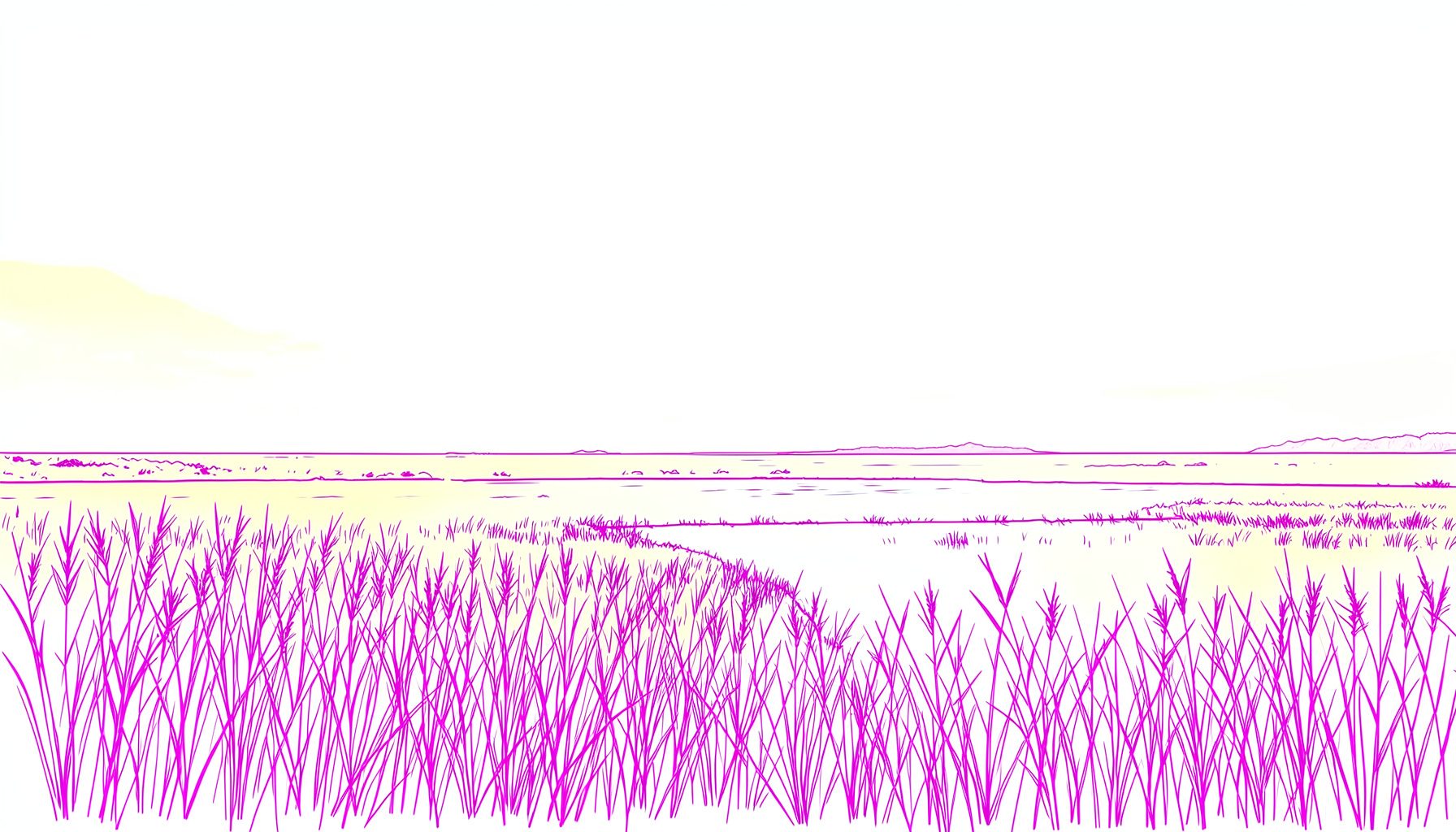
Early on a windless morning, a canoe sliding through a shallow prairie lake can feel less like a boat trip than a slow turn of a landscape page. Geese lift from the reeds, a grebe vanishes behind a ripple, and a sandhill crane calls from the stubble beyond the shore. The low viewpoint makes small movements unusually visible and rewards an unhurried paddle.
For Australian birders, the prairie scenery will be familiar in broad strokes: open water, reed margins and distant horizons recall the Murray-Darling Basin, the Coorong in South Australia, or wetlands around Mildura. The species are different, and so are the conditions surrounding cold water, private land and travel distances. This is a guide to birding by canoe, with that Australian perspective kept in mind.
Choosing water and timing
Prairie lakes are shallow, often ringed by cattails, willow and temporary marsh grass. Alberta, Saskatchewan and Manitoba hold excellent waterbird country, from the Cypress Hills and Qu’Appelle Valley to Last Mountain Lake, Duck Mountain and the Lake Winnipegosis region. Spring brings northern geese, cranes and diving ducks; late summer adds teal, gulls and waders to the exposed margins.
Choose a lake according to the birds and the forecast, not simply its attractive photograph. Shores used by nesting waterfowl may require extra distance, while mudflats and flooded fields attract feeding shorebirds. Check access carefully: some wetlands sit on private land, while provincial parks may require a pass or have launch rules. A licensed local guide can help with permissions and bird locations.
Before fixing an itinerary, compare recent sightings with current water levels and weather. I use Prairie Birder field notes to refine destination choices, then confirm practical details with park staff or outfitters. Early morning and the final hour before dusk usually offer the strongest light, but calm winds matter more than a tidy timetable. Australians accustomed to booking wetland trips through clubs or regional operators will find similar local channels here, with peak-season canoe hire and guiding worth arranging early.
Letting the canoe disappear
A canoe gives you a low, almost concealed position among feeding birds. Keep your torso below the gunwales, paddle with smooth strokes and avoid sudden noise. Position yourself with the wind where practical, since scent and sound carry across open water. Approach a flock slowly enough that it continues feeding rather than gathering for flight.
Use the boat to watch behaviour as well as collect list ticks. A resting grebe may be prospecting for food; a tightly packed group of golden plovers may be preparing to move. Learn the difference between relaxed feeding and alarm calls before getting close, and give birds a clear escape route. Never use recorded calls to draw a tired migrant into the open.
Many Australian birdwatchers already know the alert posture of egrets and spoonbills, so those species can provide useful comparisons. North American relatives and lookalikes still need field-mark practice. Keep a notebook beside the canoe and note direction of flight, habitat and behaviour; a brief observation without context can be much harder to identify later.
Reading birds along the shore
Work from broad features towards small ones: size, shape, stance, movement and then plumage. On a southern Alberta or southwestern Saskatchewan lake, watch for Cinnamon Teal among dabbling ducks, Eared Grebes and Western Grebes in open water, and Black-necked Stilts picking through the shallows. Sandhill Cranes often use nearby grassland, while Franklin’s Gulls gather around disturbed water.
A systematic field routine matters. Check one feature at a time instead of fixating on a flash of colour, an approach similar to reading a knitting chart: learn the symbols, work through the pattern and confirm the whole shape. For birds, confirm size, bill shape, wing pattern and habitat together. Keep a respectful distance from feeding and nesting flocks, particularly when tiny shorebirds crouch low.
Gear and skills for a safe outing
Australian outdoors experience prepares you for distance, but prairie conditions demand attention to cold. Wind can turn a flat lake into a rough crossing, and a splash in chilly water can cause hypothermia before the air feels especially cold. Check the forecast, watch for thunderstorms, wear a buoyancy aid, and stay with the boat if it capsizes. A short trip is better than a difficult paddle home.
On the water
- Wear a buoyancy aid and keep the whistle, bailer and bow line within reach.
- Carry a spare paddle for capable partners and a secure anchor for windier water.
- Use a dry bag for optics, phone and maps, clipped firmly inside the canoe.
At camp and in the field
- Dress in warm layers that can be removed, with a windproof outer shell.
- Bring water, high-energy snacks, insect repellent and a headlamp for late returns.
- Charge the phone, download offline maps and tell someone your route and return time.
Campground handovers may include the familiar Australian reminder to “BYO everything”, but remote prairie trips need more self-sufficiency than a casual lakeside outing. Fill the fuel tank, download maps, and plan for weak mobile coverage. A Canadian park pass covers the park named on it, not every adjacent farm wetland; obtain permission before crossing or launching on private property.
A field record worth keeping
Back at the farm or in a travel notebook, record more than names. Note wind direction, water depth, viewing distance and the species that moved first. Those details reveal why an outing worked and help separate genuine identification from a hopeful guess. Photos are useful, but behaviour, calls and habitat often provide the firmer memory.
The enduring appeal of canoe birding is the sense of entering a habitat without dominating it. A quiet boat lets the rhythm of the marsh become audible, from wingbeats to distant cranes. The lesson to remember is simple: patience reveals more, careful preparation protects both the observer and the birds, and every sighting gains meaning from the place and conditions around it.
// Latest Posts
Birding News #95 — Holiday Edition
December 2014
Tofield Snow Goose Chase
April 2016
Alberta Bird Lists →
Annual species lists from 2011 through 2018, tracking every bird spotted across the province.
Bird Conservation →
Citizen science projects, the Great Canadian Birdathon, and the WildResearch Alberta Nightjar Survey.
Birding Events →
Coverage of the Tofield Snow Goose Chase, Young Naturalists' Corner, and community gatherings.
Young Birder Resources →
Christmas Bird Count guides, CBC4Kids materials, and resources for new birders of all ages.
Explore the site
Whether you're looking for detailed Alberta species records, tips on bird identification, or news from the birding community, there's something here for every prairie bird enthusiast.
The Alberta Birds section archives year-by-year species counts — from 131 species in 2011 to a high of 175 in 2015. The Conservation category covers volunteer surveys and citizen science opportunities. Events highlights community involvement, and the Resources section is built especially for young birders getting started.
Check out the Birding News series for curated links and stories, or browse book reviews covering field guides and prairie birding literature from publishers like Greystone Books.