Stay in the loop
Occasional updates on prairie birding, new posts, and community happenings.
No spam, ever. Unsubscribe anytime.
What to Pack for a Day of Prairie Birding
A day on the Canadian prairie can begin in still, chilly air and finish beneath intense afternoon sun. Grasslands, wetlands, shelterbelts and grain fields may look open and simple, yet the best birding often involves long walks, uneven ground and sudden changes in weather. Packing well keeps attention on meadowlarks, harriers and shorebirds rather than sore feet or an empty water bottle.
For Australian birders travelling from Sydney, Melbourne, Brisbane or Perth, the biggest adjustment may be the scale of the landscape. A short-looking route on a map can involve hours between towns, limited mobile coverage and few places to buy lunch. Early starts are familiar to anyone used to escaping summer heat for a dawn walk, but prairie mornings can be genuinely cold, even in the warmer months.
A practical day pack should support quiet observation, personal safety and flexibility. Choose equipment that is light enough to carry for several hours, useful across habitats and easy to access without rummaging while a bird is perched in view.
Dress For Rapid Weather Changes
Layering is more useful than carrying one heavy jacket. Start with a breathable base layer, add a fleece or light jumper, and pack a windproof and waterproof outer shell. Prairie wind can make a mild forecast feel cold, while a sunny afternoon may call for rolled-up sleeves.
A broad-brimmed hat, sunglasses and sunscreen are just as valuable in Saskatchewan or Alberta as they are in an Australian reserve. Look for UPF clothing at outdoor shops such as Anaconda or Kathmandu, where Australian shoppers may already be familiar with lightweight hiking fabrics. Long trousers help with rough grass, ticks and insects, and neutral colours reduce visual disturbance.
Footwear should match the ground rather than the forecast alone. Waterproof hiking shoes suit muddy wetlands, while sturdy trail shoes may be enough on dry pasture tracks. Gaiters can keep seeds, dust and damp grass away from socks, especially when walking through prairie vegetation.
Carry Optics And Simple Field Tools
Binoculars are the essential item, with an 8x or 10x model offering a useful balance between magnification and stability. A compact spotting scope can reveal distant waterfowl or raptors, but it adds weight and usually works best when travelling by car between birding stops. Bring lens cloths, spare batteries and a small rain cover.
A field guide app is convenient, although printed notes or a regional guide remain valuable when reception disappears. Download maps and bird calls before leaving town, and keep a pencil and pocket notebook for recording time, habitat, behaviour and location. These details can be more useful later than a rushed photograph.
A phone can serve as camera, GPS, emergency contact and eBird recorder, so protect it with a power bank. Keep the device on silent and disable unnecessary alerts. For Australian visitors, downloading offline maps before leaving a city such as Calgary, Regina or Winnipeg avoids relying on familiar mobile habits in a much less connected landscape.
Plan Food, Water And Personal Comfort
Carry more water than seems necessary. A two-litre reusable bottle or hydration bladder is a sensible starting point for a full day, with extra capacity for hot conditions or remote routes. Prairie trails may have no drinking taps, and natural water should not be treated as safe without proper filtration and purification.
Pack food that survives being carried in a warm vehicle: sandwiches, wraps, fruit, trail mix and muesli bars work well. Australian travellers may instinctively look for a café or servo during a road trip, but rural Canadian stops can be widely spaced and may close early. A thermos of tea or coffee is welcome on a cold dawn, while a small rubbish bag keeps every wrapper out of the habitat.
Sun protection, lip balm, insect repellent and blister treatment deserve space in the side pockets. Add tissues, hand sanitiser and any personal medication. In mosquito-heavy wetlands, a head net can be more comfortable than repeatedly swatting insects and is light enough to justify carrying.
Prepare For Remote Roads And Protected Places
Before setting out, check the weather, road conditions, gate access and opening hours. Tell someone where you are going, particularly when visiting a remote quarter-section road, reserve or provincial park. A paper map and basic first-aid kit are sensible backups if a phone battery fails or a vehicle gets a flat tyre.
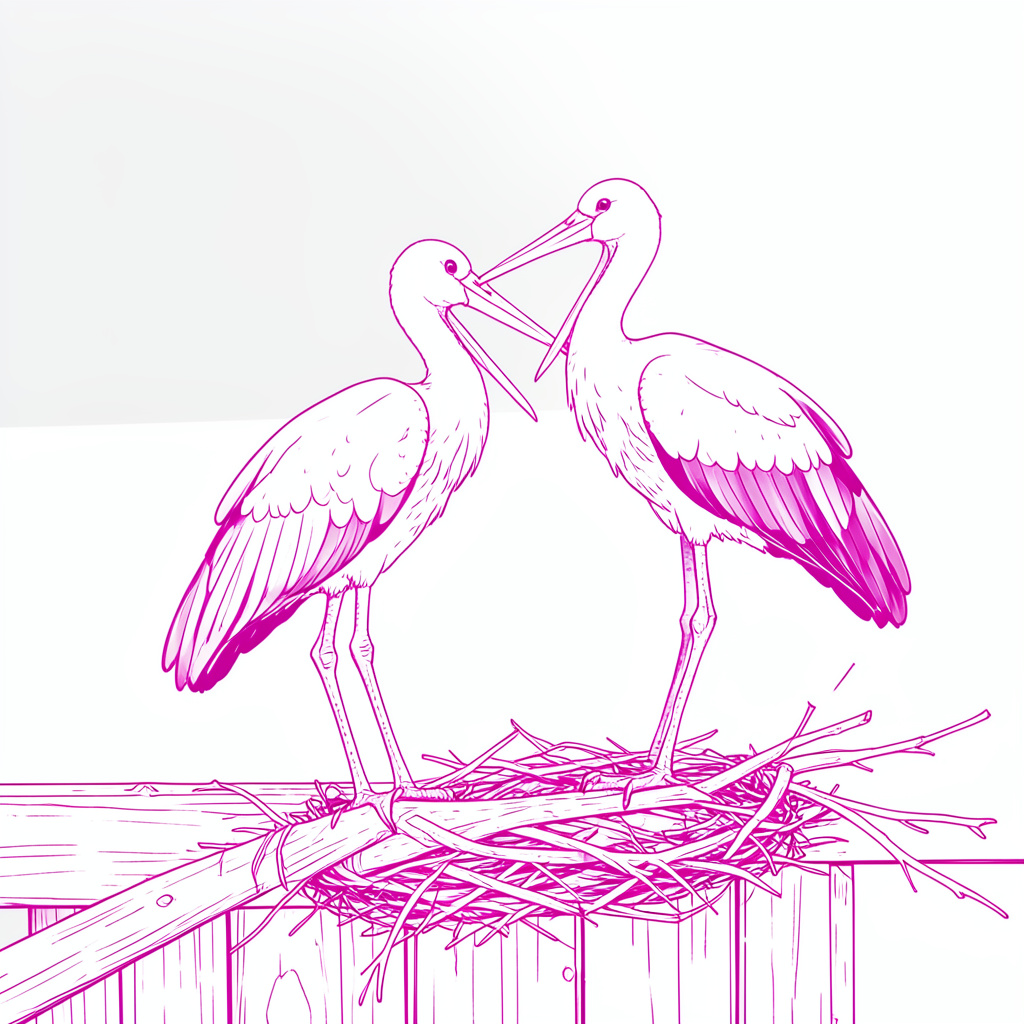
Respect access signs and property boundaries. Many productive birding locations sit beside working farms, grazing land or private wetlands, so never assume that an open-looking track is public. Fenced areas can concentrate birds while keeping livestock and visitors separated; this explanation of fenced enclosures shows why these modest-looking stops can be worth including in a route.
Canadian parks and reserves often have rules about drones, fires, camping, dogs and wildlife disturbance. Australian visitors should apply the same care they would in a national park at home: observe from a reasonable distance, leave nests and eggs alone, and keep dogs out of restricted habitat. Wildlife protection is governed by federal, provincial and territorial rules, so local signage matters more than assumptions based on regulations in New South Wales or Victoria.
Pack A Practical Day-Bag Checklist
A small, comfortable backpack with padded straps and several compartments makes frequent stops easier. Keep optics near the top, water where it can be reached without removing the bag, and fragile items in a soft pouch. A waterproof liner or dry bag protects notebooks, food and electronics from rain or a spilled drink.
Useful items include:
- Binoculars, lens cloth and a compact field guide
- Layered clothing, rain shell, hat and sunglasses
- Two litres of water, snacks and a small rubbish bag
- Phone with offline maps, power bank and emergency contacts
- Sunscreen, insect repellent, lip balm and personal medication
- First-aid supplies, tissues and hand sanitiser
- Notebook, pencil, camera and spare batteries
Australian travellers should also check airline and border requirements before packing food, camping equipment or biological material for the trip. Clean boots and gear thoroughly before moving between regions, since seeds, soil and plant matter can spread pests. Once on the prairie, follow local park notices rather than relying on routines from an Australian reserve.
Leave The Prairie Ready For Another Visit
The best pack is one that supports observation without turning birding into an equipment exercise. A heavy bag can discourage exploration, while an underprepared one may cut a promising outing short. Test the load on a local walk before travelling, and remove anything that has not proved useful.
Keep a small permanent birding kit ready, then adjust it for season and destination. Winter requires warmer insulation and traction; summer calls for extra water and insect protection; spring migration may justify a spotting scope and longer observation sessions. In every season, the practical essentials are the same: suitable layers, reliable optics, navigation, food, water and respect for the place.
For a full day of prairie birding, pack for the coldest likely morning, the brightest likely afternoon and a longer walk than planned, then keep the essentials accessible in a light, weather-resistant bag.
// Latest Posts

Birding News #95 — Holiday Edition
December 2014
Tofield Snow Goose Chase
April 2016
Alberta Bird Lists →
Annual species lists from 2011 through 2018, tracking every bird spotted across the province.
Bird Conservation →
Citizen science projects, the Great Canadian Birdathon, and the WildResearch Alberta Nightjar Survey.
Birding Events →
Coverage of the Tofield Snow Goose Chase, Young Naturalists' Corner, and community gatherings.
Young Birder Resources →
Christmas Bird Count guides, CBC4Kids materials, and resources for new birders of all ages.
Explore the site
Whether you're looking for detailed Alberta species records, tips on bird identification, or news from the birding community, there's something here for every prairie bird enthusiast.
The Alberta Birds section archives year-by-year species counts — from 131 species in 2011 to a high of 175 in 2015. The Conservation category covers volunteer surveys and citizen science opportunities. Events highlights community involvement, and the Resources section is built especially for young birders getting started.
Check out the Birding News series for curated links and stories, or browse book reviews covering field guides and prairie birding literature from publishers like Greystone Books.