Stay in the loop
Occasional updates on prairie birding, new posts, and community happenings.
No spam, ever. Unsubscribe anytime.
A beginner's guide to prairie bird habitats
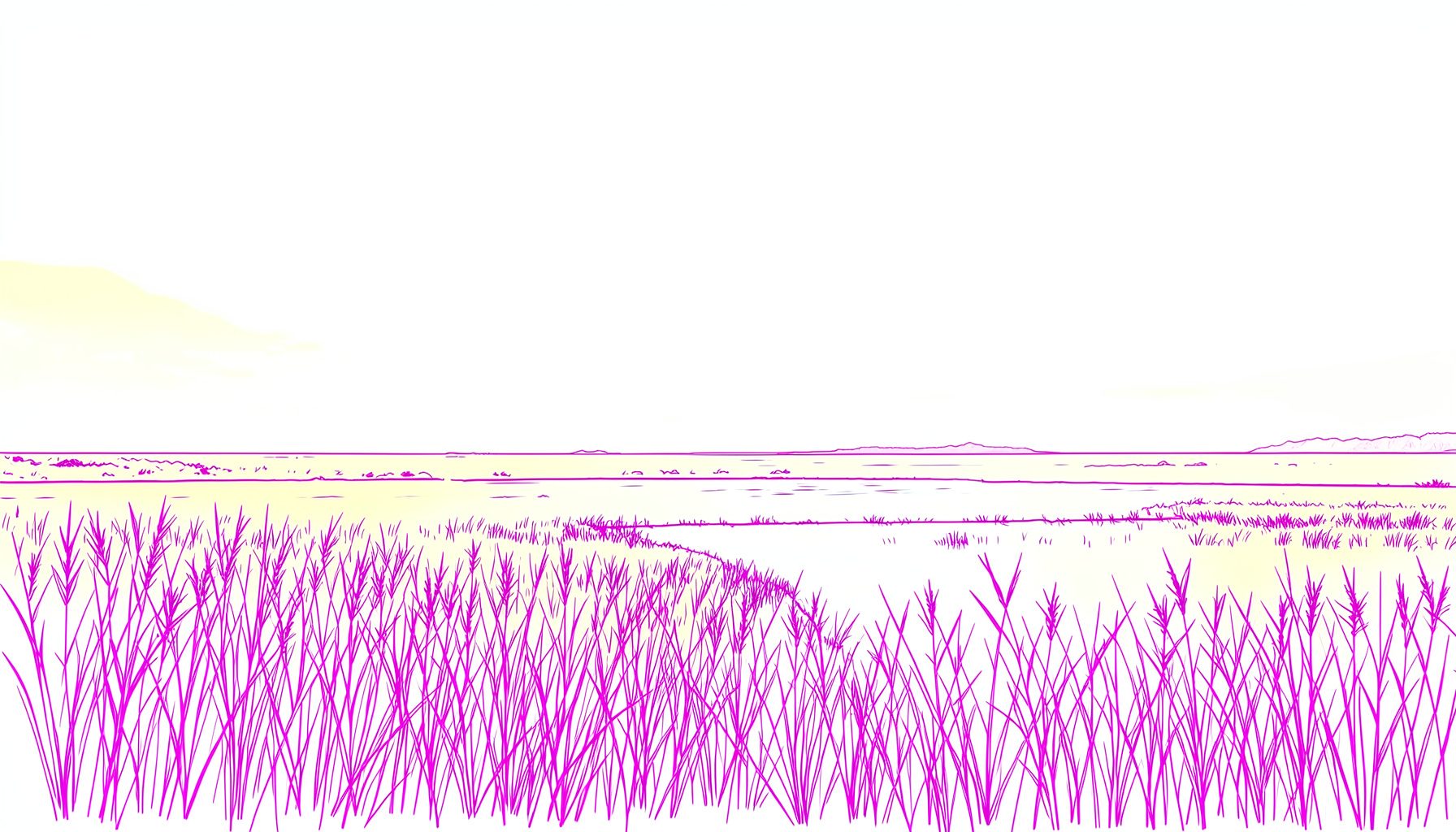
Prairie bird habitats are broad, open landscapes rather than a single type of country. Across the Canadian prairies, they include short-grass and mixed-grass prairie, native grassland, cropland, wetlands, shelterbelts and pockets of aspen. Each offers different combinations of food, cover and nesting sites, so learning the habitat often identifies a bird before its plumage does.
For Australian birders, the concept is familiar. The grasslands of western Queensland and western New South Wales offer useful comparisons, while Murray-Darling floodplains resemble prairie wetlands in some respects. Tropical savanna is different, however, and supports its own specialist birds rather than the grassland community found in Alberta, Saskatchewan and Manitoba.
Good prairie birding begins with looking for habitat features: open ground, fence lines, water, scattered trees or birds that suddenly drop from the sky. Staying with one habitat for several minutes is more productive than continually changing locations. A notebook, a field guide and a reliable pair of binoculars will help you connect those observations.
Reading the prairie landscape
Read the land in three layers. The ground layer includes native grass, exposed soil, prairie flowers and small depressions holding water. The vertical layer consists of fence posts, utility lines, shrubs and shelterbelts. Above them, the aerial layer provides perches for raptors, larks and other conspicuous birds. Each layer offers clues about what may be feeding or nesting nearby.
| Habitat | Likely species | What beginners should notice |
|---|---|---|
| Short and mixed-grass prairie | Sprague's pipit, horned lark, chestnut-collared longspur | Birds standing upright, singing from posts or flushing from the ground |
| Grassland and crop edges | Western meadowlark, burrowing owl, rusty blackbird | Fence lines, shrubs, old burrows and patches of tall vegetation |
| Shallow wetlands and potholes | American avocet, ducks, shorebirds | Exposed mud, water reflections and birds gathering in a tight group |
| Aspen and shrub patches | Warblers, vireos and tanagers | Leaf movement, mixed calls and birds disappearing into dense cover |
Begin at habitat edges, where open prairie meets water or shelter. These junctions attract more species than the middle of a field. Look for repeated movement, especially a bird landing near a post or repeatedly leaving the same patch of grass.
Grassland, farmland and shelterbelts
True grassland rewards patient scanning. Sprague's pipits may sing while hovering above the prairie, horned larks walk across bare ground and chestnut-collared longspurs breed where grass is short. Western meadowlarks are easier to locate by their carrying songs, while burrowing owls often sit low near conspicuous burrow entrances.
Agricultural country requires a slightly different approach. Cropland provides feeding areas, but cover may be limited. Check shelterbelts, drainage ditches, farm ponds, power poles and the edges of stubble fields. These places attract migrating songbirds as well as owls, corvids and raptors. Good places to begin include Carseland and Frank Lake in Alberta, Two Hills Migratory Bird Sanctuary and Grasslands National Park in Saskatchewan, and grassland sites around Manitoba's Interlake region.
Wetlands and the spaces between
Water is scarce across much of the prairie, making wetlands exceptionally productive. Prairie potholes are shallow basins formed by glacial action and spring snowmelt. They may look insignificant on a map, yet thousands of ducks, geese and shorebirds can use them during migration. At Last Mountain Lake in Saskatchewan, exposed flats also provide habitat for American avocets and other waders.
Watch the shoreline as closely as the water. Mud-loving birds probe in shallow margins, while blackbirds forage in wet vegetation nearby. Compare the two habitats through binoculars before identifying every bird. A scope becomes useful when a flock remains far across the water, particularly at large reserves such as Grasslands National Park, where a good viewing position can save considerable walking.
Seasons change the bird list
From April into early summer, the prairie becomes a nesting landscape. Territorial songs reveal small birds that would otherwise remain hidden in grass. Dawn offers the best light, cooler air and often stronger song activity. Keep a respectful distance from perched birds and never use recorded calls near an active nest, as playback can draw adults away from eggs or chicks.
Later in the year, the bird list shifts toward migration. Geese and ducks gather around remaining wetlands, while grassland songbirds move south in flocks. Winter reveals large numbers of rough-legged hawks, snowy owls and wintering larks on open ground. Weather can change quickly, so allow time for an unexpected snow shower to close trails or make roads slippery.
Lessons from Australian grassland birding
The closest Australian parallels are the Mitchell grass Downs around Quilpie in western Queensland, mixed-grass country in western New South Wales and floodplain margins in the Murray-Darling basin. These places share broad skies, distant horizons and birds that are difficult to see against the ground. Northern Australian savanna, with its monsoonal woodland and tropical birdlife, requires different skills.
Australia's birding tourism market often combines self-drive holidays, farm stays, caravan parks and small-group tours. Operators may advertise a “birding trip,” while experienced birders talk about “working a local patch” or “chasing a lifer.” Canadian operators offer a similar mix of guiding, vehicle access and accommodation. The habitat notes in Prairie Birder observations provide a useful Canadian reference when matching Australian grassland species to their prairie counterparts.
Travel realities also overlap. Distances between birding sites can be considerable, fuel and water should be carried, and mobile reception may disappear beyond major towns. Queensland's summer heat and Alberta's winter cold demand different clothing, but both require planning. Like Australian rural areas, prairie farmland may be private working land. Close gates behind you, ask before crossing driveways and keep dogs under control around livestock and nesting birds.
A practical kit for first-time birders
Bring binoculars in the 8x42 or 10x42 range, a field guide or trusted birding app, and a notebook for recording habitat as well as species. A spotting scope is optional but valuable at wetlands. Wear layers suitable for wind, add a wide-brimmed hat and sunscreen for exposed grasslands, and use sturdy footwear for muddy margins. Always carry water, spare food and a charged phone, even when visiting a managed reserve.
Respect nesting and feeding birds by staying on public paths, keeping back from water edges and avoiding repeated approaches to a distant flock. Record the date, location, habitat and weather with each observation; these details turn a brief sighting into useful field evidence. The most practical takeaway for a first outing is to choose one grassland trail and one wetland, spend at least an hour in each, and compare the birds using the structure of the habitat rather than colour alone.
// Latest Posts
Birding News #95 — Holiday Edition
December 2014
Tofield Snow Goose Chase
April 2016
Alberta Bird Lists →
Annual species lists from 2011 through 2018, tracking every bird spotted across the province.
Bird Conservation →
Citizen science projects, the Great Canadian Birdathon, and the WildResearch Alberta Nightjar Survey.
Birding Events →
Coverage of the Tofield Snow Goose Chase, Young Naturalists' Corner, and community gatherings.
Young Birder Resources →
Christmas Bird Count guides, CBC4Kids materials, and resources for new birders of all ages.
Explore the site
Whether you're looking for detailed Alberta species records, tips on bird identification, or news from the birding community, there's something here for every prairie bird enthusiast.
The Alberta Birds section archives year-by-year species counts — from 131 species in 2011 to a high of 175 in 2015. The Conservation category covers volunteer surveys and citizen science opportunities. Events highlights community involvement, and the Resources section is built especially for young birders getting started.
Check out the Birding News series for curated links and stories, or browse book reviews covering field guides and prairie birding literature from publishers like Greystone Books.