Stay in the loop
Occasional updates on prairie birding, new posts, and community happenings.
No spam, ever. Unsubscribe anytime.
Five Alberta birding destinations worth the flight
Alberta offers an unusually broad birding journey, from prairie potholes and alkaline lakes to mountain valleys and cottonwood-lined coulees. A single trip can produce waterfowl, shorebirds, grassland specialists, raptors and high-country species, often within a few hours’ drive of Calgary or Edmonton.
For Australian birders, the timing takes some thought. Alberta’s summer is the main field season, while Australian winter is often the easiest time to travel. This guide to the Top Five Birding Destinations in Alberta combines productive habitats with practical details for visitors bringing binoculars from Sydney, Melbourne, Brisbane or further afield.
Elk Island National Park
Elk Island National Park is one of the most accessible places to begin an Alberta birding trip. Located east of Edmonton, it protects aspen parkland, lakes, marshes and open grassland, with excellent roads and walking trails. Astotin Lake is a reliable area for waterfowl, including American Wigeon, Ruddy Duck, Red-necked Grebe and occasionally Tundra Swan.
The park’s bison are an added attraction, but the bird list is the real reason to linger. Look for Yellow-headed Blackbird in wet margins, Franklin’s Gull over the lakes and sparrows in the aspen understory. Early mornings are especially rewarding, before the trails become busy and the light grows harsh.
Beaverhill Lake
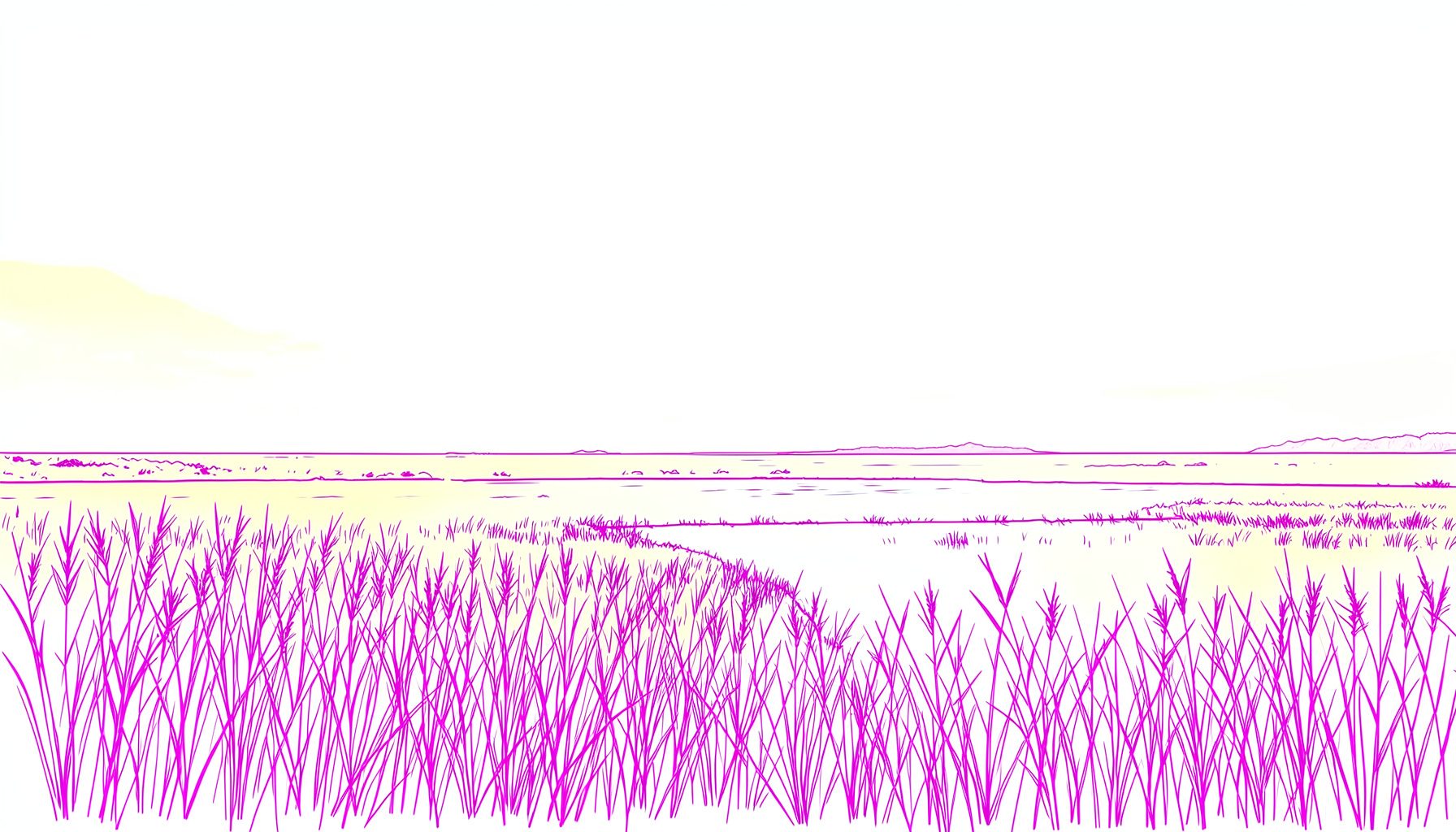
Beaverhill Lake, east of Edmonton, is a renowned prairie wetland and an important staging area for migratory birds. Water levels change from year to year, so the shoreline can look very different between visits. When conditions are favourable, mudflats attract American Avocet, Wilson’s Phalarope, Long-billed Dowitcher and large numbers of ducks and geese.
This is a place where patience and a telescope can make a substantial difference. Scan open water for Horned Grebe and Black Tern, then check fence lines and nearby grassland for raptors and passerines. There are fewer visitor facilities than at a national park, so carry water, food and suitable sun protection.
Frank Lake Conservation Area
Frank Lake lies south of Calgary and is a practical stop for travellers combining prairie birding with the city, the foothills or a drive towards the Rocky Mountains. Its wetlands and surrounding grasslands support impressive concentrations of shorebirds during migration. American Avocet, Marbled Godwit, Black-necked Stilt, White-faced Ibis and Wilson’s Phalarope are among the possibilities.
The lake is particularly useful for Australian visitors with limited time because it can fit into a half-day outing. Check access conditions before setting out, as water levels, seasonal restrictions and road conditions influence where you can safely stop. A spotting scope is valuable across the broad, exposed wetland.
Waterton Lakes National Park
Waterton Lakes brings mountain birding into the itinerary. The park’s grasslands, lakes, forests and alpine slopes create a sharp contrast with the prairie wetlands farther north. Around Waterton townsite and the lower valleys, watch for Western Tanager, Mountain Bluebird, Townsend’s Solitaire, Clark’s Nutcracker and Golden Eagle.
The best approach is to combine short walks with quiet roadside scans. Cameron Lake, Red Rock Canyon and the Chief Mountain Highway each offer different habitats, although weather can change quickly. Australian bushwalkers will recognise the appeal of carrying layers, sturdy footwear and a packed lunch, but remember that snow can remain in high areas well into the warmer months.
Writing-on-Stone Provincial Park
Writing-on-Stone Provincial Park protects a striking stretch of Milk River valley in southern Alberta. Sandstone hoodoos, prairie grassland and mature cottonwoods support birds that are less likely around the northern wetlands. Prairie Falcon, Say’s Phoebe, Rock Wren, Lark Sparrow and Lazuli Bunting are among the species worth searching for.
The park is also an important cultural landscape, so stay on marked routes and respect restricted areas. Dawn and late afternoon bring the most comfortable temperatures and liveliest bird activity. The dry terrain may look familiar to visitors from inland Australia, but the species, long summer evenings and sudden weather shifts make it a very different field experience.
Plan around distance, weather and daylight
Alberta is vast, and a map can understate driving times. A route combining Calgary, Frank Lake, Waterton and Writing-on-Stone is more realistic than trying to add Edmonton and Beaverhill Lake without allowing extra days. Australian travellers should also account for the long flight from Sydney or Melbourne, a rental car, and the possibility of jet lag during the first dawn starts.
Australian spring corresponds roughly to Alberta’s autumn, so June to August is usually the simplest period for a first visit. July offers long daylight, but popular parks and accommodation can be busy. Before leaving your lodging, check:
- Alberta Parks and Parks Canada access notices
- Wildfire smoke, fire bans and road conditions
- Sunrise times and forecast wind
- Seasonal trail or conservation-area closures
Practical habits make fieldwork more comfortable. Pack layers rather than relying on one warm jacket, and carry insect repellent for marshes. A wide-brimmed hat familiar to an Australian birder is useful, while binocular harnesses help during long walks. In remote areas, fill the vehicle before the tank is low; a small-town servo may be many kilometres away.
For food and equipment, a supermarket brekkie is often faster than waiting for a café to open before a dawn survey. A rental ute is unnecessary for most maintained roads, though higher-clearance vehicles can be helpful after heavy rain. Download offline maps and keep both eBird Australia and the international eBird app updated so sightings and checklists remain easy to manage.
Shape a route that leaves room for observation
A productive Alberta itinerary should include habitat variety rather than simply collecting locations. Elk Island and Beaverhill Lake work well together in the Edmonton region, while Frank Lake can be paired with Calgary. Waterton and Writing-on-Stone deserve separate time because each involves long drives and rewards slower exploration.
The most memorable sightings often happen between named destinations: a roadside pond, a fence post holding a hawk or a cottonwood grove beside a river. Keep a flexible day in the schedule for returning to a promising wetland or waiting for better light. That approach suits the spacious prairie landscape and avoids turning the trip into a checklist of hurried stops.
Before booking accommodation, mark Elk Island, Beaverhill Lake, Frank Lake, Waterton Lakes and Writing-on-Stone on an offline map, then allow at least one full morning at each site.
// Latest Posts
Birding News #95 — Holiday Edition
December 2014
Tofield Snow Goose Chase
April 2016
Alberta Bird Lists →
Annual species lists from 2011 through 2018, tracking every bird spotted across the province.
Bird Conservation →
Citizen science projects, the Great Canadian Birdathon, and the WildResearch Alberta Nightjar Survey.
Birding Events →
Coverage of the Tofield Snow Goose Chase, Young Naturalists' Corner, and community gatherings.
Young Birder Resources →
Christmas Bird Count guides, CBC4Kids materials, and resources for new birders of all ages.
Explore the site
Whether you're looking for detailed Alberta species records, tips on bird identification, or news from the birding community, there's something here for every prairie bird enthusiast.
The Alberta Birds section archives year-by-year species counts — from 131 species in 2011 to a high of 175 in 2015. The Conservation category covers volunteer surveys and citizen science opportunities. Events highlights community involvement, and the Resources section is built especially for young birders getting started.
Check out the Birding News series for curated links and stories, or browse book reviews covering field guides and prairie birding literature from publishers like Greystone Books.