Stay in the loop
Occasional updates on prairie birding, new posts, and community happenings.
No spam, ever. Unsubscribe anytime.
Prairie birds in a changing climate
Grassland birds live in the open, where changes in soil, snow or insect timing can alter a breeding season. The future of prairie birds in a changing climate is a question of connected habitats, not warmer averages. Prairies remain places of movement and refuge, and farm-track details can reveal pressures broad climate figures hide.
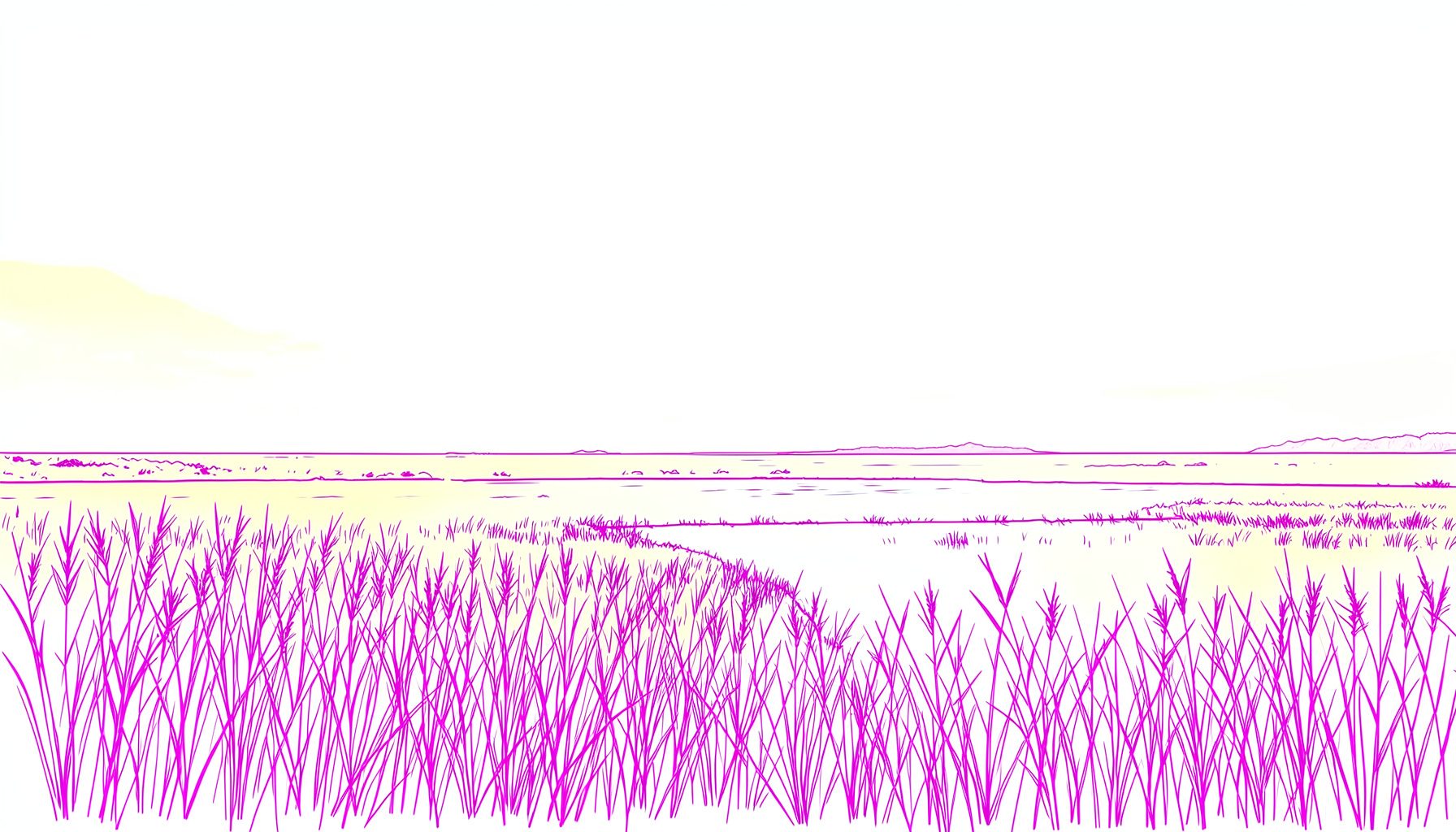
On trips through Saskatchewan wheat country and Manitoba’s mixed-grass parks, signs can be subtle: larks singing before snow clears, drought-cracked nesting cover, or curlews arriving after insect hatches shift. Repeated notes separate an unusual morning from a trend. Weather, grazing, fire and crop choices belong in the record because birds respond to the whole landscape.
For Australian readers, these observations offer comparisons without pretending the landscapes are identical. Canadian prairies and Australian grasslands differ in soils, plants, species and history, while southern seasons run in the opposite direction. Dry heat, erratic rain, fire and compressed breeding calendars create familiar pressures, but assumptions should travel carefully.
Warming changes the rhythm of prairie life
Across Alberta, Saskatchewan and Manitoba, warming alters more than temperature. Rainfall is less predictable, with dry spells alongside intense storms, while snowmelt and soil moisture shift through the year. These changes magnify pressure from grassland conversion and intensive farming. A wet spring may flood nesting cover; a hot, dry summer may leave insects sparse and chicks exposed.
Birds read the landscape through timing. Warmth can advance leafing, insect emergence and migration, but a late frost may still catch a nest. If prey peaks no longer match chick demand, condition and survival can fall. Pairing observations of such mismatches with weather and habitat notes is especially valuable for specialists whose food peaks are narrow.
Breeding birds face narrower windows
Ground nesters face added exposure. Sprague’s pipit, chestnut-collared longspur, vesper sparrow and horned lark need low vegetation for feeding, concealment and the right insects at the right time. Heavy rain can flood nests; heat can bake eggs; drought can remove cover. Burrowing owls and ferruginous hawks depend on nearby burrows, rodents and open hunting ground.
Management can soften some pressure. Retaining native prairie, wetlands and ungrazed patches gives birds choices as conditions change. Planned grazing, fire and mowing can prevent every patch from becoming bare during the hottest period. The aim is a varied mosaic, so a failed nest in one place does not define the whole season.
Drought, wildfire and recovery
Fire has a reputation as a simple villain, yet prairie ecosystems include fire-adapted plants and fire-sensitive nesting sites. Light, patchy burns can recycle nutrients and create varied feeding conditions. Severe, frequent fires during breeding are another matter, killing adults, stripping cover and reducing insect communities. Climate change matters through its influence on fuel dryness and fire frequency.
Recovery depends on what follows. Healthy native prairie can restore plants and insects after moderate disturbance, while degraded soil takes longer. Heavy downpours may wash exposed ground into gullies. Retaining lower vegetation, monitoring burn dates and protecting unburned refuges help keep grassland varied across dry and wet cycles.
Migration keeps its own calendar
Migration can absorb some climatic change, but not without cost. Whooping cranes, sandpipers and other long-distance travellers depend on wetlands, fields and stopover sites. If spring advances at northern breeding grounds while ice and food remain late farther south, birds may arrive in poor condition or face a compressed journey. Drainage and conversion remove spare places when one route segment fails.
Timing notes around Alberta wetlands and Saskatchewan staging areas can reveal earlier arrival, longer stays or changed site use. Such shifts are not a simple win. Moving north may reduce heat but limit food; moving east or south may preserve habitat but disrupt feeding partnerships. Flexible landscapes give migration room to reroute.
What Australian birdos can recognise
Australian birders, often called birdos, recognise open country. The Werribee Plains in Victoria and grasslands around North Yorke Peninsula in South Australia provide a local lens, with raptors, pipits and finches using farms and roadside reserves. Australia’s seasons are reversed, yet heat, drought and sudden rain strain grassland nesters similarly. Each species still belongs in its own ecosystem.
Access is another shared lesson. In Australian station country, slow near livestock, leave gates as found and ask before leaving a vehicle. Farms may offer campgrounds or paid tours, while councils promote birding routes. Where birding routes lie on Aboriginal Country, working with Traditional Owners and ranger programs respects stewardship and local knowledge. These are features of the Australian birding market.
Aussie birding talk stays casual—“going for a spot,” checking a patch or chasing a good photo—yet records need discipline. For anyone bringing a dog on a long birding trip, advice on gradual puppy independence can help a young pup learn to wait safely during extended drives. On remote outings, water, shade and secure footing matter for the dog too.
Making useful records on working land
Useful records do not need elaborate equipment. At each stop, note the date, weather, habitat, management and birds seen, then mark unusual timing with care. Repeat visits reveal local patterns that one outing cannot. Apps, local counts and observations shared with conservation groups can turn a farm’s field diary into evidence about shifting seasons and grassland condition.
Working land can also support resilience. Native strips, wetlands, fenced grasslands, varied grazing and delayed mowing during nesting can preserve feeding and shelter. Birding tours, accommodation and demonstration farms can add rural income, provided land access and habitat needs come first. Climate-ready grasslands are productive landscapes as well as places of refuge.
| Climate pressure | Likely field signal | Helpful response |
|---|---|---|
| Hotter, drier spells | Sparse cover; low insect activity | Retain varied native vegetation and water |
| Earlier springs | Early leafing and migration | Track dates; protect late-breeding sites |
| Intense downpours | Flooded nests; exposed soil | Maintain wetlands and ungrazed refuges |
| Severe fire cycles | Burned nesting cover; food gaps | Use patchy fire carefully; monitor recovery |
Prairie birds are built for variability, but change becomes dangerous when heat, drought, fire and habitat loss coincide. Native prairie, wetlands and connected landscapes let birds adjust, move and recover. Monitoring nests, arrivals and insect peaks turns ordinary farm observations into meaningful climate evidence.
What should remain in the field notebook is bigger than one species: functioning grassland must change without losing the places birds need to feed, hide, breed and survive. Protecting that capacity is the essential measure of prairie birding’s future.
// Latest Posts
Birding News #95 — Holiday Edition
December 2014
Tofield Snow Goose Chase
April 2016
Alberta Bird Lists →
Annual species lists from 2011 through 2018, tracking every bird spotted across the province.
Bird Conservation →
Citizen science projects, the Great Canadian Birdathon, and the WildResearch Alberta Nightjar Survey.
Birding Events →
Coverage of the Tofield Snow Goose Chase, Young Naturalists' Corner, and community gatherings.
Young Birder Resources →
Christmas Bird Count guides, CBC4Kids materials, and resources for new birders of all ages.
Explore the site
Whether you're looking for detailed Alberta species records, tips on bird identification, or news from the birding community, there's something here for every prairie bird enthusiast.
The Alberta Birds section archives year-by-year species counts — from 131 species in 2011 to a high of 175 in 2015. The Conservation category covers volunteer surveys and citizen science opportunities. Events highlights community involvement, and the Resources section is built especially for young birders getting started.
Check out the Birding News series for curated links and stories, or browse book reviews covering field guides and prairie birding literature from publishers like Greystone Books.