Stay in the loop
Occasional updates on prairie birding, new posts, and community happenings.
No spam, ever. Unsubscribe anytime.
How to Deal With Wind When Birding the Plains
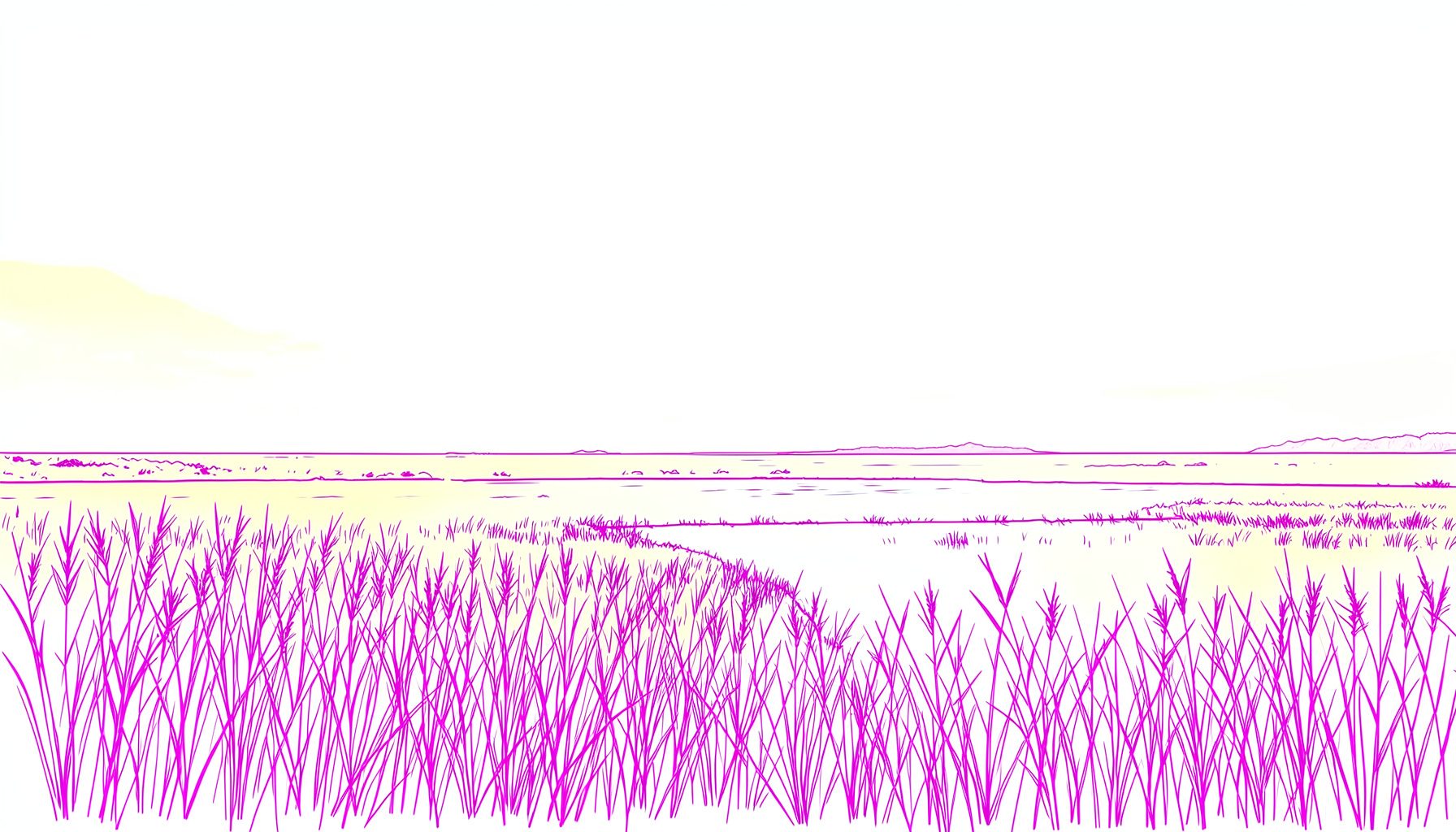
Wind is part of the plains experience. Across Alberta, Saskatchewan, and Manitoba, a calm-looking morning can turn into a stiff crosswind by late morning, carrying dust across fields and making every distant bird seem to vanish. Australian birders know the same frustration from open country around the Werribee wetlands, the Victorian Mallee, or the grasslands west of Canberra: there is nowhere for the air to break.
A windy day does not have to become a write-off. It changes where birds shelter, how you scan the landscape, and which field marks are worth trusting. With a few adjustments to timing, clothing, optics, and expectations, strong wind can reveal behaviour that is easy to miss in still conditions.
Read The Wind Before You Leave
Start with the forecast rather than relying on the temperature. Wind speed, gusts, direction, and the hour they are expected to peak all matter. A steady 20 km/h breeze may be manageable, while sudden 45 km/h gusts can make a long lens, tripod, or scope tiring and unstable. In Australia, the Bureau of Meteorology’s local warnings and fire-danger information are especially important when hot northerlies are forecast.
Look at the landscape on a map. A line of poplars, shelterbelt, creek bank, farm buildings, or a shallow coulee can create a quiet pocket on the lee side. In prairie country, roads running perpendicular to the wind often provide better viewing than exposed field edges. Around Australian reserves, a patch of casuarinas, mallee, or dense eucalypt growth may offer the same relief.
Wind direction also helps predict bird movement. Insects can be blown into sheltered vegetation, and small birds may gather along the downwind side of shrubs. Raptors frequently use gusts along ridges and field margins, while shorebirds may leave exposed mud and settle in protected corners of a wetland.
Choose Shelter Over Distance
On a blustery day, the best birding spot is rarely the one with the longest view. Work the sheltered edge of a wetland, woodland, shelterbelt, or creek rather than walking straight into an open paddock. Birds conserve energy in poor weather, so they often sit low in vegetation, face into the wind, or move between small pockets of cover.
This is useful for grassland species that can otherwise be difficult to approach. Look along the protected side of fence lines for sparrows, pipits, larks, and buntings. Scan the bases of shrubs instead of just their tops. In Canadian prairie habitat, Sharp-tailed Grouse and Long-billed Curlews may stay close to low cover; in Australian grasslands, Stubble Quail, pipits, and Brown Songlarks can become easier to detect when they avoid exposed ground.
Wetlands deserve a different strategy. Wind roughens the water and makes distant ducks hard to identify, but it can push floating birds towards a sheltered shoreline. Set up where the wind is behind you or over one shoulder. That position reduces glare, keeps your face warmer, and gives your binoculars a steadier view.
Make Your Optics Windproof
Keep binoculars close to your body until you are ready to use them. A neck strap can swing in gusts, and a scope mounted high on a tripod may vibrate with every stronger burst. Spread the tripod legs low and wide, hang a small bag from the centre hook, and avoid extending the centre column. If the wind is severe, binoculars may produce more useful observations than a telescope.
Image stabilisation can be helpful for long views, though it will not solve every problem. Brace your elbows against your ribs, lean into a fence post, or rest the binoculars lightly against your brow. Watch for movement rather than forcing a sharp view of every bird. Shape, flight style, call, habitat, and flock behaviour can often provide a reliable identification when feathers are blurred.
A phone camera may struggle in a crosswind, especially through a scope. Record a short video instead of taking repeated still photographs, and protect the microphone from buffeting with a small wind muff. For sound recording, stand behind vegetation or a vehicle, but keep the engine off and avoid approaching birds simply to improve the audio.
Dress For Exposure And Safety
Wind strips heat quickly, even on a mild day. A thin base layer, warm mid-layer, and windproof outer shell are more versatile than one bulky jacket. Add a beanie or buff, and use gloves that still allow you to adjust focus. Australian birders heading into the high country or southern plains may need the same layers on a winter morning, while a summer outing can call for sun protection, water, and lightweight clothing that dries quickly.
Dust is another concern on unsealed roads and dry paddocks. Keep lenses capped when walking, carry a cloth in a sealed bag, and avoid changing batteries or memory cards in blowing grit. In the Australian bush, check whether strong winds have increased fire danger before entering grassland or woodland. A park closure, total fire ban, or fallen branch risk takes priority over a hoped-for species.
Wind can also make navigation harder. Familiar tracks look different when visibility is reduced by dust or rain. Tell someone where you are going, carry offline maps, and keep enough fuel and water for a delayed return. This is sensible for a day at the Western Treatment Plant near Melbourne, just as it is on a remote prairie grid road in Saskatchewan.
Let Behaviour Guide The Day
Windy conditions reward patience, but patience does not mean standing in one exposed place for hours. Move in short stages between sheltered observation points. Spend ten minutes listening, scanning, and watching the nearest vegetation before deciding whether the site is productive. Birds may be present but quiet, especially when calls are carried away or drowned by grass and leaves.
Flight can be especially informative. Kestrels, harriers, hawks, and falcons may quarter into the wind, hover briefly, or use turbulence along a treeline. Swallows and martins often feed where insects collect on the sheltered side of cover. Watch how a bird handles the air: a soaring raptor, a low direct flight, and a fluttering bird dropping into grass each suggest different possibilities.
Wind also changes conservation stories. Species that depend on scattered shrubs and open grassland need secure shelter during nesting and feeding. The Loggerhead Shrike decline is a reminder that seemingly ordinary fence lines, hedges, and thorny vegetation can be valuable habitat. Recording where birds seek refuge, rather than only where they are easiest to photograph, adds useful detail to a field note.
A windy outing can finish with a shorter list but a richer understanding of the landscape. Note the wind direction, approximate strength, sheltered habitats, and bird responses in your journal or eBird entry. Over time, these observations reveal which sites remain productive in rough weather and which are better saved for a calm morning.
Before your next plains outing, check the wind forecast, mark one sheltered location on the map, and pack a windproof layer before leaving home.
// Latest Posts
Birding News #95 — Holiday Edition
December 2014
Tofield Snow Goose Chase
April 2016
Alberta Bird Lists →
Annual species lists from 2011 through 2018, tracking every bird spotted across the province.
Bird Conservation →
Citizen science projects, the Great Canadian Birdathon, and the WildResearch Alberta Nightjar Survey.
Birding Events →
Coverage of the Tofield Snow Goose Chase, Young Naturalists' Corner, and community gatherings.
Young Birder Resources →
Christmas Bird Count guides, CBC4Kids materials, and resources for new birders of all ages.
Explore the site
Whether you're looking for detailed Alberta species records, tips on bird identification, or news from the birding community, there's something here for every prairie bird enthusiast.
The Alberta Birds section archives year-by-year species counts — from 131 species in 2011 to a high of 175 in 2015. The Conservation category covers volunteer surveys and citizen science opportunities. Events highlights community involvement, and the Resources section is built especially for young birders getting started.
Check out the Birding News series for curated links and stories, or browse book reviews covering field guides and prairie birding literature from publishers like Greystone Books.