Stay in the loop
Occasional updates on prairie birding, new posts, and community happenings.
No spam, ever. Unsubscribe anytime.
The Sandhill Crane Migration Through Saskatchewan
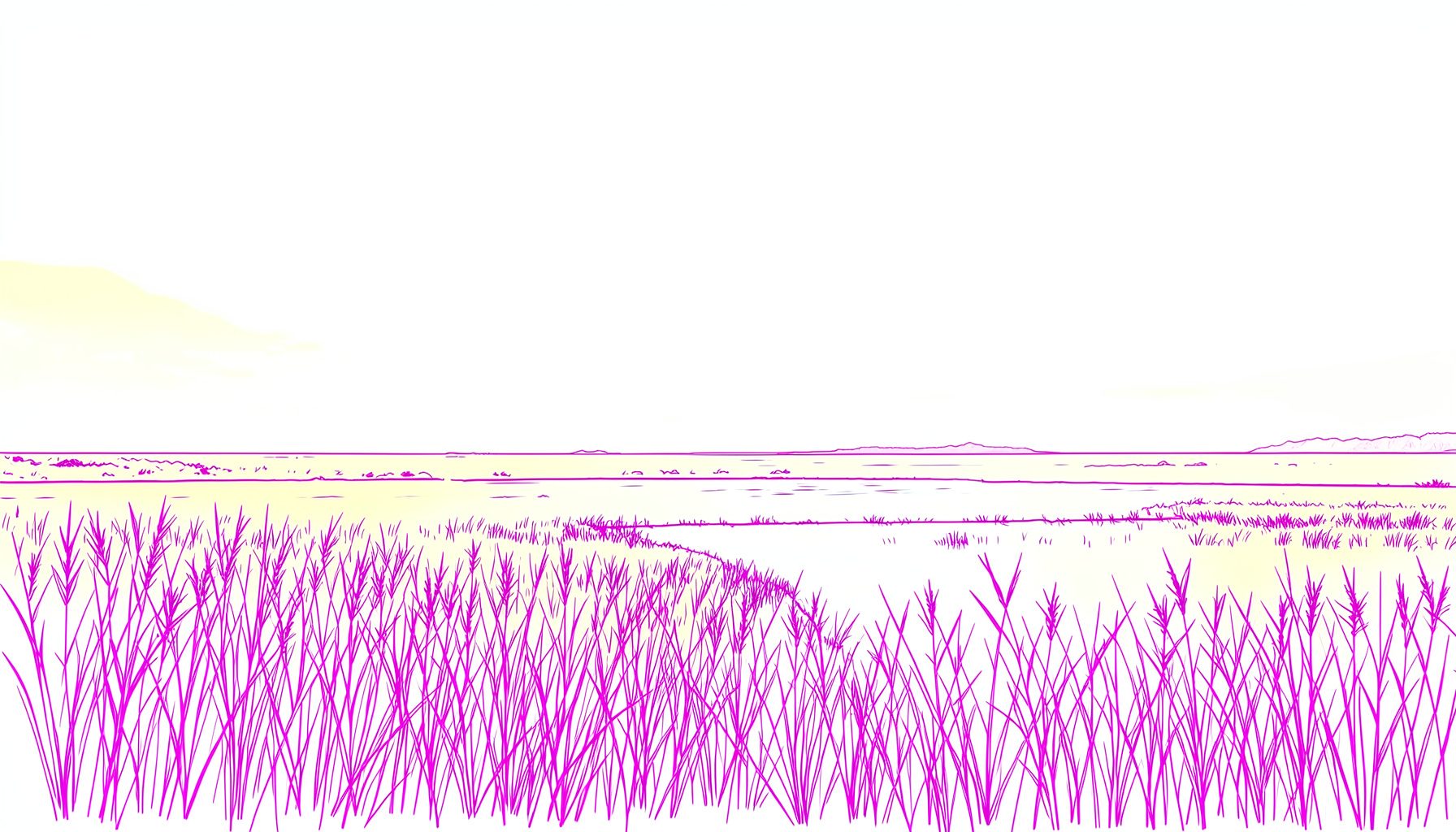
Few prairie wildlife spectacles can match the sound of Sandhill Cranes moving across Saskatchewan. Their rolling calls travel over stubble fields, wetlands and shallow lakes, often before the birds appear as dark, shifting lines against the sky.
For birders travelling from Australia, the timing can feel pleasantly familiar and seasonally confusing. Saskatchewan’s peak autumn migration falls during September and October, when much of Australia is enjoying spring. A trip planned around Australian school holidays may therefore deliver cool mornings, early frosts and the first signs of winter rather than warm weather.
These cranes use the province as a vital stopover between breeding grounds farther north and wintering areas in the southern United States. They pause to feed, rest and gather in enormous flocks before continuing south, giving visitors repeated opportunities to watch migration unfold over several days.
The experience is especially rewarding for anyone accustomed to wetland birds around Brisbane, Melbourne or the Murray–Darling Basin. Saskatchewan offers a different scale: long horizons, big skies and hundreds or thousands of cranes concentrated around small areas of suitable habitat.
Following The Prairie Flyway
Sandhill Cranes arrive in Saskatchewan in waves rather than as one continuous procession. Some groups may appear early, while others wait for favourable winds or stronger food supplies. The largest concentrations are generally associated with wetlands, shallow lakes and agricultural fields where waste grain remains after harvest.
During daylight, cranes often leave their roosts and spread into nearby fields. At dusk, they return to communal wetlands, creating one of the most dramatic scenes in prairie birding. The flock may rise in sections, circle briefly and settle again, while calling birds continue arriving from every direction.
The province sits within a broad interior migration route used by many species. A crane trip can therefore include northern harriers, American avocets, hawks, shorebirds and large numbers of waterfowl, especially around productive lake basins.
When To Visit Saskatchewan
Late September through mid-October is the most dependable period for witnessing the autumn crane movement. The exact peak varies with weather and harvest conditions, so flexible travel dates are more useful than relying on a single festival weekend or reported sighting.
Spring migration usually passes through Saskatchewan from late March into April. Snow and mud can make access difficult, but the return journey has its own appeal, with cranes moving north and the prairie beginning to awaken. Autumn is generally easier for visitors because roads are clearer and farm fields offer extensive feeding opportunities.
Travellers departing Sydney or Melbourne should prepare for a sharp change in daylight and temperature. Sunrise birding can feel wintry, even when afternoons are comfortable. A warm hat, gloves and insulated footwear are worthwhile additions to luggage, rather than relying only on the lighter layers commonly sold for Australian spring.
Where The Flocks Gather
Last Mountain Lake and the surrounding prairie are among Saskatchewan’s best-known areas for observing migrating cranes. The combination of open farmland, wetlands and protected shoreline creates a useful mix of feeding and roosting habitat. Nearby roads can provide broad views without requiring a strenuous hike.
The Quill Lakes region is another important destination, particularly when water levels and local conditions create suitable roost sites. Crane numbers can shift from one location to another, so checking recent bird reports and speaking with local naturalists can save hours of driving.
Fields near Saskatoon, Regina and smaller prairie communities may also hold impressive flocks. Public access is not guaranteed, however. A gravel road may pass close to a productive field while the land itself remains private, making roadside observation and respectful distance essential.
Reading Crane Behaviour
A crane flock on the ground often appears calm, but small details reveal what is happening. Birds with lowered heads are usually feeding, while upright birds may be scanning for danger. Sudden wing stretches, short runs and repeated calling can precede a group departure.
Watch the wind and the sun as well as the birds. Cranes often lift off into the breeze, and a low morning sun can illuminate their wings and rusty-gold plumage. Backlighting may produce beautiful silhouettes, but it can make identification and photography harder.
Their calls are useful before the birds are visible. Carrying sound across flat country, the bugling notes may lead you towards a distant flock. Pause frequently, listen between gusts and scan the horizon with binoculars rather than walking directly towards the sound.
Field Essentials For A Crane Morning
A successful outing depends more on comfort and patience than expensive equipment. The following items are particularly useful:
- Binoculars with a broad field of view
- Warm, wind-resistant layers
- Thermos, snacks and sufficient water
- Offline maps and a charged mobile phone
Australian birders can find suitable optics through specialist retailers in Adelaide, Perth or online stores, while cold-weather clothing may be easier to source after arrival. Before buying, compare prices in Australian dollars with Saskatchewan retailers and check airline baggage limits.
For planning locations, identification and trip preparation, these field resources can complement local reports and park information. A spotting scope is helpful for distant roosts, but a good pair of binoculars remains the most practical choice for a flexible road-based trip.
Birding With Care
Cranes are sensitive to disturbance, particularly at communal roosts where they need uninterrupted rest. Stay in the vehicle when birds are close to the road, use established pull-offs and avoid approaching a flock across a field. Even a slow-moving person can cause hundreds of birds to waste valuable energy.
Keep noise low and leave dogs at home or secured well away from viewing areas. Drones should not be used near wildlife, and playback is inappropriate for a spectacle involving large, migrating groups. These habits matter in Saskatchewan’s open landscape, where sound and movement carry a long distance.
Photography is most rewarding when it records behaviour rather than simply collecting close portraits. A long lens, beanbag or window mount can help from a parked vehicle. Exposure compensation may be needed when pale skies dominate the frame, while burst mode can capture take-off without encouraging closer approaches.
Planning A Memorable Crane Watch
Build each day around the birds’ rhythm. Arrive before sunrise at a known roost or viewing area, observe the morning departure, then use the middle of the day for a slower drive through nearby fields and wetlands. Return before sunset to watch the evening gathering.
Allow time for ordinary prairie pleasures as well: roadside grain elevators, small-town cafés and expansive sunsets. October conditions can change quickly, so check road reports and forecasts before leaving Regina or Saskatoon, and keep fuel topped up between rural communities.
The most reliable approach is simple: choose several potential wetlands, confirm access locally, dress for wind and cold, and give the cranes space to behave naturally. With binoculars ready before dawn, the Sandhill Crane migration becomes less a single destination than a moving, unforgettable passage across Saskatchewan.
// Latest Posts

Birding News #95 — Holiday Edition
December 2014

Tofield Snow Goose Chase
April 2016
Alberta Bird Lists →
Annual species lists from 2011 through 2018, tracking every bird spotted across the province.
Bird Conservation →
Citizen science projects, the Great Canadian Birdathon, and the WildResearch Alberta Nightjar Survey.
Birding Events →
Coverage of the Tofield Snow Goose Chase, Young Naturalists' Corner, and community gatherings.
Young Birder Resources →
Christmas Bird Count guides, CBC4Kids materials, and resources for new birders of all ages.
Explore the site
Whether you're looking for detailed Alberta species records, tips on bird identification, or news from the birding community, there's something here for every prairie bird enthusiast.
The Alberta Birds section archives year-by-year species counts — from 131 species in 2011 to a high of 175 in 2015. The Conservation category covers volunteer surveys and citizen science opportunities. Events highlights community involvement, and the Resources section is built especially for young birders getting started.
Check out the Birding News series for curated links and stories, or browse book reviews covering field guides and prairie birding literature from publishers like Greystone Books.