Stay in the loop
Occasional updates on prairie birding, new posts, and community happenings.
No spam, ever. Unsubscribe anytime.
Field Guide to Savanna and Vesper Sparrow Identification
These two streaky, brownish sparrows test the eyes of even seasoned birders across the Canadian prairies, and they can stump anyone used to watching the Australasian Pipit or the Rufous Songlark back home. The Savanna Sparrow and the Vesper Sparrow share a similar palette of warm browns, buffy underparts, and crisp streaking, yet they sit in different genera and show several field marks that, once learned, separate them quickly.
For birders in Australia planning a trip to North America, or anyone who keeps an eye on global vagrancy reports, sorting out these two species is a useful skill. Savanna Sparrows have been reported as rare vagrants to the Australasian region, and the details of their identification matter when you are filling out a rarity form for BirdLife Australia. Vesper Sparrows are even less likely to wander south, but understanding both keeps your eye sharp for the unexpected.
I have spent long mornings on the farm watching both species forage along fence lines and weed patches, and the differences become intuitive with practice. The trick is to slow down and check each bird systematically rather than jumping to a snap identification based on colour or size alone.
Whether you are a casual lister, a competitive twitcher from Broome to Cairns, or someone who simply enjoys the quiet challenge of working through a mixed flock of sparrows, these identification tips will help. The birds are common across suitable habitat, so patience and a decent pair of binos will get you there.
Size, Shape, and Posture
The Savanna Sparrow tends to be a touch smaller and more compact than the Vesper Sparrow, with a shorter tail and a rounder head. Vesper Sparrows often look slightly larger, with a longer tail, a more upright stance, and a flatter-headed profile that gives them a somewhat elongated silhouette. In open fields, the Vesper can recall a small thrush in the way it holds its body, while the Savanna suggests a chunkier, more typical sparrow shape.
Posture offers a useful clue when other marks are hard to see. Vesper Sparrows frequently stand tall on a fence wire or a low shrub, holding the body slightly angled and the tail rather long. Savanna Sparrows are more likely to hug the ground, creeping through grass and weeds with the tail held low. Birders familiar with the Australasian Pipit back home will recognise the Vesper's open-country, upright carriage as broadly similar, though the Vesper is shorter-legged and more compact.
Head Markings and Face Pattern
The face pattern is one of the most reliable ways to tell these birds apart. Savanna Sparrows show a face marked with a distinct yellow or whitish supercilium, often brightest in front of the eye, along with a dark malar stripe bordering a pale buffy throat. Their crown is streaky, and the ear coverts usually show a dark border that gives the face a framed look.
Vesper Sparrows wear a different facial expression. They have a bold white eye-ring that stands out clearly, and the face shows a brown ear patch framed by a pale, complete eye-ring. The throat is white, and the malar area is less prominently striped than on the Savanna. In good light, the Vesper's face looks more open and gentle, while the Savanna's looks busier and more patterned.
Breast, Flanks, and Underparts
Underneath, both species are streaky, but the pattern differs. Savanna Sparrows usually show fine, crisp streaking concentrated across the breast, often with a central dark spot or smudgy cluster in the middle of the chest. The streaking can continue down the flanks but is usually finer and less bold.
Vesper Sparrows show thinner, paler streaking across the breast, and the flanks are usually cleaner and more buffy. They often lack a strong central breast spot, though some individuals can show a faint cluster of streaks. The overall underpart impression of a Vesper is paler and less heavily marked than that of a typical Savanna.
Wings and Tail
Wing detail is another strong separator. In flight, or when the bird flicks its tail, the Vesper Sparrow shows distinctive white outer tail feathers that flash conspicuously, a feature the Savanna Sparrow lacks. Vesper Sparrows also show a small chestnut shoulder patch on the greater coverts that is visible at close range, and the wing often shows a faint white wing bar formed by pale tips to the coverts.
The Savanna Sparrow's tail is shorter and lacks the bold white outer edges, so the tail looks more uniform brown in flight. Its wings, when folded, often show a yellowish or buffy wash at the bend of the wing, but no chestnut shoulder patch. These wing and tail differences are easiest to see when the bird takes off or when you can study it in good light against a pale sky.
Habitat and Behaviour
Habitat use overlaps more than many people realise. Both species favour open country, including grasslands, agricultural fields, and brushy pastures, and they can occur in the same weedy field in the Canadian prairies. That said, Savanna Sparrows tend to stick closer to dense grass and wet meadows, while Vesper Sparrows prefer drier upland sites, sage flats, and recently disturbed ground.
Behaviourally, Savanna Sparrows are often furtive and mouse-like, skulking through the grass and flushing only at close range. Vesper Sparrows are more open and confiding, frequently singing from exposed perches and walking along the ground with a slow, deliberate gait. The Vesper is also given to hovering briefly before dropping back into cover, a habit worth noting when you are watching a mixed flock.
Voice and Song
The song is diagnostic if you hear it. The Savanna Sparrow delivers a buzzy, insect-like trill preceded by two or three clear chips, often described as a lazy, lisping "tsip-tsip-tsip-bzzzz." The Vesper Sparrow, by contrast, sings a clear, musical, varied series of notes that begins with two clear introductory whistles and then descends into a jumble of trills and chirps, evoking the song of a Song Sparrow but cleaner and more open.
Calls differ too. The Savanna gives a sharp, high "tsit" when flushed, while the Vesper often adds a softer, slightly nasal note. Learning both songs takes time, but it pays off across the prairies, where sparrows are a regular part of the dawn chorus.
Where They Overlap and Vagrancy
Both species breed across much of western and central Canada, with Vesper Sparrows favouring drier southern grasslands and Savanna Sparrows ranging farther north into the boreal fringe and across the continent. Overlap is extensive in the prairies, and mixed flocks of sparrows in late summer can contain both species alongside Clay-coloured and Chipping Sparrows.
For Australian birders, the practical value of this identification skill usually comes during travel to North America, or when scanning reports of North American vagrants in the Australasian region. Rare Savanna Sparrows have been noted on Pacific islands, and any sparrow seen well away from the Americas deserves close scrutiny. Keeping notes on facial pattern, tail flash, and breast streaking will help you document a potential vagrant properly, and resources like field observation notes offer good background on documenting unusual sightings for committees and rare bird alerts.
Remember these key points when the sparrows are working through the grass in front of you: check the face for a yellow supercilium on the Savanna or a bold white eye-ring on the Vesper, watch for white outer tail feathers in flight, and listen for the buzzy trill versus the clear, whistled opening. With those tools, the two species fall into place, and what looked like one confusing brown bird becomes two distinct, identifiable species.
// Latest Posts
Birding News #95 — Holiday Edition
December 2014
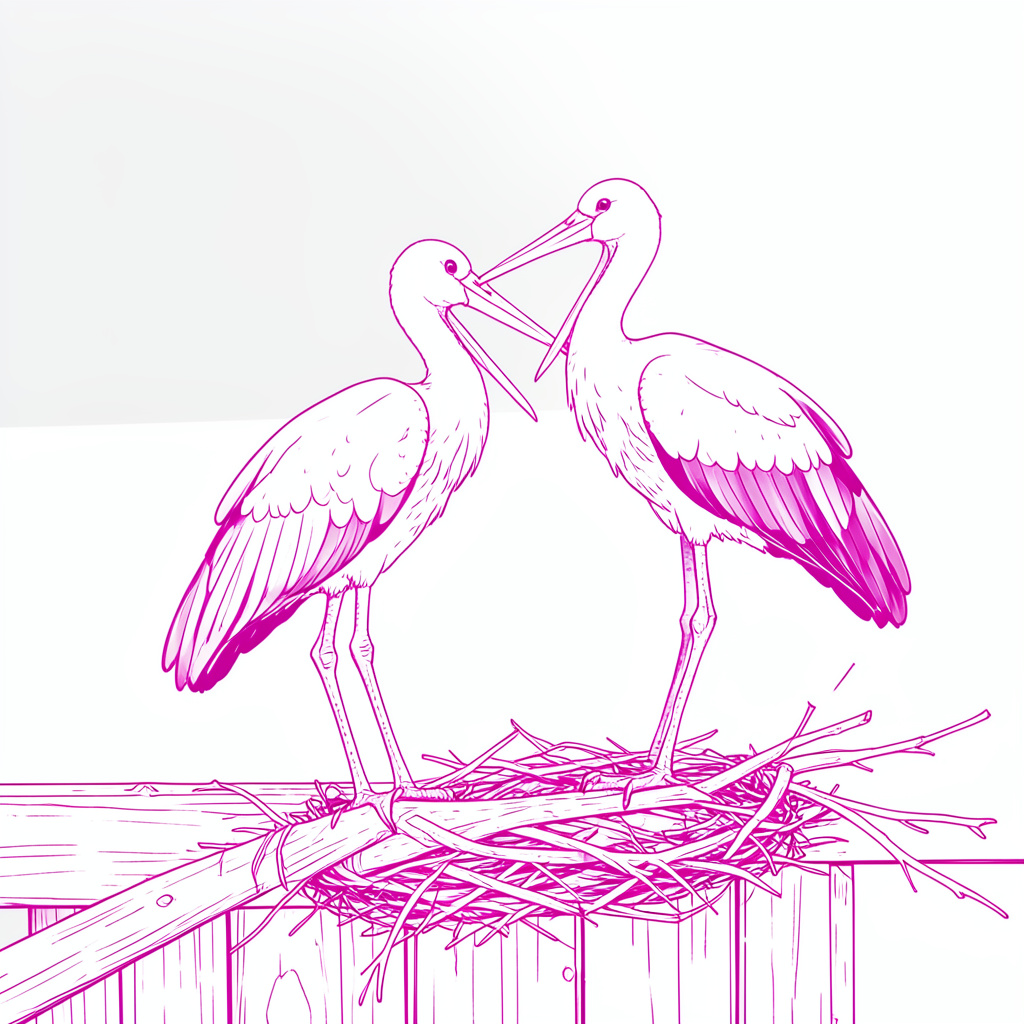
Tofield Snow Goose Chase
April 2016
Alberta Bird Lists →
Annual species lists from 2011 through 2018, tracking every bird spotted across the province.
Bird Conservation →
Citizen science projects, the Great Canadian Birdathon, and the WildResearch Alberta Nightjar Survey.
Birding Events →
Coverage of the Tofield Snow Goose Chase, Young Naturalists' Corner, and community gatherings.
Young Birder Resources →
Christmas Bird Count guides, CBC4Kids materials, and resources for new birders of all ages.
Explore the site
Whether you're looking for detailed Alberta species records, tips on bird identification, or news from the birding community, there's something here for every prairie bird enthusiast.
The Alberta Birds section archives year-by-year species counts — from 131 species in 2011 to a high of 175 in 2015. The Conservation category covers volunteer surveys and citizen science opportunities. Events highlights community involvement, and the Resources section is built especially for young birders getting started.
Check out the Birding News series for curated links and stories, or browse book reviews covering field guides and prairie birding literature from publishers like Greystone Books.