Stay in the loop
Occasional updates on prairie birding, new posts, and community happenings.
No spam, ever. Unsubscribe anytime.
The Northern Shrike: a songbird’s nightmare
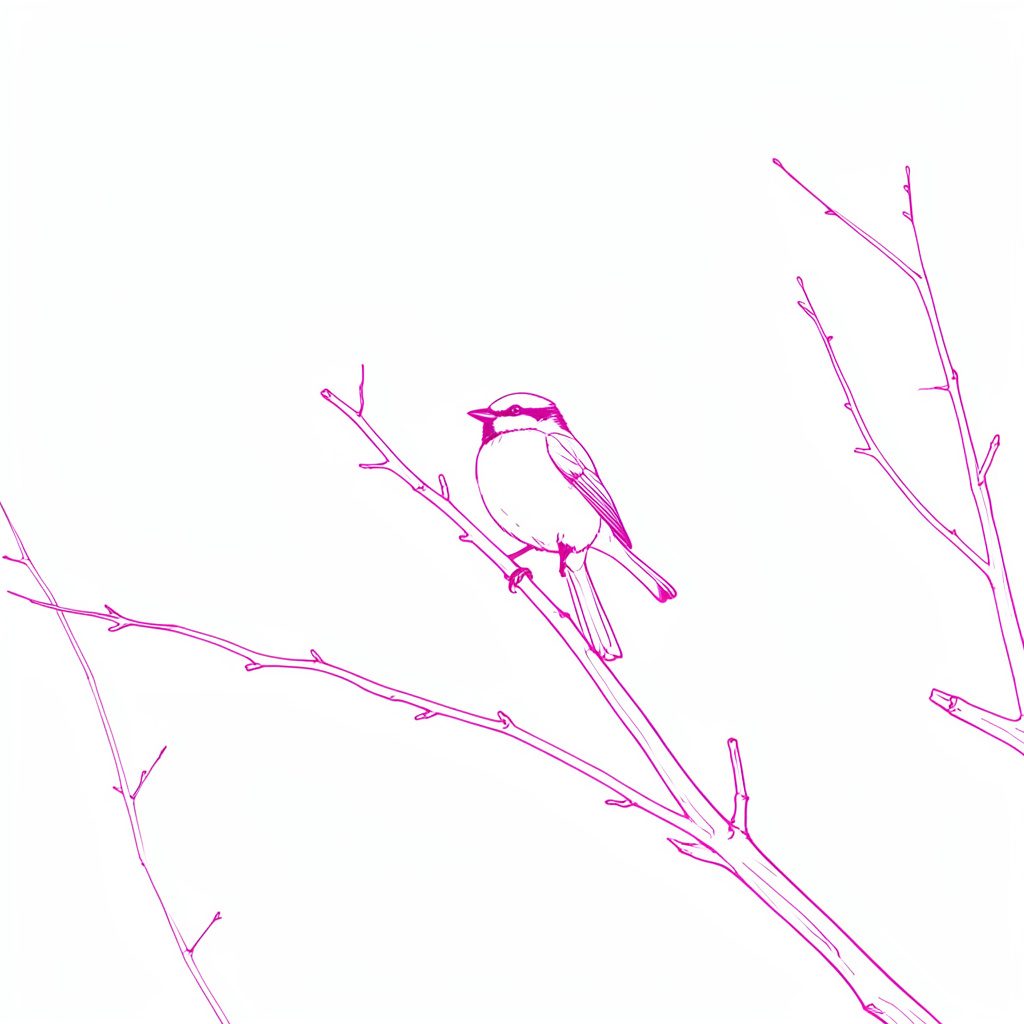
A black-masked shape on a bare branch can transform an ordinary prairie drive. The Northern Shrike watches from above, then drops onto a mouse, insect or small bird with surprising speed. Its gentle-looking songbird body conceals the instincts of a skilled predator.
This shrike belongs to the same broad group as owls, hawks and falcons, although it is considerably smaller. It breeds across northern Canada and Alaska, then moves south for winter, using shelterbelts, farmsteads and open woodland edges. Its appearance during cold months can place it among familiar winter birds.
The species is not an expected visitor in Australia, making an authentic record a major rarity rather than a routine park observation. Yet studying the Northern Shrike offers useful lessons about identification, seasonal movement and the behaviour of predatory passerines.
A songbird built for predation
The Northern Shrike is a true songbird, classified in the shrike family Laniidae. Its dark hooked bill, strong feet and upright posture give it a more raptor-like outline than the soft warblers and sparrows that share its habitat. It often sits motionless before making a short, controlled attack.
Its traditional nickname, the butcher bird, comes from a harsh hunting method. Shrikes may impale prey on thorns, barbed wire or sharp twigs, creating a temporary food cache. Large catches are sometimes carried or stored for later, while insects, rodents, lizards and small birds all form part of the diet. These habits make the bird appear fearsome, but they also regulate prey populations and fit naturally into the food web.
Prairie edges and northern country
Northern Shrikes favour open ground with scattered trees, low shrubs and clear sightlines. During migration, they may turn up in parkland, agricultural districts and even suburban edges, although a genuine Northern Shrike should be identified carefully rather than assigned to the familiar Loggerhead Shrike without supporting evidence.
Alberta offers suitable searching ground around Grasslands National Park, Writing-on-Stone and the open country near Cypress Hills. In Saskatchewan, the Qu’Appelle Valley and wooded parkland around Duck Mountain provide a mixture of habitat types. Manitoba’s southwestern grasslands and the Interlake region can also be productive during migration and winter. None guarantees a sighting, and current reports from local birders are more valuable than an old printed hotspot.
Prairie birding requires restraint. Remain on public land or ask before entering pasture, keep gates as found and avoid following a shrike across private property. Park where you will not obstruct farm machinery, and give winter birds room to react if an approaching vehicle causes them to move.
Field marks that support an identification
A Northern Shrike is roughly the size of a robin, with an ash-grey back, pale underparts and a bold black mask extending through the eyes. White patches show in the wings, while the long black tail has contrasting pale edges. The bill appears disproportionately strong because of its hooked tip.
Plumage changes with age and sex, so a single diagnostic mark is rarely enough. Some adults show faint barring on the breast, while juveniles are browner and more densely vermiculated. Identification from Loggerhead Shrike can be subtle, particularly in areas where their ranges overlap. Location, date, plumage, measurements, photographs and vocalisations may all need to be considered.
Behaviour often provides the first clue. Rather than continuously hopping through cover, the bird chooses an exposed perch, scans the ground and makes a quick pounce. Its calls are generally harsh and rasping rather than musical. Recording a clear vocalisation can therefore be as useful as obtaining a sharp photograph.
Lessons from Australian birding
Australian birders already encounter several misleadingly named birds. The common Shriketit of Sydney and Melbourne woodland belongs to the Australian sitella family, not the true shrike family. The Australian Butcherbird is a predatory songbird, but it too is unrelated to Northern Shrike. Comparing these local species can sharpen attention to bill shape, hunting posture and habitat use.
Northern Shrikes should not appear on an ordinary Australian birding day list. A convincing photograph outside the accepted range deserves careful review through BirdLife Australia, the Australian eBird project and the relevant state records process. Historical photographs may also require reassessment after taxonomic changes separate Northern and Loggerhead Shrikes.
Equipment is readily available from Australian outdoor retailers such as Kathmandu and Anaconda, while secondhand bookshops can be useful for older North American field guides. For Australian travellers, the best Canadian winter period falls during Australia’s summer. Long-distance searches are manageable, but driving on the left, sharing roads with farm vehicles and watching for wildlife at dawn and dusk need planning.
A practical search strategy
Start with habitat rather than a target image. Open country, isolated trees and shelterbelts provide the combination of hunting ground and perches that shrikes favour. Scan fence lines, utility poles and thorny shrubs, then inspect the ground below exposed perches before moving closer.
Canadian winter coincides with the Australian summer holiday period, making December through February practical for many travellers. Binoculars, a spotting scope, winter clothing and a charged camera are usually enough; bait or playback should not be necessary. Because prairie roads can be icy and busy, check forecasts and remain alert for machinery and wildlife.
A focused search follows a few reliable steps.
- Check current eBird records, recent observations and guidance from provincial experts before travelling.
- Search open prairie edges, shelterbelts and scattered parkland trees during migration or winter.
- Begin with binoculars and a spotting scope to avoid disturbing birds perched near fences or livestock.
- Preserve photographs, notes and recordings for careful identification, especially where Loggerhead Shrike is also possible.
- Stay on public land, avoid nesting areas and never chase a bird across private property.
The Northern Shrike is most easily understood as an efficient winter predator rather than a genuinely cruel character. Its combination of songbird anatomy, raptor-like hunting and seasonal movement makes it one of the most memorable birds on the northern prairie.
The practical takeaway is simple: search open prairie edges, watch exposed fence lines and allow the bird’s structure, behaviour and documented range to guide the identification.
// Latest Posts
Birding News #95 — Holiday Edition
December 2014
Tofield Snow Goose Chase
April 2016
Alberta Bird Lists →
Annual species lists from 2011 through 2018, tracking every bird spotted across the province.
Bird Conservation →
Citizen science projects, the Great Canadian Birdathon, and the WildResearch Alberta Nightjar Survey.
Birding Events →
Coverage of the Tofield Snow Goose Chase, Young Naturalists' Corner, and community gatherings.
Young Birder Resources →
Christmas Bird Count guides, CBC4Kids materials, and resources for new birders of all ages.
Explore the site
Whether you're looking for detailed Alberta species records, tips on bird identification, or news from the birding community, there's something here for every prairie bird enthusiast.
The Alberta Birds section archives year-by-year species counts — from 131 species in 2011 to a high of 175 in 2015. The Conservation category covers volunteer surveys and citizen science opportunities. Events highlights community involvement, and the Resources section is built especially for young birders getting started.
Check out the Birding News series for curated links and stories, or browse book reviews covering field guides and prairie birding literature from publishers like Greystone Books.