Stay in the loop
Occasional updates on prairie birding, new posts, and community happenings.
No spam, ever. Unsubscribe anytime.
Steady glassing: how to hand-hold your binoculars for sharp views
The difference between a hazy smudge and a feather-by-feather read of a distant bird often comes down to what your hands are doing. A pair of decent field glasses should turn distant specks into identifiable creatures, yet most birders accept a wobble they don't have to. A few small changes to grip, posture, and breathing can turn shaky views into steady ones, even without leaning on a fence post.
Anyone who has scanned the casuarinas on Eighty Mile Beach for tattlers, or crept through Toolangi's fern gullies looking for owl-wedges, knows that tripods and window mounts rarely come along. Hand-held technique is the default on a hot arvo in the Aussie bush, where you might lift your bins two hundred times before lunch. The good news is that the muscles used for steady holding are trainable, and the small fixes feel natural once they settle into your routine.
The relaxed grip that calms the tremor
Tension feeds shake. Wrap your fingers too tightly around the barrels and you will mirror every twitch from your forearms straight into the optic. A loose cradle of the fingers, with thumbs tucked under the bridge to take a little weight, lets the prism housing float gently between your palms. Many birders find that switching from a full-fist squeeze to a relaxed cup markedly softens the view within a minute.
Practice by lifting your bins to a distant ridgeline and simply noticing how your hands breathe. Let the barrels rest on the pads of your fingers rather than the heels. The more you reduce grip force, the more your nervous system stops bracing, and that micro-relaxation is what sharpens the image far more than any spec sheet ever will.
Use your body as a tripod
Your frame is built to stabilise itself when you let it. Standing square to the subject, feet shoulder-width, knees slightly soft, you give the binoculars a platform that doesn't rock. A clean upright stance removes sway from the lower back, which is where most unsteadiness actually starts.
When the bird is low, drop to one knee. A kneeling posture locks the hip and gives your elbows a chance to rest against your ribs, which is one of the most effective field tricks there is. Veteran birders chasing the glossy black-cockatoo through mallee often kneel before they even raise the glass, and their viewing silhouettes look almost rehearsed.
Anything solid makes a free tripod
Wherever you can, lean. A car door, a top-wire fence by a farm dam, the bark of a mature gum, the side of your beanbag pillow — any solid surface will swallow tremor from your wrists. Pressing the objective lenses, or even the rubber armour, against something firm dampens the high-frequency jitter that ruins fine detail.
Handrails along a coastal boardwalk at Bruny Island, gate latches in a western Queensland cattle paddock, even your own thigh when seated on the tailgate of the ute: each is a free stabilisation point. The reflex is worth training until it becomes second nature.
Breath and pulse
Soft, slow breathing changes the rhythm of the small muscles in your hands. Exhale gently when you bring the bins to your eyes and let the last of the breath trail off as you settle on the bird. Holding your breath entirely for too long makes you tremble more, not less. A short, quiet pause at the end of an exhale is the steadier option.
Your pulse also creeps through to the optic, particularly when your heart is running hard after a brisk walk. Stop a moment, drop the shoulders, and let the rate settle. Five slow breaths is usually enough to see the image sharpen.
Magnification and weight matter
Binoculars with 10x power magnify shake just as they magnify the bird. For long sessions on foot, especially along muddy margins where shorebirds are spread out, an 8x42 or 8x32 is often a friendlier companion than a heavier 10x. Lower power gives a slightly wider exit pupil too, which feeds more light into your eye and tends to feel subjectively steadier.
Weight sits alongside magnification in the comfort equation. Compact glass you can support with your fingertips outperforms a heavy full-size pair when you are walking for hours, even if the bigger pair technically pulls in more light. Choose the size that lets your hands stay soft.
Drills you can run from the backyard
Pick a chimney, an antenna, or a tiny limb across the street and try to hold it dead-still in the centre of your field of view. Count to thirty without drifting. Repeat the drill while kneeling, while leaning on a fence, and while holding a half-squat, and you will start to feel which posture suits you.
Layer the drills with birding itself. Spend a quiet morning at a local patch, perhaps the woodlands outside Canberra or the wetlands near Perth, and alternate between scanning loose flocks of cockatoos and applying the breathing and bracing routines. With repetition, the technique drops into your muscle memory and you stop thinking about your hands, which is the moment hand-held views begin to feel as calm as a window-mounted scope.
A final, practical note to take into the field: slow your grip before you slow your breathing, and slow your breathing before you slow your search. That sequence — hands, lungs, eyes — gives almost any birder a cleaner view from the shoulder up, and it costs nothing but a small shift in habit.
// Latest Posts
Birding News #95 — Holiday Edition
December 2014
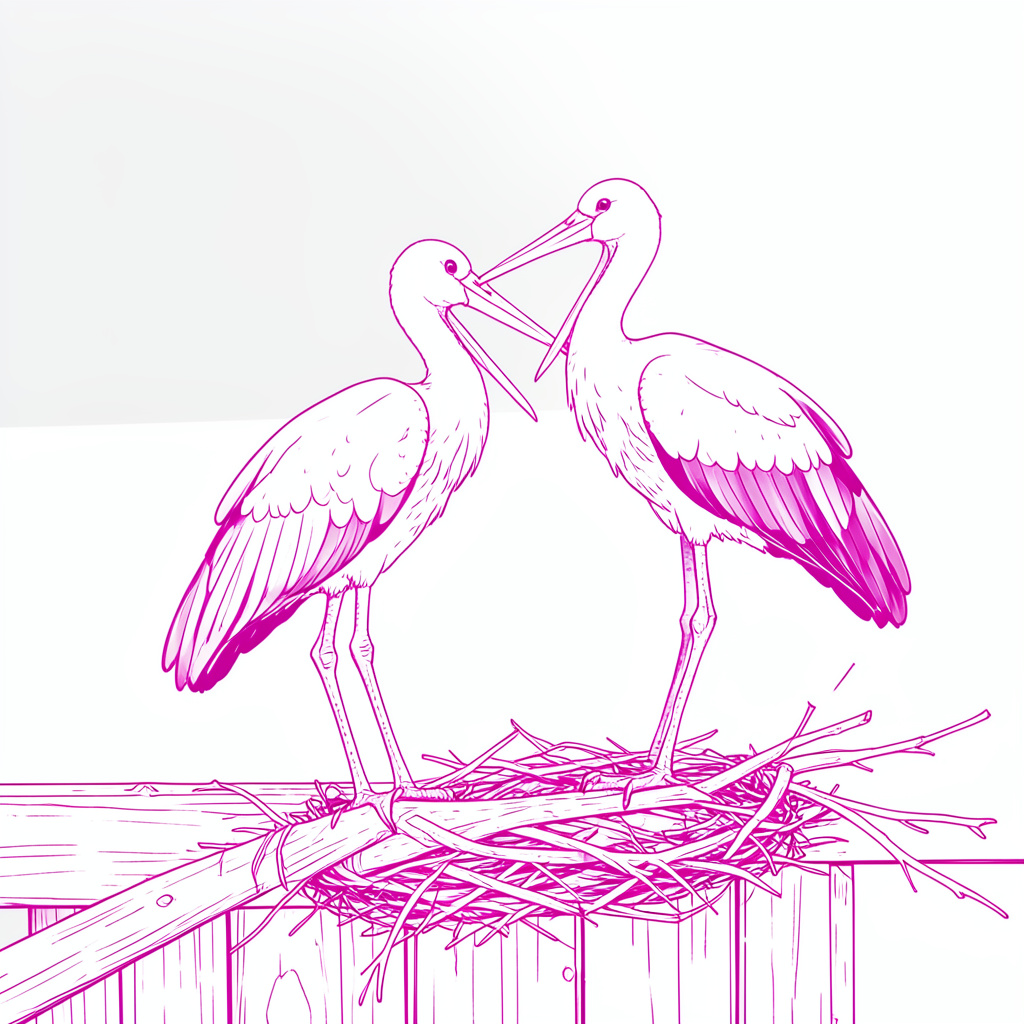
Tofield Snow Goose Chase
April 2016
Alberta Bird Lists →
Annual species lists from 2011 through 2018, tracking every bird spotted across the province.
Bird Conservation →
Citizen science projects, the Great Canadian Birdathon, and the WildResearch Alberta Nightjar Survey.
Birding Events →
Coverage of the Tofield Snow Goose Chase, Young Naturalists' Corner, and community gatherings.
Young Birder Resources →
Christmas Bird Count guides, CBC4Kids materials, and resources for new birders of all ages.
Explore the site
Whether you're looking for detailed Alberta species records, tips on bird identification, or news from the birding community, there's something here for every prairie bird enthusiast.
The Alberta Birds section archives year-by-year species counts — from 131 species in 2011 to a high of 175 in 2015. The Conservation category covers volunteer surveys and citizen science opportunities. Events highlights community involvement, and the Resources section is built especially for young birders getting started.
Check out the Birding News series for curated links and stories, or browse book reviews covering field guides and prairie birding literature from publishers like Greystone Books.