Stay in the loop
Occasional updates on prairie birding, new posts, and community happenings.
No spam, ever. Unsubscribe anytime.
My First Time Seeing a Sprague’s Pipit
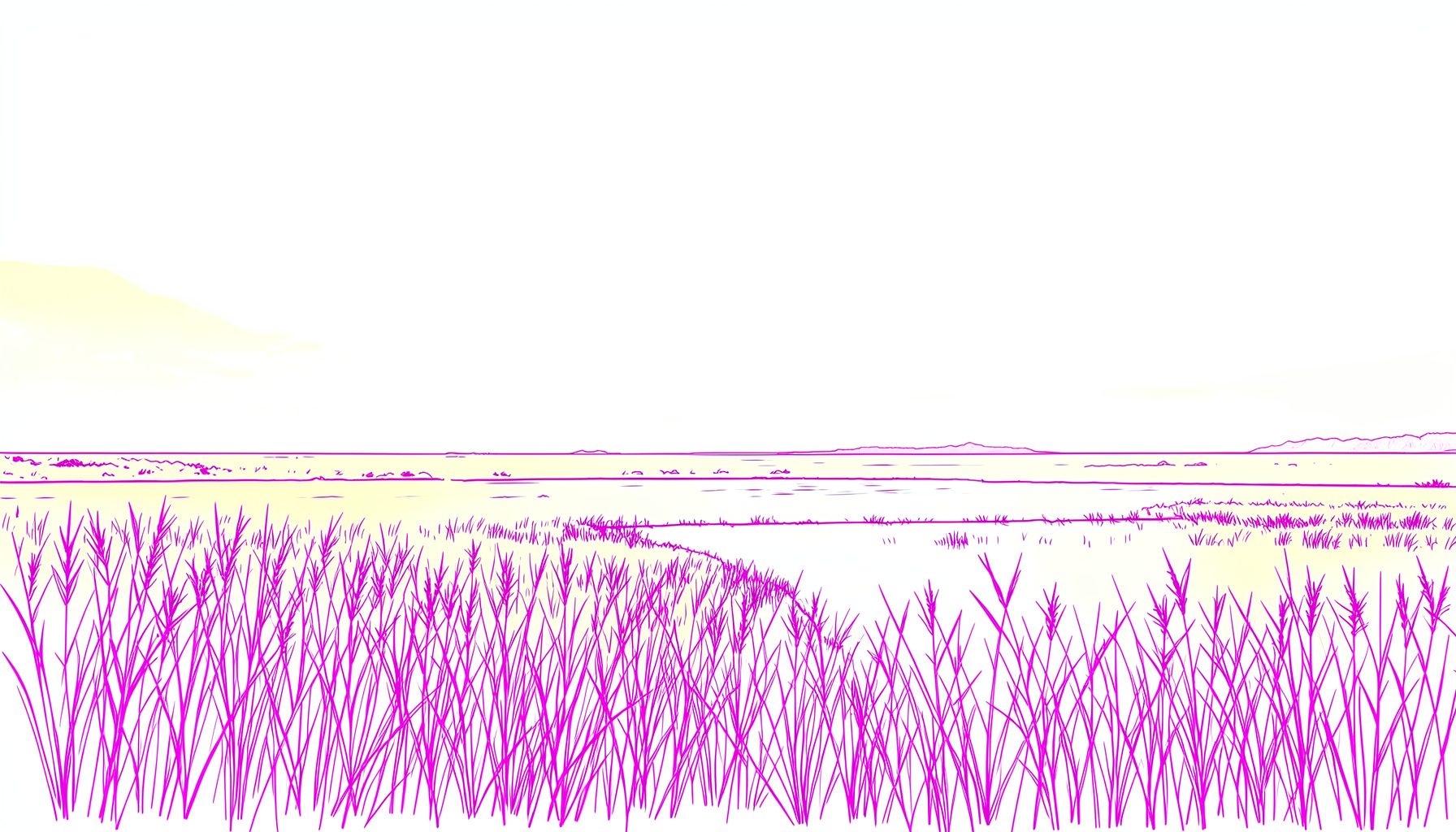
The prairie looked almost empty that morning. A low wind moved through the grass, bending the seed heads in silver-green waves, while the broad Alberta sky seemed far too large for one small bird. I had come looking for Sprague’s Pipit, a specialist of native prairie, knowing that finding one would depend more on patience than luck.
For Australian birders, the setting may feel familiar in spirit. The open grassland recalls parts of the Riverina, the Mitchell Grass Downs, or the wide spaces around western Victoria, although the species are different. Like many Australian grassland birds, Sprague’s Pipit is easiest to notice when you stop expecting the landscape to reveal everything at once.
The Prairie That Hid a Singer
I parked the ute at the edge of a rough track and walked slowly into the pasture. The ground was dry beneath my boots, with scattered clumps of native grass and no convenient line of trees to guide the eye. In that open country, every movement seemed important: a Meadowlark lifting from the grass, a distant hawk, a vole disappearing between stems.
Sprague’s Pipits breed across the northern Great Plains, including parts of Alberta, Saskatchewan, and Manitoba. They favour intact mixed-grass prairie, where grazing and seasonal moisture create a varied structure. That habitat can look plain to someone searching for colour, but it is full of quiet detail once the eye adjusts.
Waiting Through The Wind
The first clue was a thin, dry call from somewhere ahead. It was not loud, and the wind kept swallowing pieces of it. I stood still, scanned the grass, and waited for the bird to repeat itself. This was the sort of moment when a birder learns that “looking harder” is less useful than listening better.
A Sprague’s Pipit often stays on the ground, walking through vegetation with a deliberate, almost mouse-like movement. It can also launch into a remarkable song flight, climbing high before floating down while delivering a series of tinkling notes. I had heard recordings before, but the real sound had a roughness and distance that made it belong to the prairie.
A Flash Above The Grass
Then a small bird rose nearly straight up. It climbed higher than I expected, became a dark fleck against the blue, and began its descending display. Through binoculars, I caught a slim brown body, a pale underside, and a pointed bill. The view lasted only seconds, yet the behaviour made the identification feel certain.
When it landed, it vanished. I found the spot, searched every tuft, and saw nothing. That disappearing act is part of the appeal and frustration of grassland birding. Sprague’s Pipits are beautifully adapted to open country, but their streaked backs and restrained colours make them remarkably difficult to relocate.
Separating Similar Grassland Birds
Before the sighting, I had reviewed the field marks that separate this species from other North American pipits and larks. Habitat is a major part of the answer, but sound, flight style, and posture matter just as much. A lone view of a brown bird is rarely enough.
| Feature | Sprague’s Pipit | American Pipit | Horned Lark |
|---|---|---|---|
| Usual habitat | Native prairie and open grassland | Wet ground, shorelines, alpine areas, migration stopovers | Bare fields, short grass, disturbed open country |
| Flight display | High song flight with a descending performance | More direct, often in loose flocks | Shorter display flights and quick ground movement |
| General appearance | Streaked brown back and pale body | Darker, slimmer appearance with a more upright feel | Stockier, with a compact head and tiny “horns” |
| Best identification clue | Habitat combined with song and display | Habitat, flocking, and call | Face pattern, habitat, and shape |
The comparison is useful for anyone used to Australia’s own brown grassland birds. A pipit-sized bird near a Melbourne wetland may invite a quick identification, but location changes the possibilities. BirdLife Australia resources and eBird Australia records are valuable for learning which species are realistic in a particular region before heading into the field.
Why The Habitat Matters
My sighting made me think less about a single bird and more about the prairie around it. Sprague’s Pipits need large, open areas with suitable vegetation and relatively little woody cover. Fragmentation, conversion to crops, invasive plants, and altered grazing patterns can all reduce the quality of that habitat.
Australian birders will recognise the broader conservation lesson from places such as the Western Treatment Plant near Werribee or the grasslands around Canberra. Open country is often treated as vacant land, even though it supports specialised birds. Local bird clubs, landcare groups, and BirdLife Australia branches regularly show how much careful observation can reveal in habitats that first appear ordinary.
A Sighting Made For Slow Birding
I stayed for another hour, hoping the pipit would appear again. It did not. Instead, I noticed Chestnut-collared Longspurs farther across the field, a Northern Harrier moving low over the grass, and small insects lifting whenever the wind softened. The failed second look did not feel like a failure; the habitat had become legible.
That patience also shaped how I prepare for trips with my farm dog. A dog can be useful company on quiet tracks, but it needs to remain controlled around nesting birds and livestock. For people bringing a young dog on an Australian camping trip, planning food changes before departure is sensible; this guide to transitioning puppy food explains why sudden changes can create unnecessary trouble on the road.
Returning With Better Ears
My first time seeing a Sprague’s Pipit lasted only a few minutes, but it changed the way I search prairie. I now listen for the flight song before scanning the ground, study the vegetation before trusting a silhouette, and give open habitats the same attention I once reserved for woodland edges.
For Australian readers planning a North American birding holiday, the practical details are straightforward: check seasonal records, allow extra time for large distances, carry water, and expect weather to change quickly. A morning near Calgary or Saskatoon can be bright and warm, then windy enough to make a scope difficult to steady. Before the next prairie outing, I will mark a suitable native-grass site, check recent eBird reports, and spend one quiet hour listening before moving on.
// Latest Posts
Birding News #95 — Holiday Edition
December 2014
Tofield Snow Goose Chase
April 2016
Alberta Bird Lists →
Annual species lists from 2011 through 2018, tracking every bird spotted across the province.
Bird Conservation →
Citizen science projects, the Great Canadian Birdathon, and the WildResearch Alberta Nightjar Survey.
Birding Events →
Coverage of the Tofield Snow Goose Chase, Young Naturalists' Corner, and community gatherings.
Young Birder Resources →
Christmas Bird Count guides, CBC4Kids materials, and resources for new birders of all ages.
Explore the site
Whether you're looking for detailed Alberta species records, tips on bird identification, or news from the birding community, there's something here for every prairie bird enthusiast.
The Alberta Birds section archives year-by-year species counts — from 131 species in 2011 to a high of 175 in 2015. The Conservation category covers volunteer surveys and citizen science opportunities. Events highlights community involvement, and the Resources section is built especially for young birders getting started.
Check out the Birding News series for curated links and stories, or browse book reviews covering field guides and prairie birding literature from publishers like Greystone Books.