Stay in the loop
Occasional updates on prairie birding, new posts, and community happenings.
No spam, ever. Unsubscribe anytime.
The Secret Life of the Upland Sandpiper
The Upland Sandpiper is a prairie specialist with an unexpected identity. Although it belongs to the shorebird family, it rarely needs a shoreline. Its world is made of open grass, scattered fence posts, hayfields and broad skies, where its distinctive whistle carries farther than the bird itself can often be seen.
In Canada, this long-distance migrant arrives during the northern spring to breed across the Great Plains. Alberta, Saskatchewan and Manitoba hold some of its most important habitat, while the species spends the southern summer in South America. For Australian birders, its schedule feels reversed: when the Upland Sandpiper is nesting on the Canadian prairie, many familiar Australian migrants are preparing for their own movements.
Its secretive nature is part of its appeal. A bird may stand motionless among grass stems, then rise on pointed wings and circle over a pasture with a fluttering, buoyant flight. Learning its calls, habitat and small habits often matters more than simply searching for a large, obvious silhouette.
A Shorebird Far From Water
The scientific name, Bartramia longicauda, hints at its unusual proportions. It has a small head, large dark eyes, a slender bill and a notably long tail. Its legs are fairly long, but its shape is lighter and more elegant than that of many sandpipers seen on mudflats.
The species is often found kilometres from open water. Short and medium-height native prairie provide the visibility it needs, while nearby taller vegetation offers cover. In Australia, birders accustomed to scanning tidal flats around Brisbane or Port Phillip Bay may need to reset their expectations: this sandpiper is a bird of dry ground.
Listening Across The Prairie
The Upland Sandpiper is easier to detect by sound than by sight. Its clear, rolling whistle can seem to come from several directions at once, especially at dawn when wind is low and farm machinery is quiet. A calling bird may be perched on a post, hidden in grass or flying high above the field.
On a Canadian farm, the best listening period may begin before sunrise, with a warm cuppa beside the vehicle and binoculars ready. Australian visitors can apply the same habit in places such as the Western Treatment Plant near Melbourne, where patient listening often reveals birds before an approaching observer does.
Courtship Above The Grass
Spring courtship includes aerial displays, calling and conspicuous movements across the ground. A male may rise with deep wingbeats, circle above the breeding area and glide before dropping back into the grass. The performance looks effortless from a distance, yet it helps establish territory and attract a mate.
Pairs select open nesting areas where an approaching predator can be noticed. The nest is a shallow scrape lined with grass, usually placed on the ground rather than in a wet depression. That choice makes the species dependent on careful grazing and mowing practices during the breeding season.
A Nest Hidden In Plain Sight
Four eggs are common, marked with brown or olive tones that blend into the surrounding vegetation. The camouflage is remarkably effective, but it also creates a risk: a nest can be destroyed by haying, cultivation, grazing pressure or a vehicle crossing the field.
Adults rely on distraction when a nest or chick is threatened. A bird may move away quietly, call sharply or perform a broken-wing display that encourages a predator to follow it. Anyone finding an Upland Sandpiper should keep distance, avoid walking through likely nesting grass and leave the bird a clear escape route.
Insects, Weather And Survival
Beetles, grasshoppers, crickets and other invertebrates form much of the diet. The bird usually feeds by walking through vegetation and picking prey from the ground or low plants. After rain, feeding can become especially productive as insects become more active.
Prairie weather adds another layer of difficulty. Late frosts, hail and sudden storms can affect eggs and young, while drought reduces insect numbers. The Upland Sandpiper’s survival depends on a landscape with enough varied grass height to provide food, concealment and safe places for chicks to move.
A Journey Beyond The Northern Plains
After breeding, the species begins a long migration to South America. Its route may cover thousands of kilometres, with stopover sites providing fuel for the next stage. Wetlands are useful during migration, but the bird may also favour open agricultural land and lightly grazed fields.
That movement connects distant landscapes in ways that are easy to overlook. A bird watched in Saskatchewan may later be feeding in South American grasslands, just as migratory birds familiar to Sydney or Perth depend on habitats beyond Australia. Keeping notes in eBird, checking local sightings and supporting habitat protection help build a clearer picture of these journeys.
Finding One Without Disturbing It
The most reliable approach is to visit open prairie in late spring or summer, scan fence lines and isolated posts, and pause frequently for the distinctive whistle. A telescope is valuable because the species can remain far from roads or trails. On the Australian optics market, a good second-hand scope can be a practical choice for birders who are building a kit before travelling to Canada.
Ethical observation matters on working farms and reserves. Stay on public routes, close gates, avoid driving across grassland and respect temporary closures during nesting season. Pet owners can also reduce pressure on local wildlife by managing roaming animals carefully; practical advice on indoor cat activity is relevant when a household wants enrichment without adding hunting pressure around bird habitat.
The Upland Sandpiper rewards patience rather than pursuit. Its life unfolds through quiet signals: a whistle before sunrise, a sudden flight over prairie, a well-hidden nest and a migration route linking continents. When exploring Canadian grasslands, carry binoculars, listen before scanning, remain on established access and give every open patch of habitat room to breathe.
// Latest Posts
Birding News #95 — Holiday Edition
December 2014
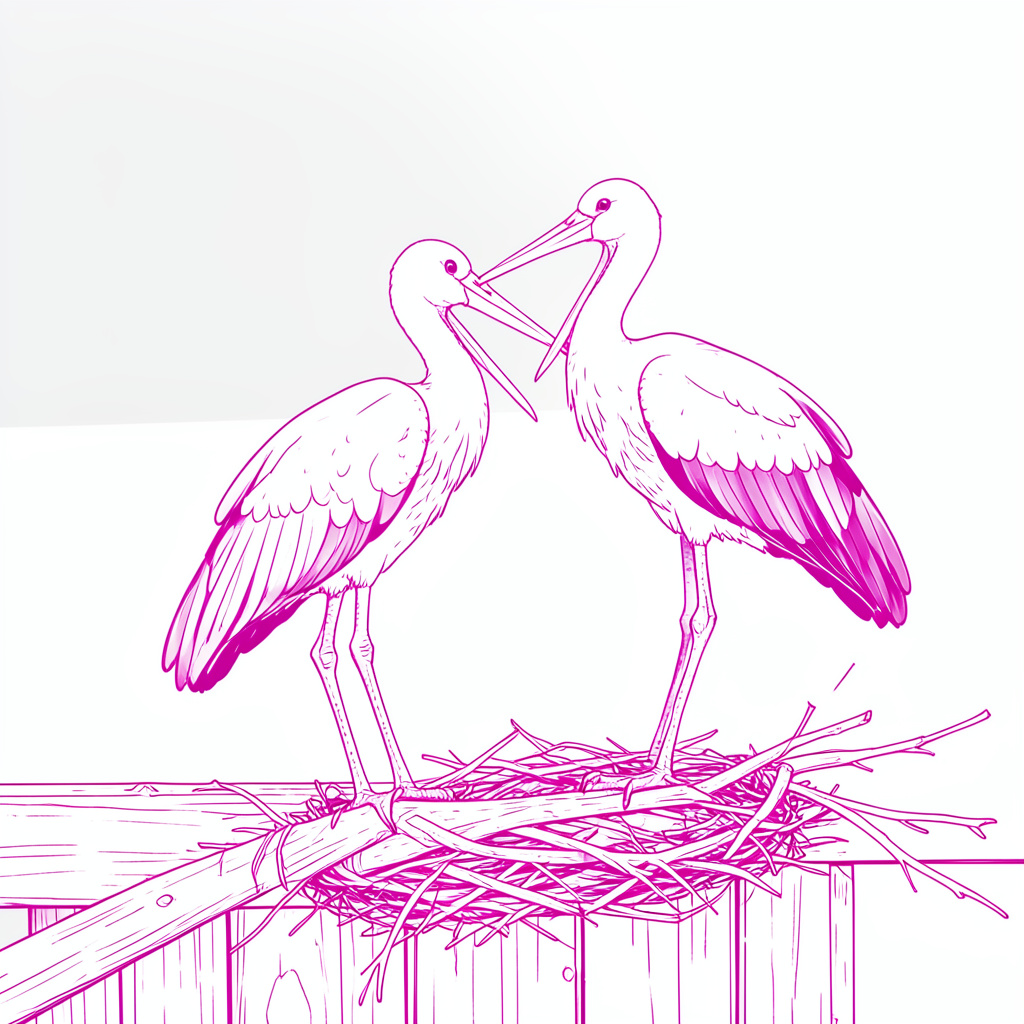
Tofield Snow Goose Chase
April 2016
Alberta Bird Lists →
Annual species lists from 2011 through 2018, tracking every bird spotted across the province.
Bird Conservation →
Citizen science projects, the Great Canadian Birdathon, and the WildResearch Alberta Nightjar Survey.
Birding Events →
Coverage of the Tofield Snow Goose Chase, Young Naturalists' Corner, and community gatherings.
Young Birder Resources →
Christmas Bird Count guides, CBC4Kids materials, and resources for new birders of all ages.
Explore the site
Whether you're looking for detailed Alberta species records, tips on bird identification, or news from the birding community, there's something here for every prairie bird enthusiast.
The Alberta Birds section archives year-by-year species counts — from 131 species in 2011 to a high of 175 in 2015. The Conservation category covers volunteer surveys and citizen science opportunities. Events highlights community involvement, and the Resources section is built especially for young birders getting started.
Check out the Birding News series for curated links and stories, or browse book reviews covering field guides and prairie birding literature from publishers like Greystone Books.