Stay in the loop
Occasional updates on prairie birding, new posts, and community happenings.
No spam, ever. Unsubscribe anytime.
A Guide to Community Pastures for Birders
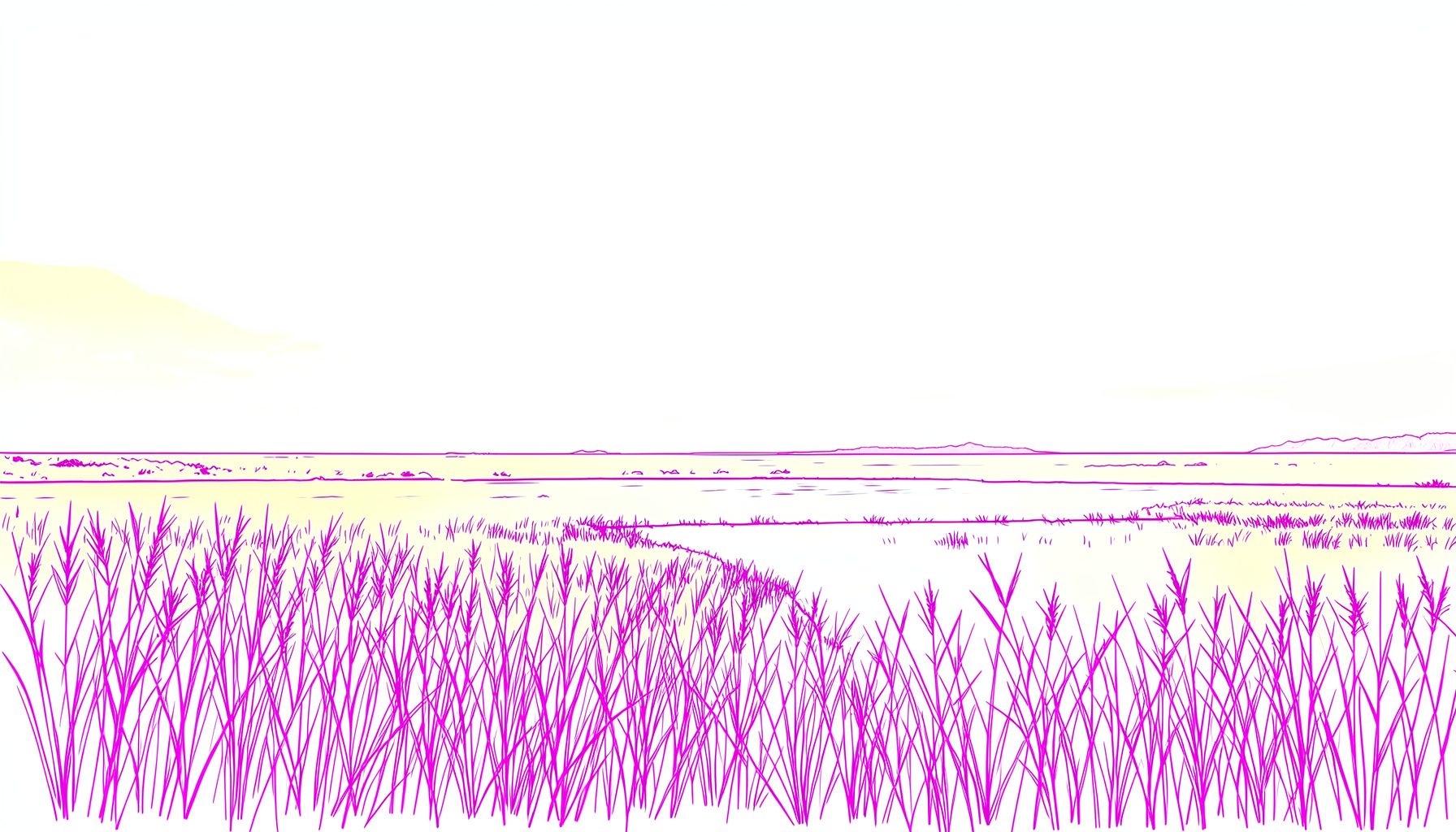
Community pastures are some of the most rewarding places to watch prairie birds in Canada. These large grazing landscapes, found especially across Alberta, Saskatchewan, and Manitoba, combine native grassland, shallow wetlands, shelterbelts, and open horizons that suit species rarely seen in city parks or heavily cultivated farmland.
For Australian birders, the idea may feel familiar but not identical. A community pasture is generally a working landscape managed for livestock, wildlife, and public use, rather than a formal reserve with a visitor centre and marked walking tracks. The best experience comes from understanding how the land operates before searching for birds.
Why Community Pastures Matter
Grazing can maintain the short, varied vegetation that many grassland birds need. Cattle prevent some areas from becoming dense with tall grass and shrubs, creating feeding and nesting opportunities for Sprague’s Pipit, Chestnut-collared Longspur, Upland Sandpiper, and Long-billed Curlew.
The wider landscape also matters. A pasture may include alkaline ponds, seasonal sloughs, hay meadows, aspen bluffs, and old farmyards. This mixture attracts shorebirds during migration, waterfowl in spring, and raptors throughout the year. A single drive can produce a much longer species list than a uniform crop field.
An Australian comparison would be a productive mix of woodland edge, open paddock, and wetland rather than a single habitat block. Places such as Victoria’s Western Treatment Plant show how working land and bird habitat can overlap, although Canadian community pastures are usually much larger and more remote.
Know the Land Before You Arrive
Start by checking the pasture’s managing organisation, access notices, and current land-use conditions. Some areas welcome birders on public roads but restrict entry through livestock gates, while others permit walking only along designated routes. A “road” may be an unsealed track that becomes impassable after rain.
Look for information from provincial agencies, rural municipalities, pasture associations, and local bird clubs. Canadian access customs can be different from those at a New South Wales national park or a Queensland conservation area: a lack of a visitor kiosk does not mean every gate or track is open to the public.
Ask locally when the situation is unclear, using the straightforward style common in rural Canada. A nearby landholder, campground host, or naturalist club may know whether cattle have recently been moved, whether a wet crossing is safe, or whether a gate should remain closed.
Finding Birds by Habitat
Begin with the wettest ground. Shallow ponds and muddy margins can hold Wilson’s Phalarope, American Avocet, Baird’s Sandpiper, Marbled Godwit, and Lesser Yellowlegs. Scan slowly with binoculars before approaching, because many shorebirds stand motionless against the mud or dry vegetation.
Next, search the short-grass areas and old hay fields. Sprague’s Pipits often rise briefly and sing from the air, while Chestnut-collared Longspurs may stay low and move quickly between grass clumps. Bobolinks favour taller vegetation, particularly where pasture blends into hay land.
Shelterbelts and aspen patches provide a different set of possibilities. Check for Yellow Warblers, Brown Thrashers, Eastern Kingbirds, and flycatchers along the edge. On fence posts and isolated trees, look for Ferruginous Hawks, Swainson’s Hawks, Northern Harriers, and Short-eared Owls.
Read the Season and the Weather
Late May and June are usually excellent for breeding birds, with long daylight hours and active song. This is also when nesting behaviour requires extra care. If a bird repeatedly alarms, circles, or appears to lead you away from one spot, increase your distance rather than trying to obtain a closer photograph.
Migration changes the character of a pasture. In April and May, meltwater attracts ducks and shorebirds, while August and September bring southbound waders, sparrows, and raptors. Cold fronts can produce sudden movements, so a quiet-looking pasture may become productive after an overnight weather change.
Wind is a major factor on the Canadian Prairies. Strong wind suppresses song and makes distant identification difficult, but sheltered hollows and tree lines can still be worthwhile. Australian birders used to checking the forecast for fire danger, heat, or wet-season storms should add wind direction and recent rainfall to their pasture planning.
Equipment and Fieldcraft
A vehicle with good clearance is useful, though an ordinary car can manage many maintained gravel roads in dry weather. Carry water, food, a charged phone, paper mapping, and a spare layer. Distances between services can be substantial, especially in Saskatchewan and southern Alberta.
A scope helps with distant shorebirds and raptors, but binoculars remain the essential tool. Neutral clothing, sturdy footwear, sunscreen, insect repellent, and a hat are practical choices. In warmer months, inspect boots and clothing for ticks, and avoid walking through tall grass in sandals.
Keep gates exactly as you find them, slow down near cattle, and never drive around a locked barrier. Cattle can be curious and horses may react suddenly to a quiet vehicle. Stay on established tracks where possible, and avoid entering areas marked for grazing operations, haying, or restoration work.
Identification and Recording
Use behaviour, habitat, shape, and voice together rather than relying on colour alone. A pale bird in strong sunlight can look unlike its field-guide image, while a distant longspur may be identified more confidently from flight style and habitat than from plumage.
A useful bird identification guide can help you compare similar prairie species before travelling. Pay close attention to confusing groups such as pipits, longspurs, fall-plumaged shorebirds, and distant hawks, and record uncertainty honestly in your notes.
For lists and sightings, eBird is widely used across Canada and has strong coverage from local clubs and travelling birders. Australian visitors who already use eBird Australia will find the workflow familiar, but remote pastures may have few previous records. Good notes about access roads, water levels, and grazing conditions can be as valuable as the species list.
A Simple Pasture Checklist
Before leaving town, check:
- Road conditions, forecast, and sunrise time
- Access notices, gates, and local restrictions
- Water, fuel, maps, and offline phone coverage
- Binoculars, scope, notebook, and suitable footwear
While birding, remember:
- Scan wet areas before walking closer
- Keep well away from nests and alarm-calling birds
- Give cattle, horses, and farm machinery plenty of room
- Record habitat, behaviour, and exact location
Turn One Visit into Better Birding
A successful pasture outing does not depend on seeing every target species. Learning where birds position themselves, how grazing has shaped the vegetation, and which wetlands hold water will make the next visit more productive. Repeated observations can reveal when a site is best for spring migration, breeding birds, or autumn movement.
For Australian birders planning a Canadian trip, community pastures offer a strong contrast with eucalypt woodland, coastal mudflats, and inland stations. They reward patience and careful scanning rather than a fast walk between marked attractions. Treat the area as both habitat and working country, and the landscape becomes easier to read.
Before your next outing, choose one Alberta, Saskatchewan, or Manitoba pasture, download its map for offline use, and mark a wetland, a shelterbelt, and a safe stopping point along the approach road.
// Latest Posts

Birding News #95 — Holiday Edition
December 2014

Tofield Snow Goose Chase
April 2016
Alberta Bird Lists →
Annual species lists from 2011 through 2018, tracking every bird spotted across the province.
Bird Conservation →
Citizen science projects, the Great Canadian Birdathon, and the WildResearch Alberta Nightjar Survey.
Birding Events →
Coverage of the Tofield Snow Goose Chase, Young Naturalists' Corner, and community gatherings.
Young Birder Resources →
Christmas Bird Count guides, CBC4Kids materials, and resources for new birders of all ages.
Explore the site
Whether you're looking for detailed Alberta species records, tips on bird identification, or news from the birding community, there's something here for every prairie bird enthusiast.
The Alberta Birds section archives year-by-year species counts — from 131 species in 2011 to a high of 175 in 2015. The Conservation category covers volunteer surveys and citizen science opportunities. Events highlights community involvement, and the Resources section is built especially for young birders getting started.
Check out the Birding News series for curated links and stories, or browse book reviews covering field guides and prairie birding literature from publishers like Greystone Books.