Sharpen Your ID Skills
Identifying birds on the prairies takes practice, patience, and the right tools. Whether you're puzzling over a distant raptor or a sparrow flitting through the brush, this section gathers practical tips, photo challenges, and gear advice to help you become a more confident birder.
Feathers on Friday
One of the most popular features on Prairie Birder, Feathers on Friday is a weekly photo quiz that puts your identification skills to the test. Each post presents a bird photograph — sometimes a close-up of plumage, sometimes a silhouette against the sky — and invites readers to name the species.
It's a fun, low-pressure way to learn field marks and connect with other birders who share their guesses and reasoning in the comments.
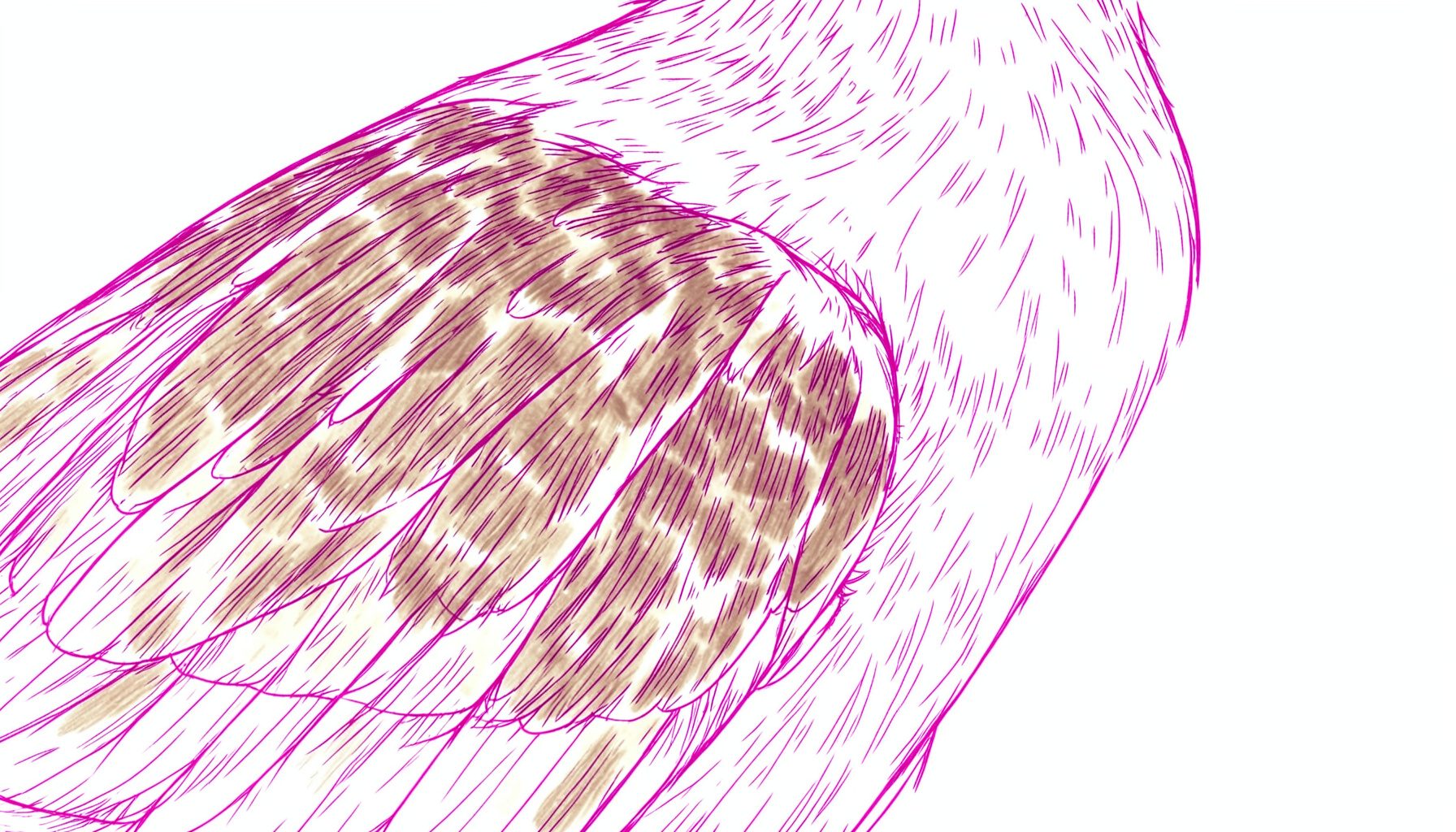
Tools & Techniques
Good identification starts with good equipment. Over the years, this blog has explored a range of tools that make a real difference in the field:
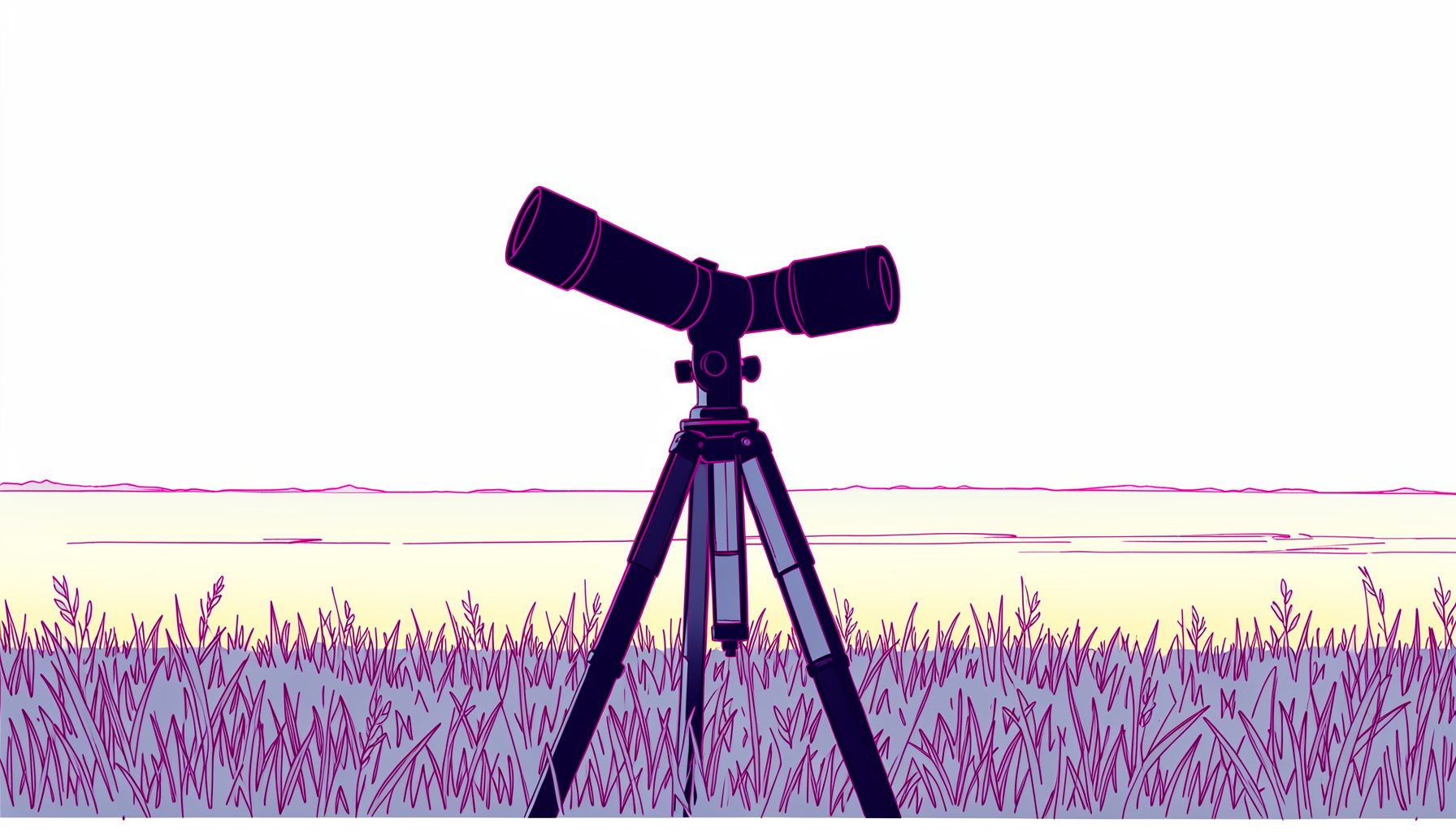
Scopes & Optics
When birds are distant — across a slough or soaring high — a quality spotting scope can be the difference between a guess and a confident ID. Discussions here cover what to look for in a scope and how to use one effectively in prairie conditions.

Digiscoping
Digiscoping — using a camera or smartphone through a scope — lets you capture identifiable images for later review. Posts here share practical tips on adapters, stability, and getting usable shots even in challenging light.
Insights from ABA Birder's Guide Magazine
"The ABA Birder's Guide Magazine has been a wonderful source of identification articles, covering everything from gull ID to warbler plumages. I've shared several insights from its pages here on the blog."
— Charlotte, Prairie BirderOn the wide-open prairies, bird identification is as much about habitat cues as it is about plumage. A distant hawk soaring over a wheat field may be identified by its wing shape and flight style rather than colour alone. Learning to read the landscape—the mix of native grasses, sloughs, and shelterbelts—gives you clues about which species are likely to appear. Patience is essential; a bird that vanishes into the brush may reappear long enough for a key field mark. With practice, you begin to recognise the subtle differences between a Savannah Sparrow and a Vesper Sparrow by their song and behaviour, not just their streaked chests.
Building a reliable set of identification tools starts with a good field guide designed for the region. Many birders keep a compact waterproof guide in their pack alongside a quality pair of binoculars. Smartphone apps with audio recordings of bird songs and calls have become indispensable for confirming sightings in real time. A simple notebook is equally valuable for jotting down impressions of a bird's size, shape, and behaviour before consulting a reference. Over time, these notes become a personal record of your learning journey, helping you spot patterns in migration timing and local rarities across the prairies.
The Feathers on Friday photo quiz has become a favourite way for birders to test their skills in a friendly, low-pressure format. Each week, a new image challenges you to identify the bird based on subtle clues in posture, habitat, and feather detail. Participants share their reasoning in the comments, sparking discussions that deepen everyone's understanding. It is not about getting the answer right on the first try; the real value lies in the process of elimination and the collective knowledge of the community. Over weeks and months, regular quizzing sharpens your eye for the fine details that separate look-alike species.
Seasonal changes on the prairies bring constant variety to the birding experience. Spring migration floods the fields with warblers, shorebirds, and waterfowl, while summer offers a chance to study breeding plumages and nesting behaviours. Autumn brings a second wave of migrants, often in more subdued feathering that tests even experienced birders. Winter, though quieter, rewards those who venture out with sightings of hardy species like Snow Buntings and Rough-legged Hawks. Each season demands a slightly different approach to identification, from listening for flight calls overhead to scanning fence lines for perched raptors. The prairies never stop teaching.
Posts in this category draw on articles and tips from the American Birding Association's Birder's Guide, applying them to the species and conditions birders encounter across Alberta and the wider prairies.
Keep Exploring
Identification goes hand in hand with good reference material. Browse the book reviews and field-guide discussions for recommendations that can help you in the field.